High Ambient Heat
Enclosed panels in hot production halls.
 TECHCooling Solutions
Application cooling
Durable cooling for machines, drives and control electronics.
Industrial environments stack heat, vibration, humidity and dust on top of the electronics themselves. We build fan packages that survive where off-the-shelf fans fail, keeping PLCs, drives, inverters and panel electronics in a safe temperature band for years.
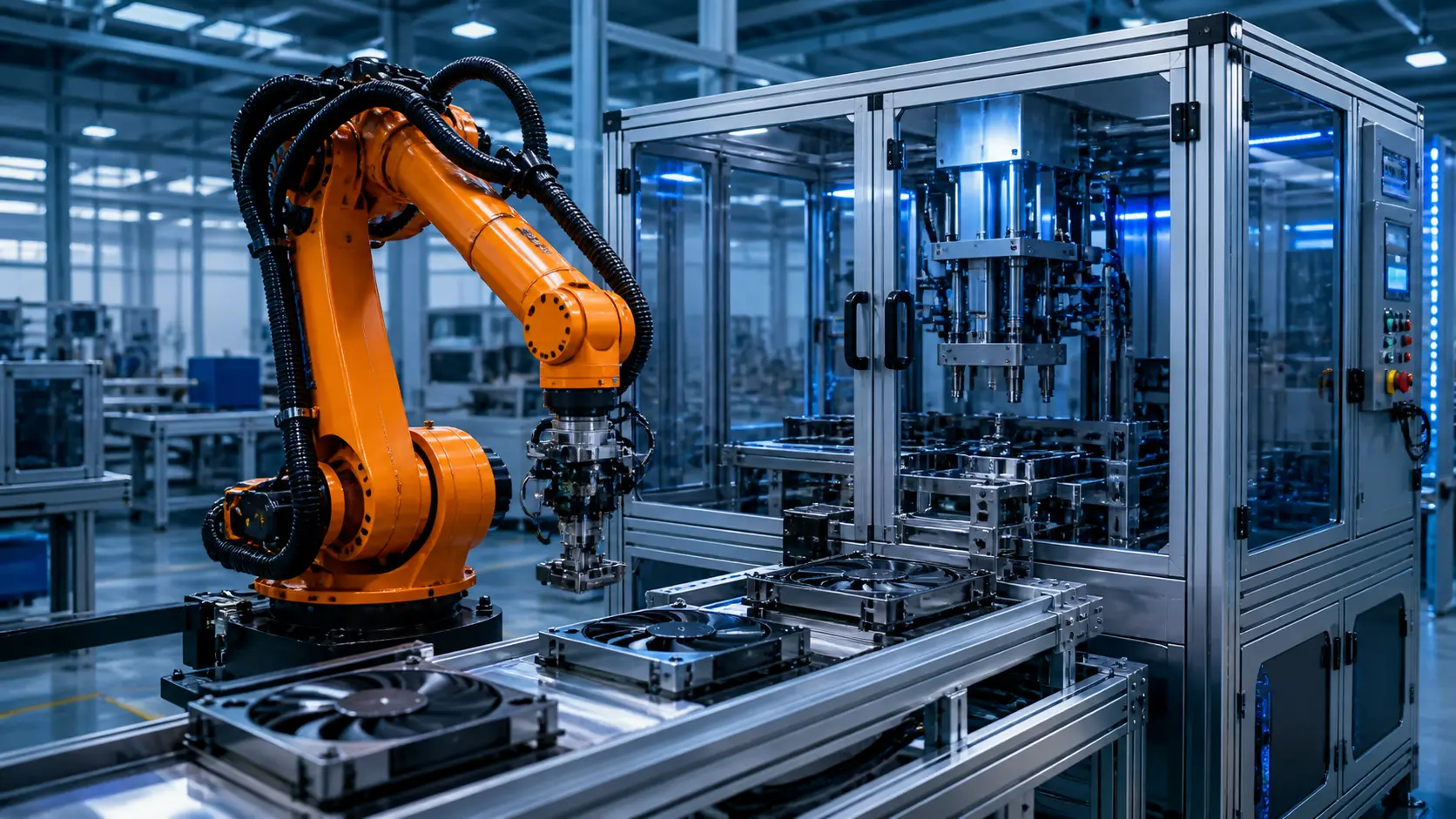
Enclosed panels in hot production halls.
Filtered, sealed airflow paths required.
Supports mounted on moving machinery.
Reliable across 12–48 V DC rails.
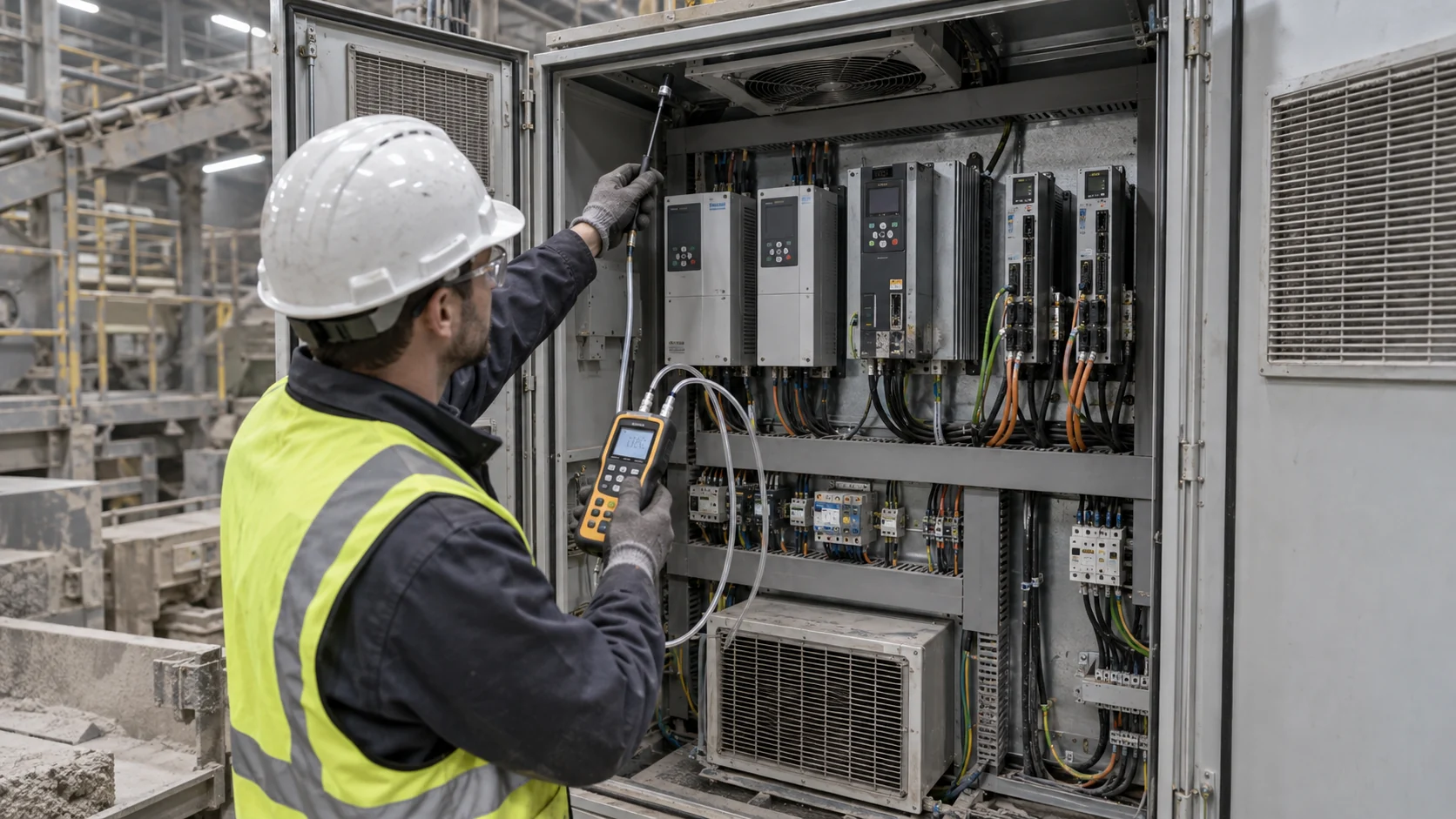
A practical guide to cooling VFD and servo-drive cabinets when heat loss, cabinet height, filter loading, airflow bypass and maintenance conditions interact.
Read Article →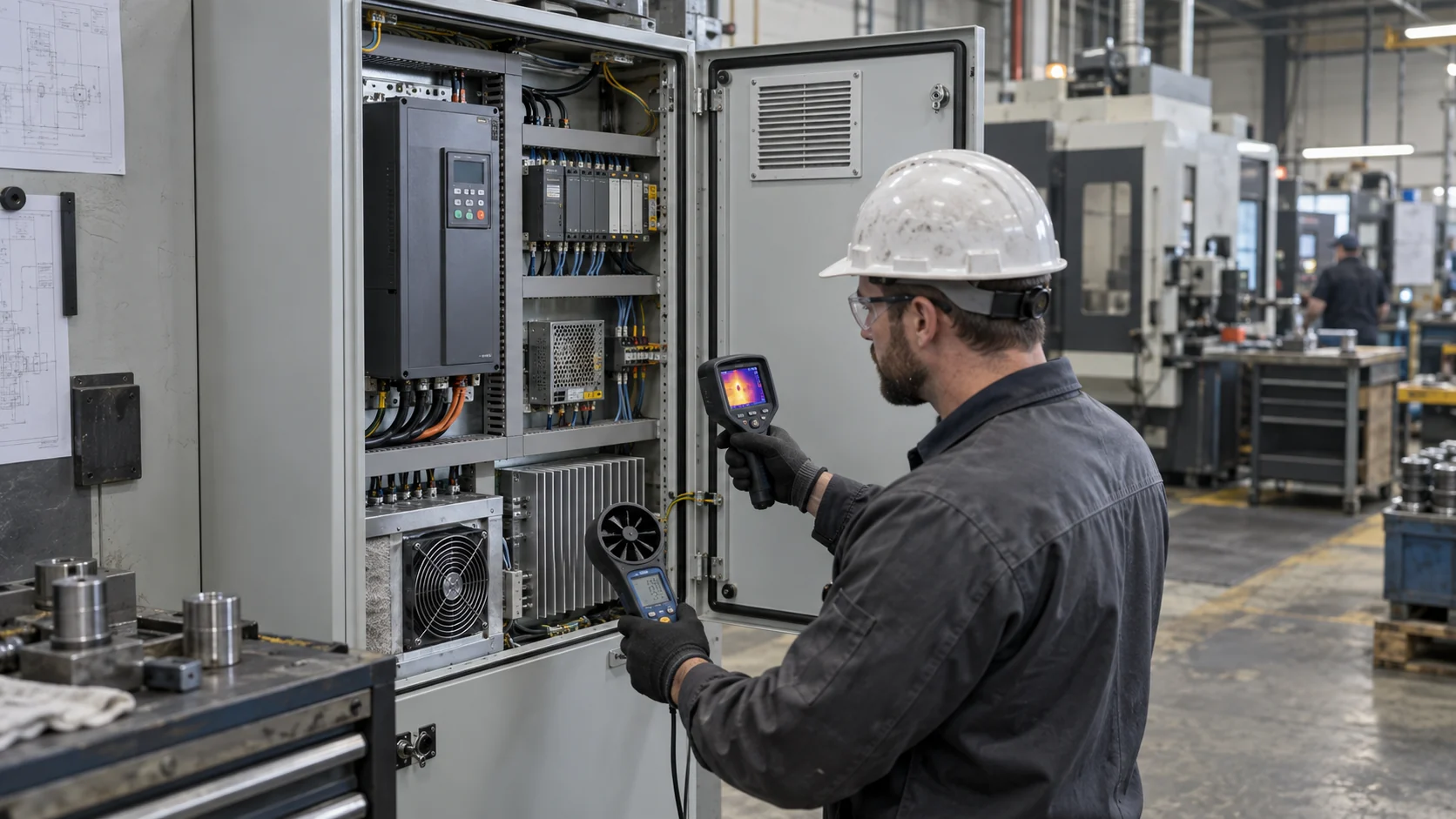
A practical guide to cooling PLC, VFD and servo control cabinets: calculate drive heat loss, account for filter pressure and layout bypass, then validate the fan at the real working point.
Read Article →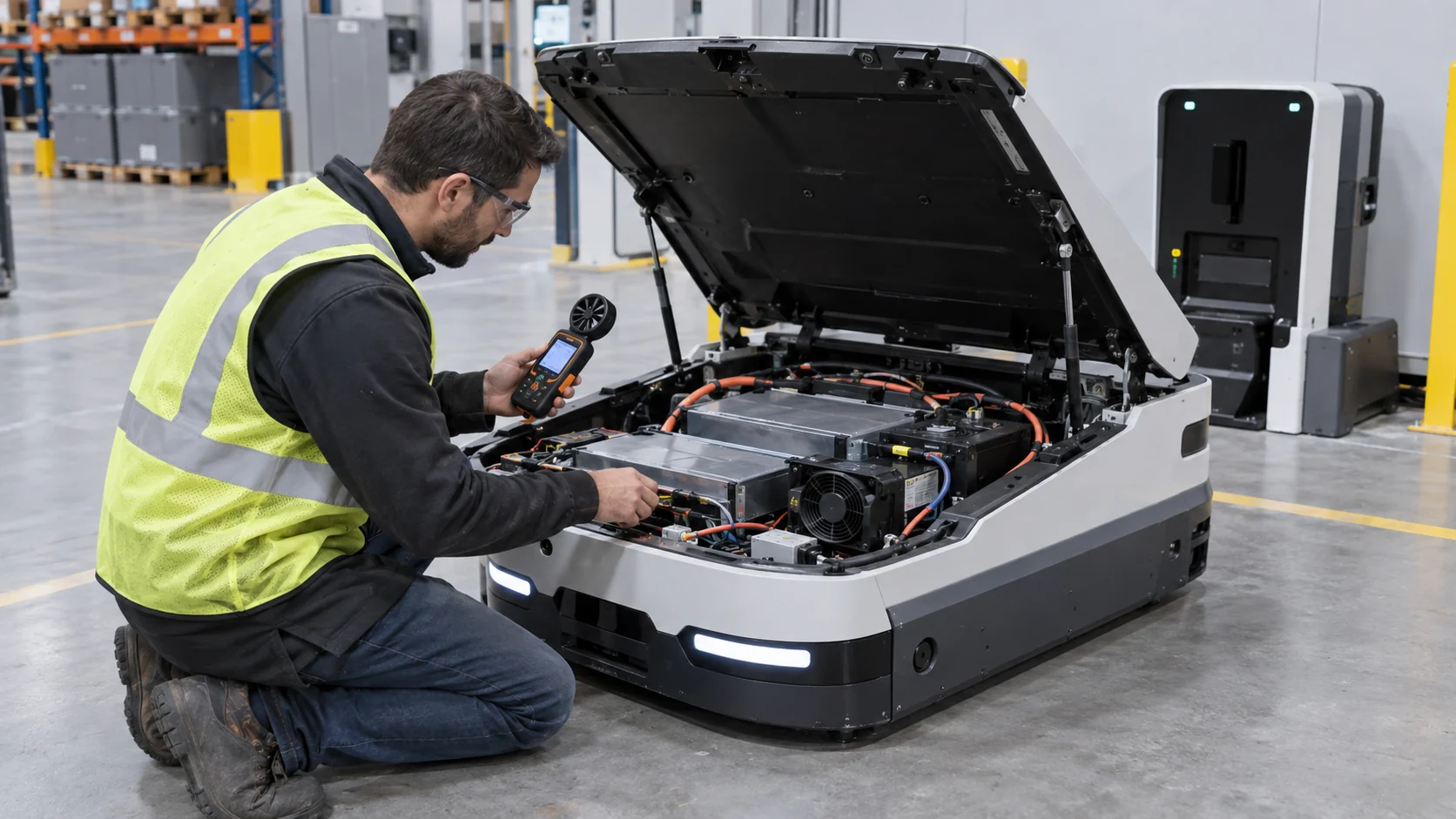
A practical engineering guide to cooling autonomous mobile-robot battery packs across high-rate charging, warehouse dust, low-temperature start, vibration and compact fan constraints.
Read Article →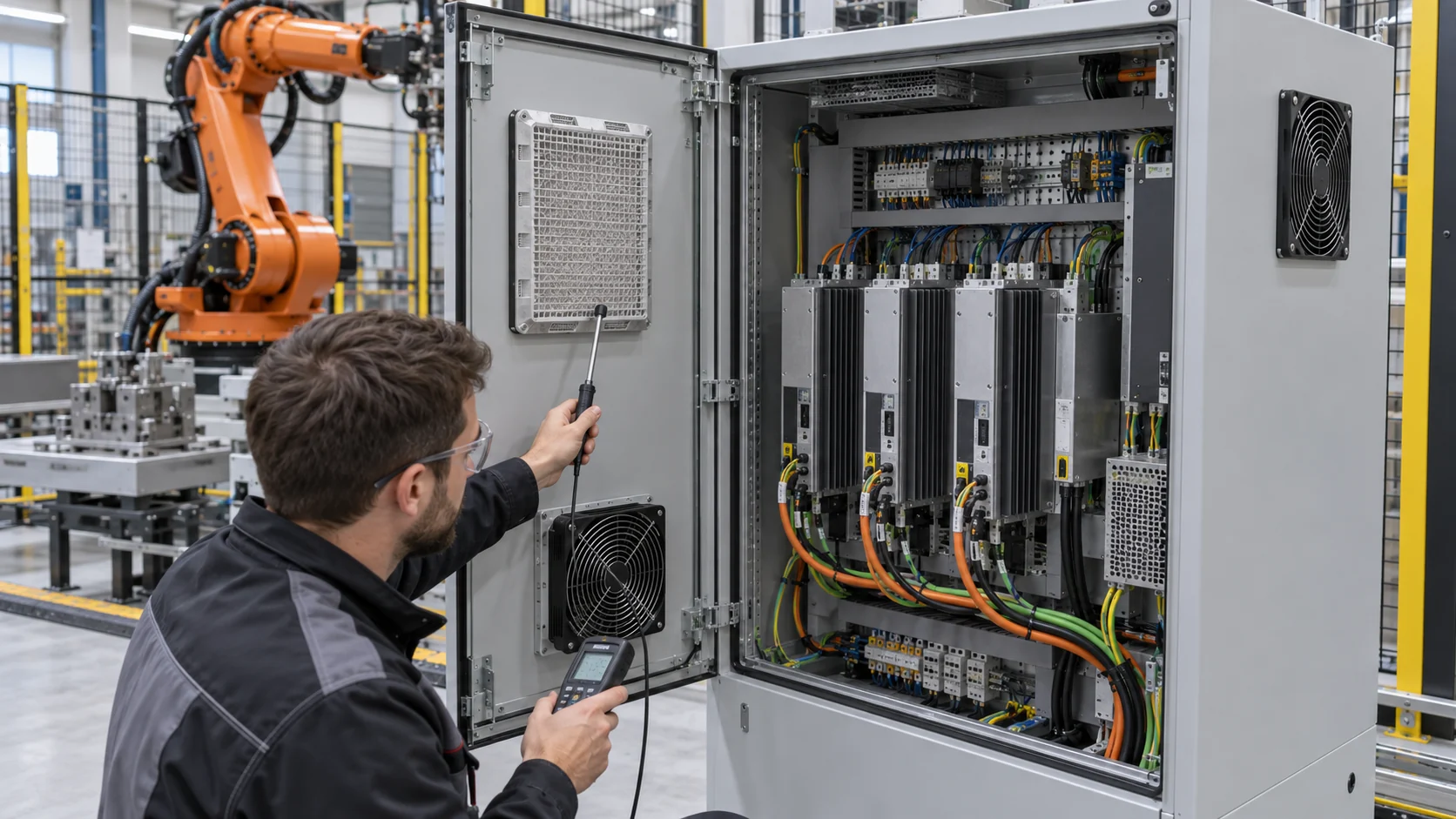
A practical guide to cooling robot controller and servo-drive cabinets when motion duty, regenerative braking, filters, ambient temperature and enclosure pressure change the real fan operating point.
Read Article →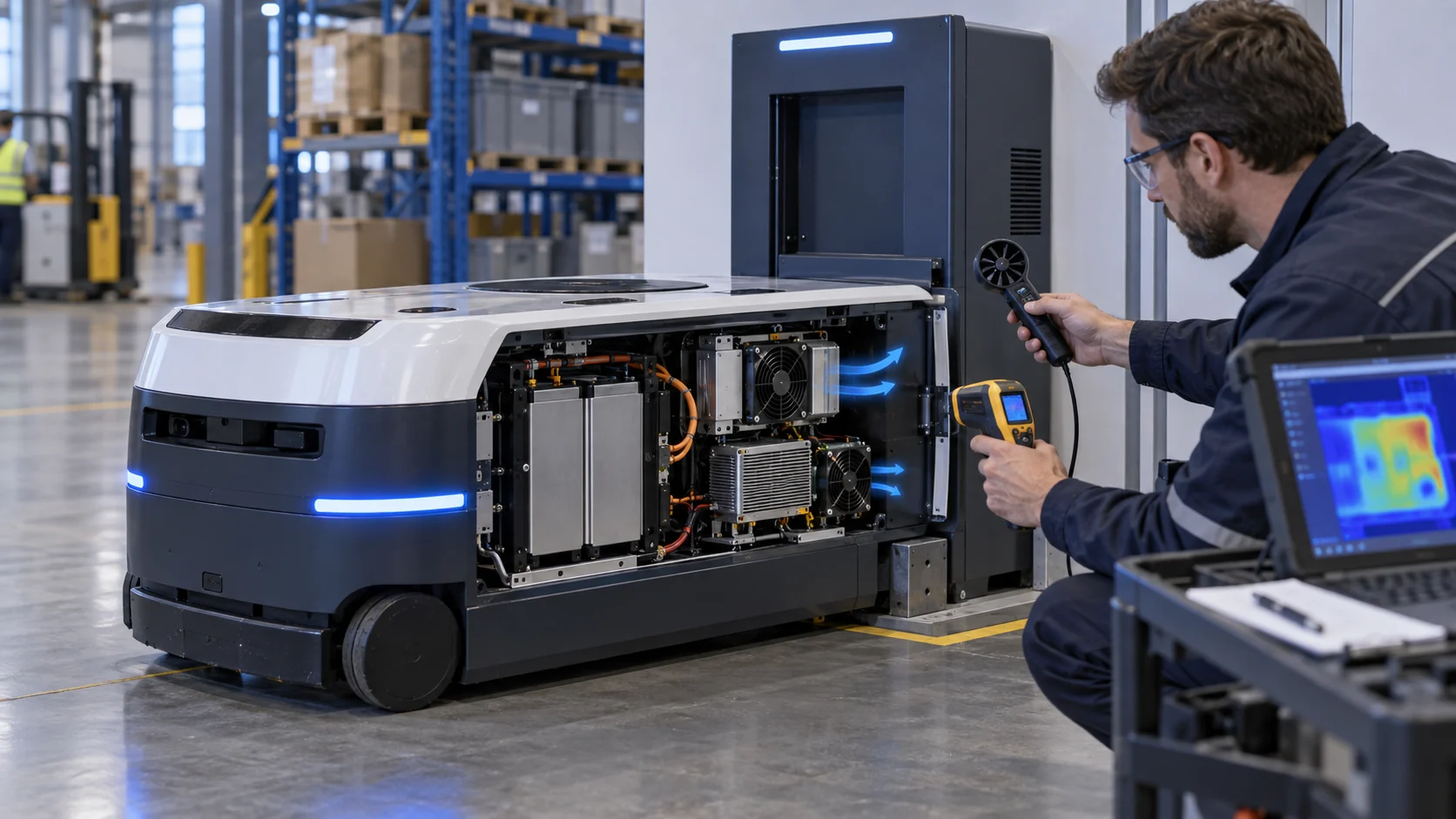
A practical engineering case guide to cooling AMR charging docks and battery compartments when charge power, DC-DC loss, compact air paths, dust and fan control change the real operating point.
Read Article →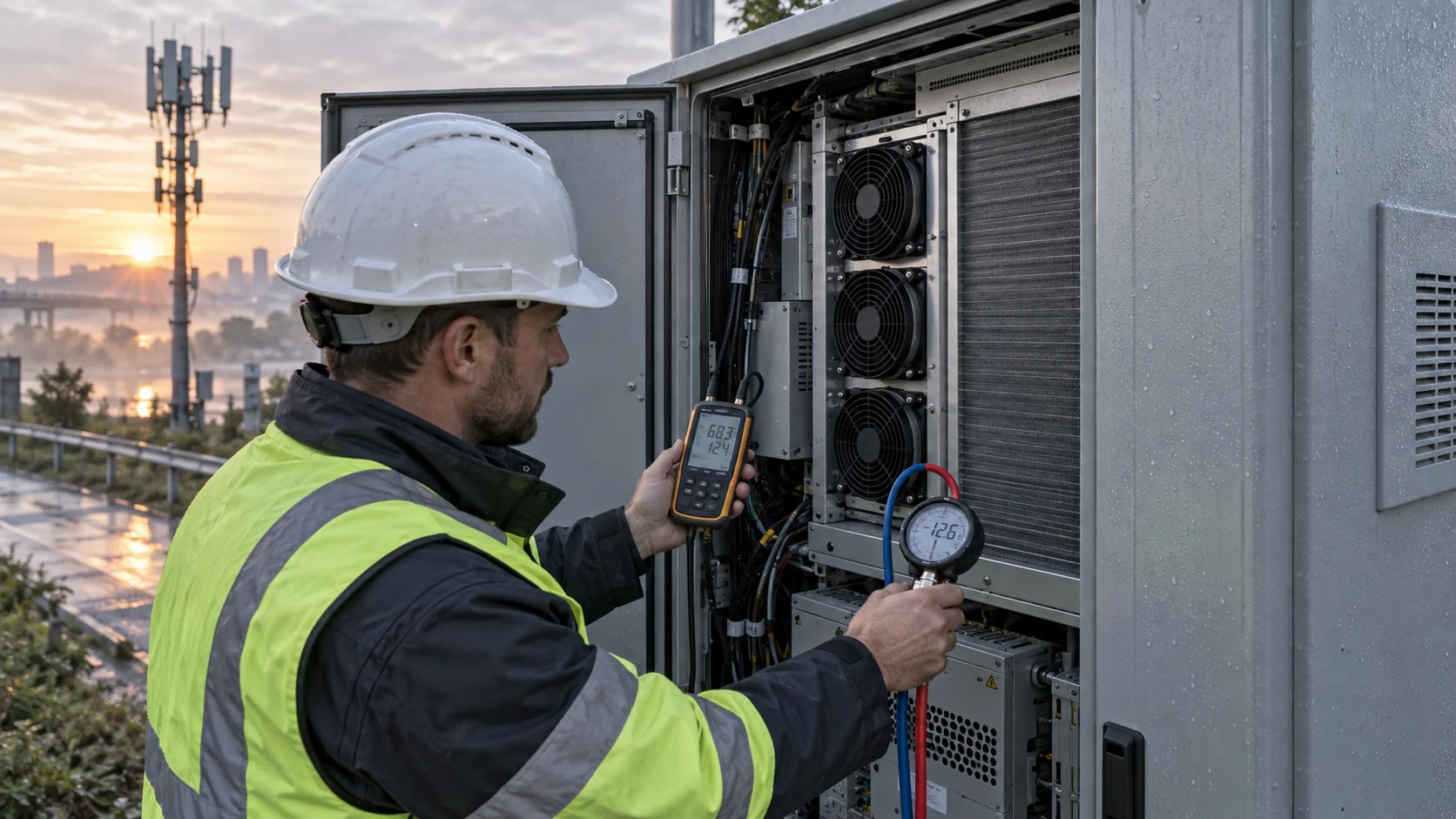
A practical guide to outdoor 5G and edge-cabinet cooling when humidity, condensation, solar load, filter pressure, fan failure and service intervals interact.
Read Article →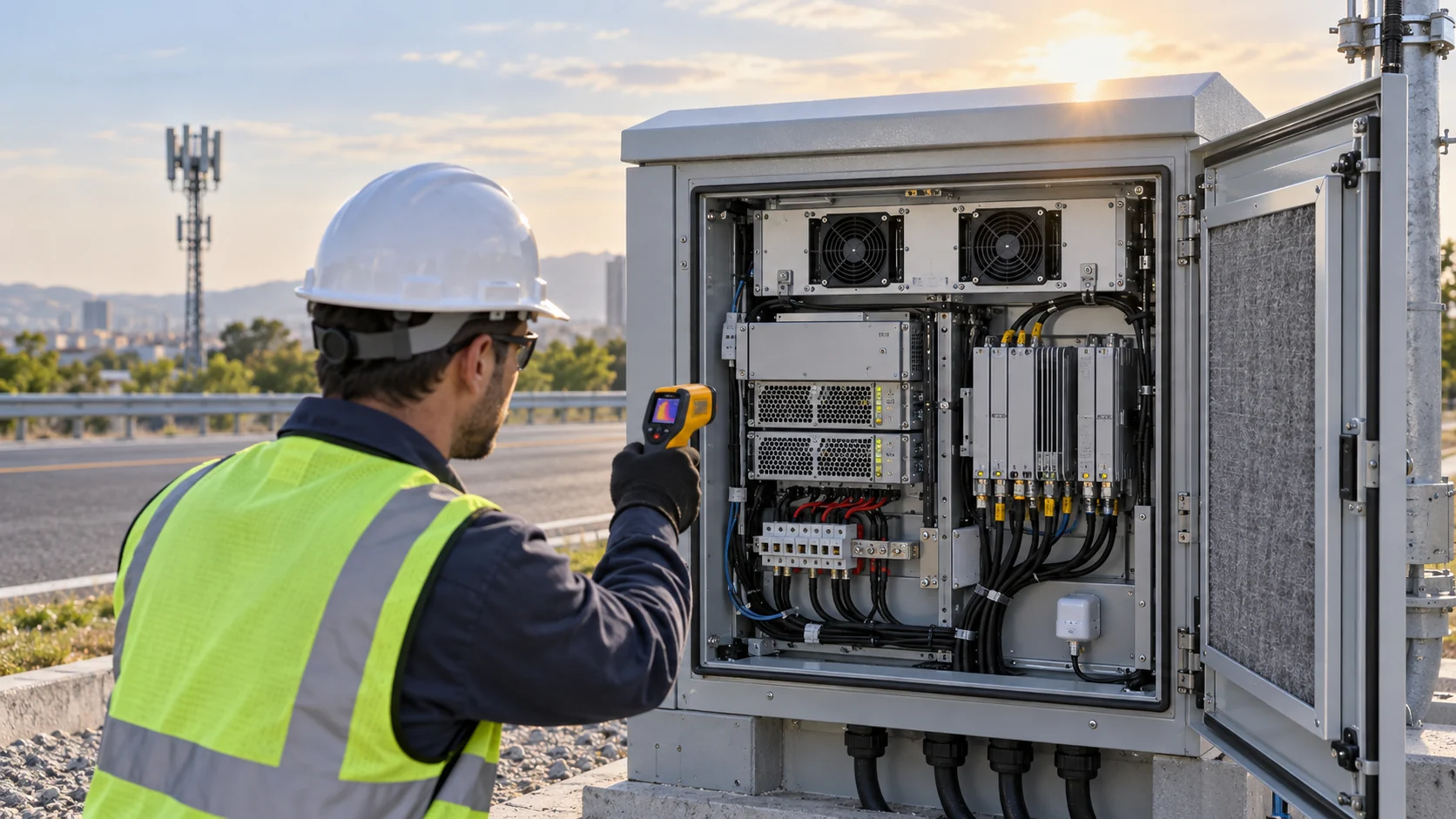
A field-oriented engineering guide for 48 V outdoor telecom cabinets: connect solar heat, filter pressure, fan failure, humidity and condensation before selecting the cooling fan.
Read Article →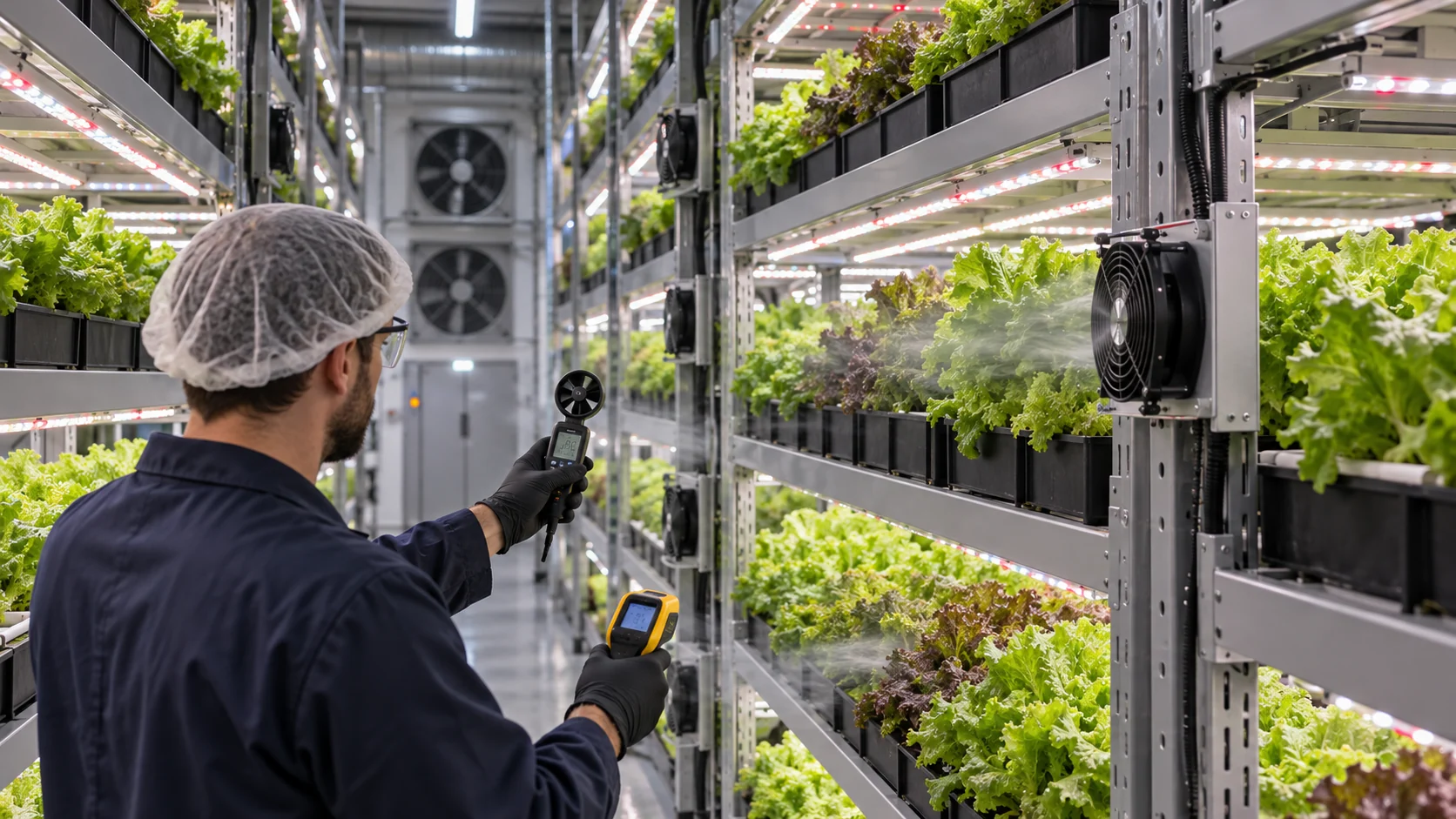
An engineering case-style guide to vertical-farm rack airflow: connect LED heat, leaf-level velocity, VPD, condensation, fan placement and energy before selecting a custom cooling fan.
Read Article →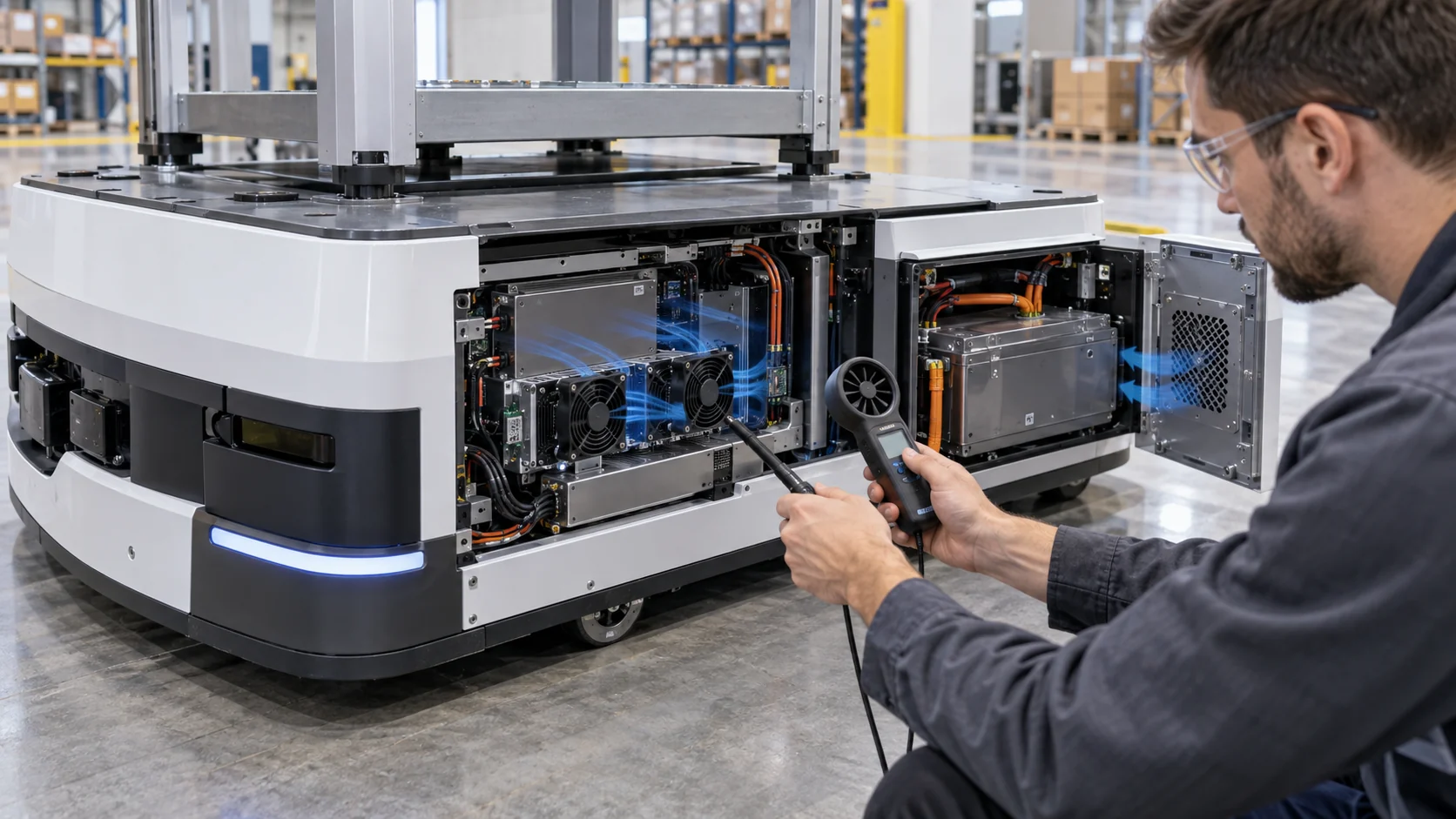
How engineers should balance sealed enclosure protection, filter pressure drop, fan operating point and vibration when cooling an AMR or AGV control cabinet.
Read Article →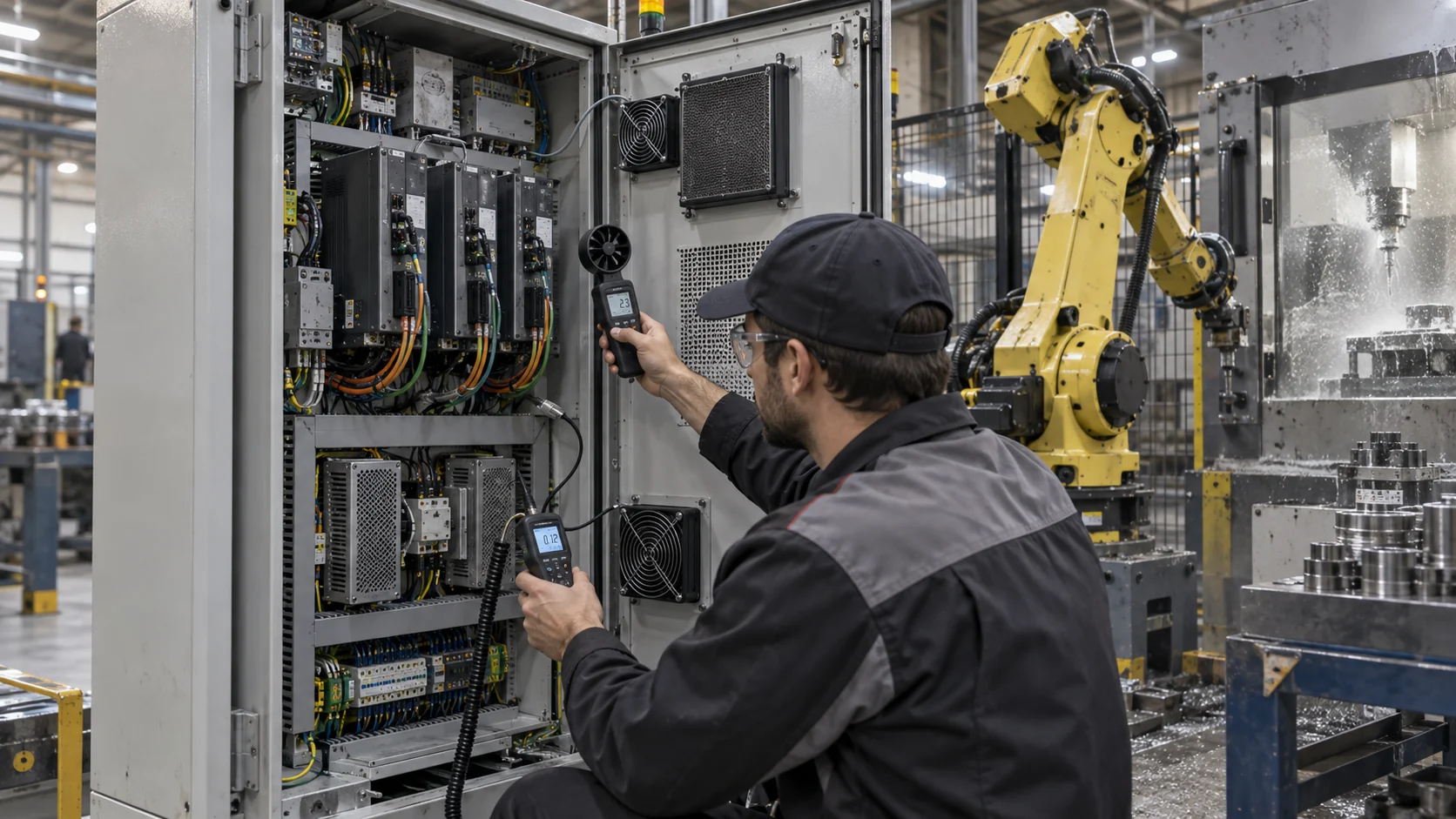
A practical guide to selecting and validating cooling fans for robot controller cabinets, servo drives and motion systems under vibration, dust, oil mist, filter loading and peak-motion heat loads.
Read Article →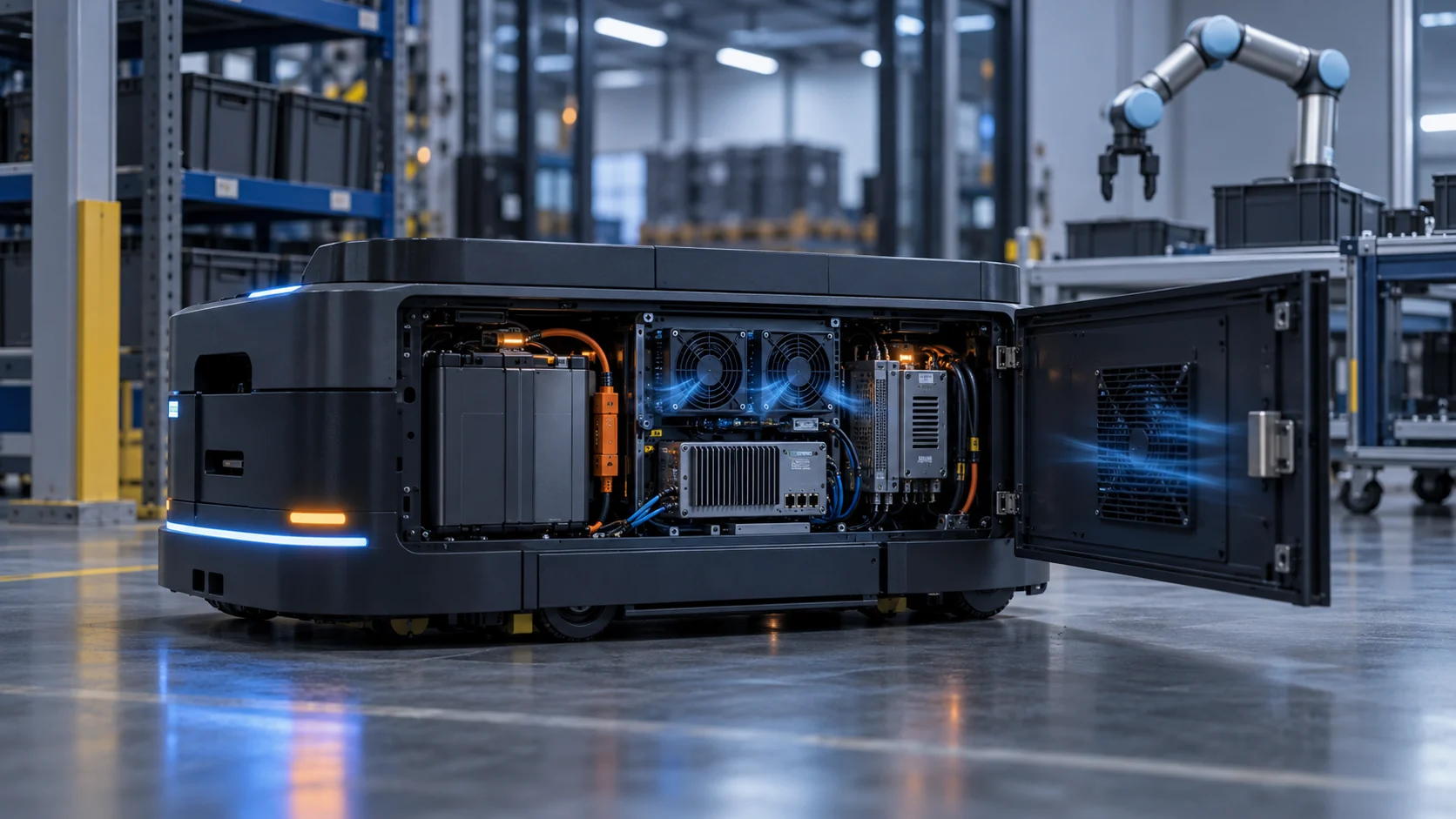
A practical guide to cooling collaborative robots and autonomous mobile robots when battery heat, motor drives, edge AI, sealed housings, noise and motion duty share the same compact air path.
Read Article →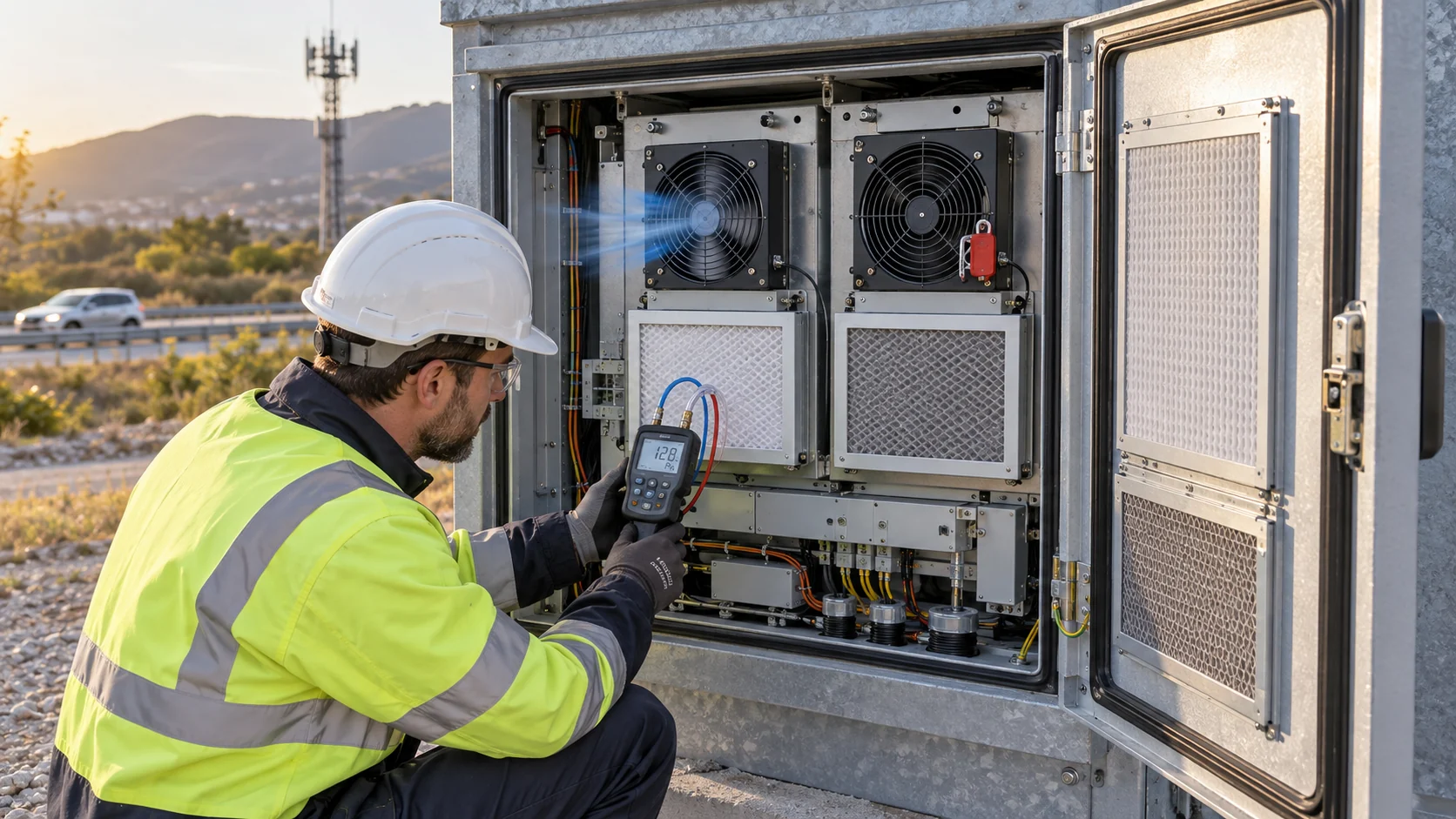
How telecom engineers should validate 48V fan redundancy, reverse flow through a stopped fan, filter loading, outdoor heat and service access in an IP-protected cabinet.
Read Article →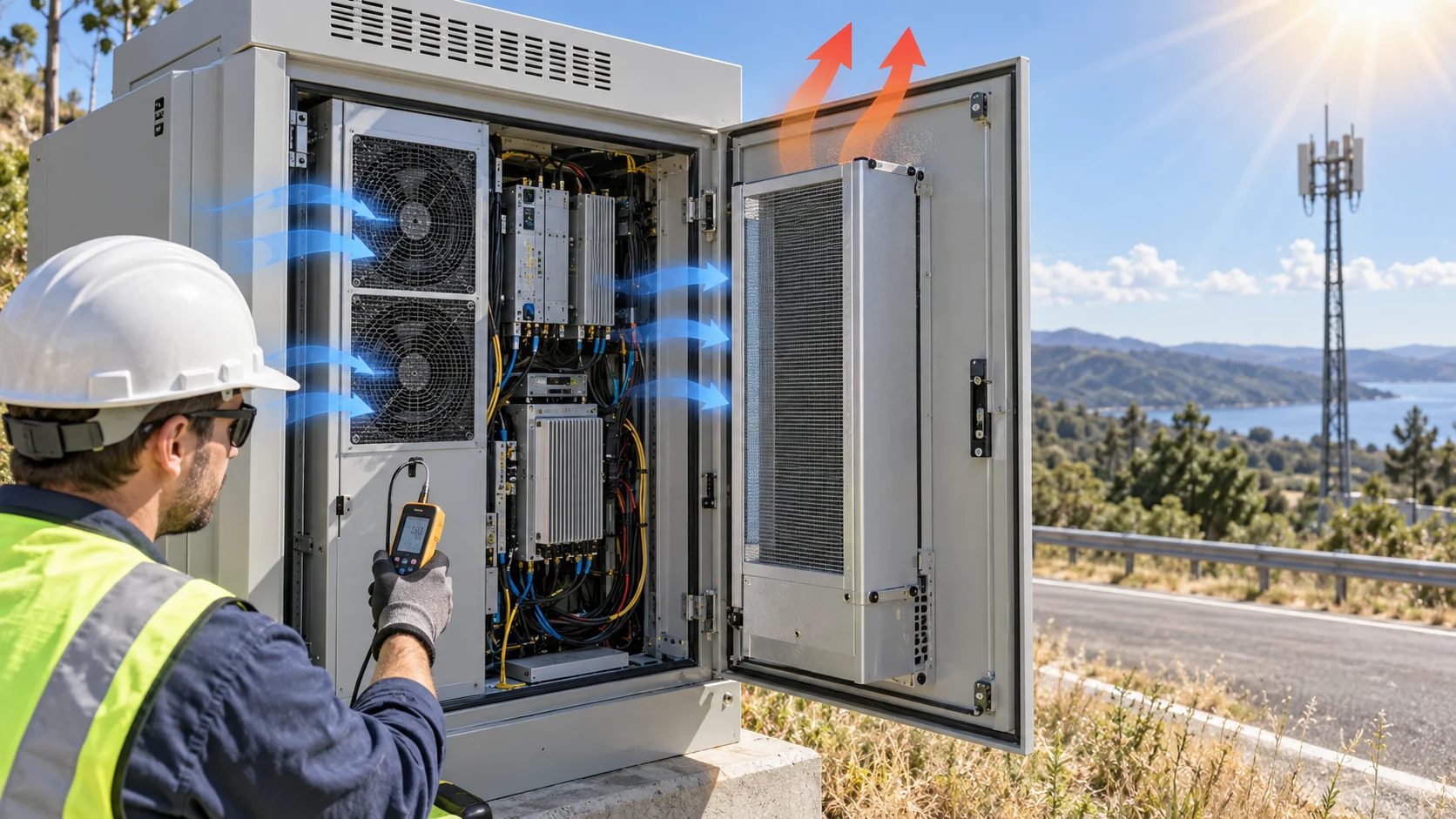
A practical decision guide for outdoor telecom and edge cabinets: compare filtered ventilation, air-to-air heat exchangers and air conditioning using heat load, solar gain, ambient temperature, IP protection, pressure drop and service evidence.
Read Article →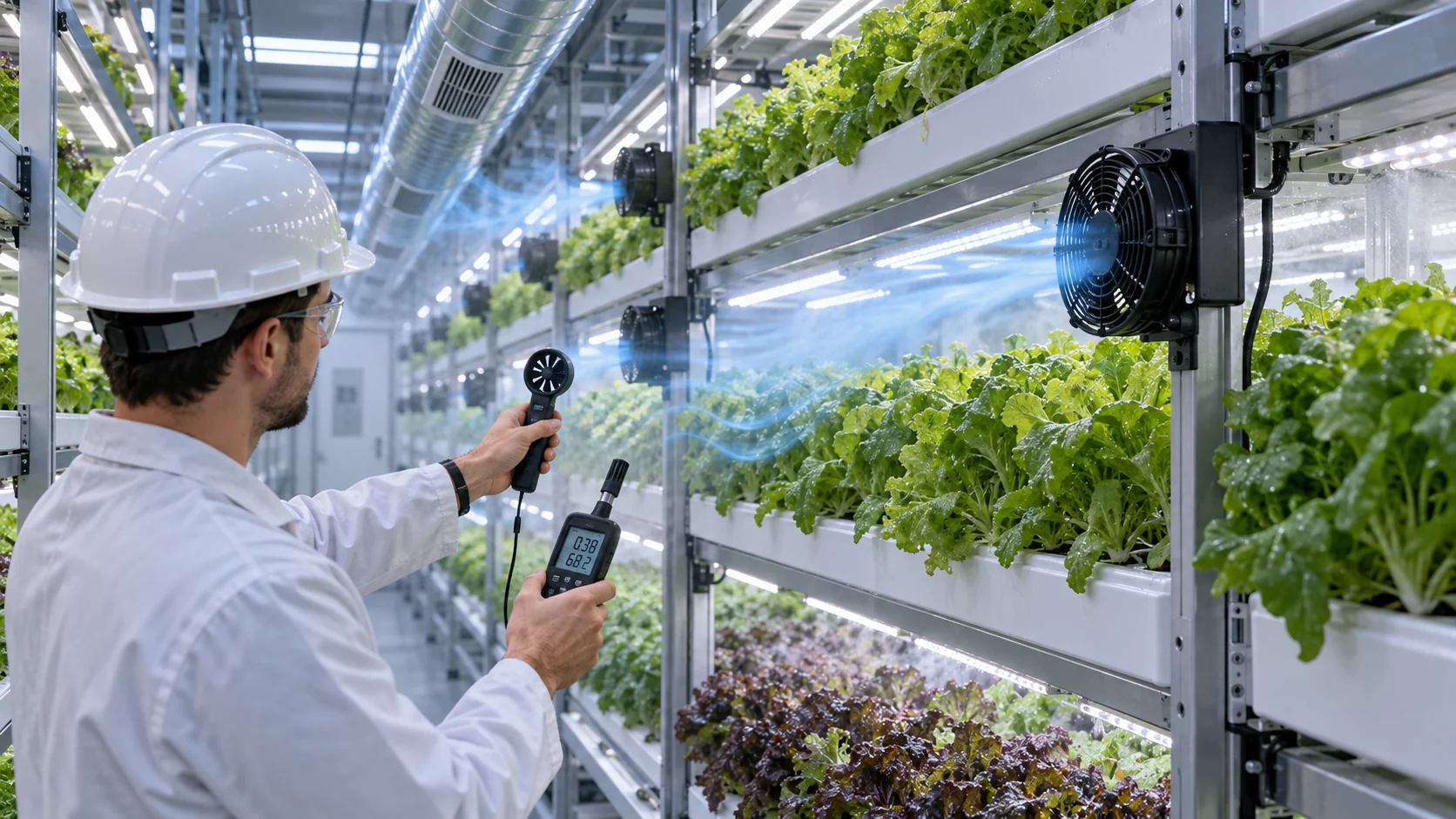
How vertical-farm engineers should separate global air delivery from rack-level mixing and validate canopy airflow, humidity, VPD, condensation risk, fan pressure and energy use.
Read Article →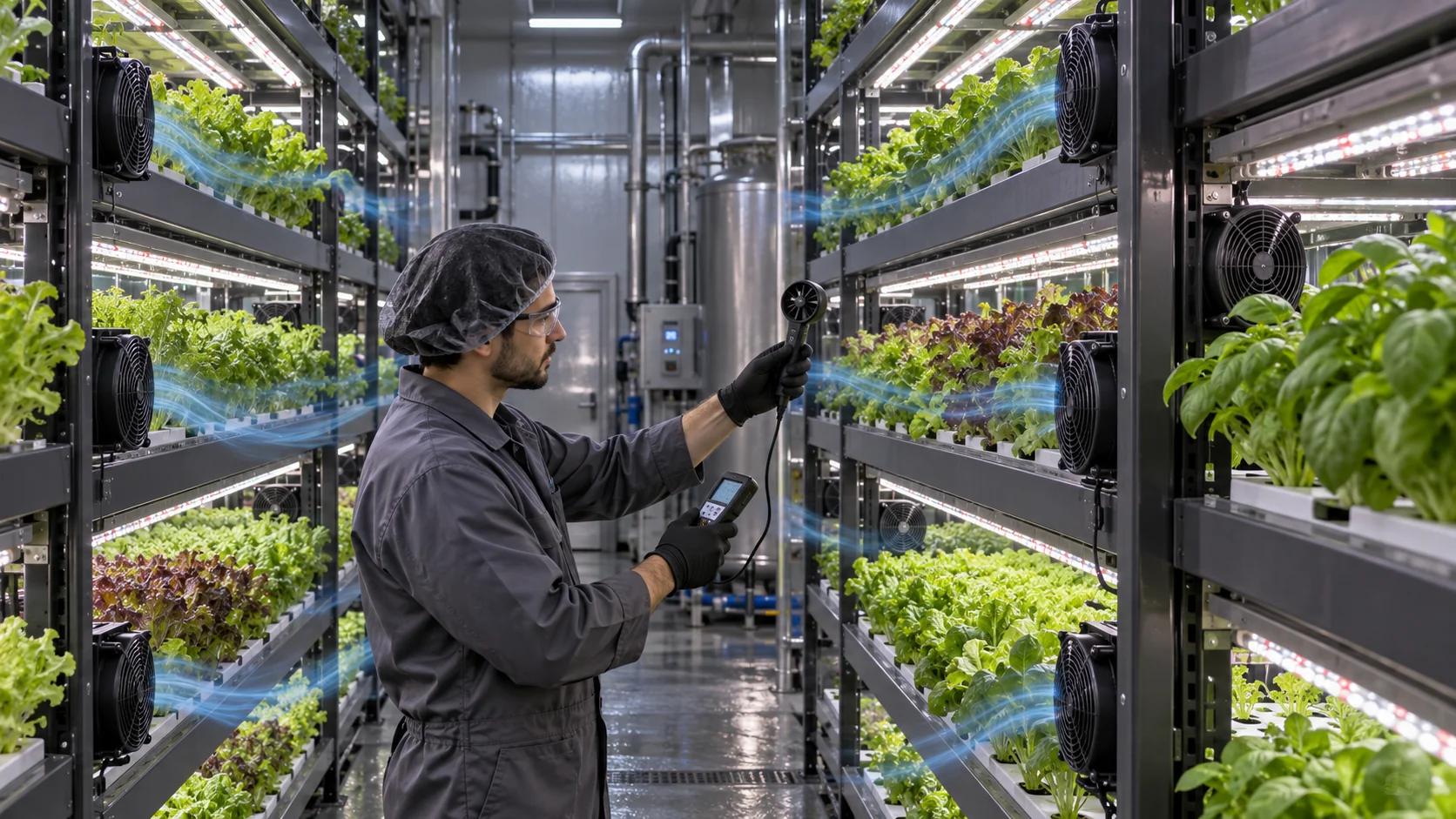
A practical engineering guide to choosing sidewall, aisle and rack-level fan layouts for vertical farms, including pressure-drop estimation, canopy airflow mapping, PWM control and energy validation.
Read Article →
Air that short-circuits past the heat sink cools nothing: learn the airflow, static-pressure and IP decisions behind a customized cabinet fan.
Read Article →Solar load, dust, salt and condensation decide the cooling arrangement in an outdoor 5G cabinet before the fan is chosen.
Read Article →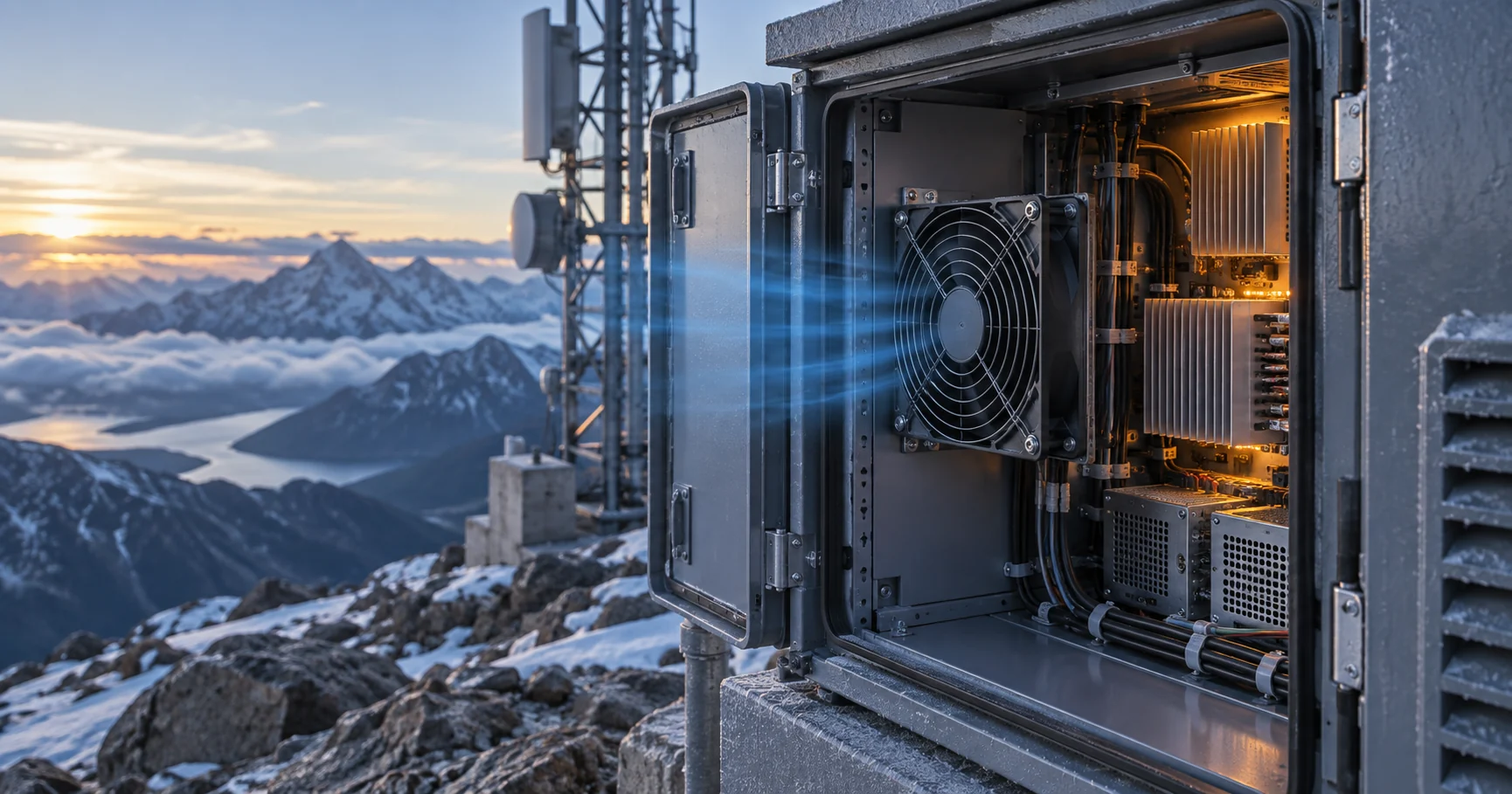
Temperature and altitude cut air density, so fan performance, motor derating and clearance limits must all be rechecked.
Read Article →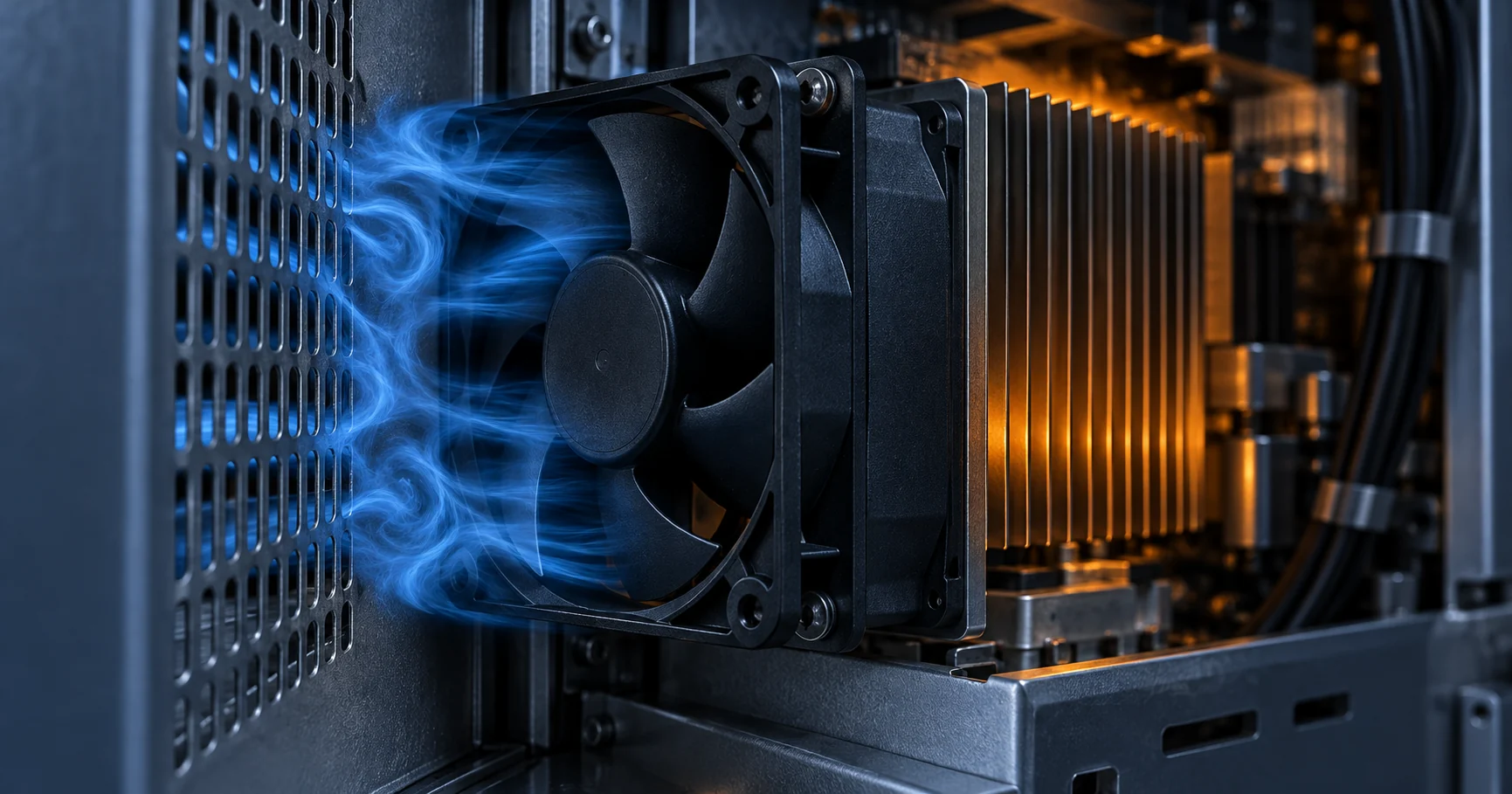
How walls, elbows, guards and abrupt outlets add pressure loss, and how to size a fan on the corrected curve.
Read Article →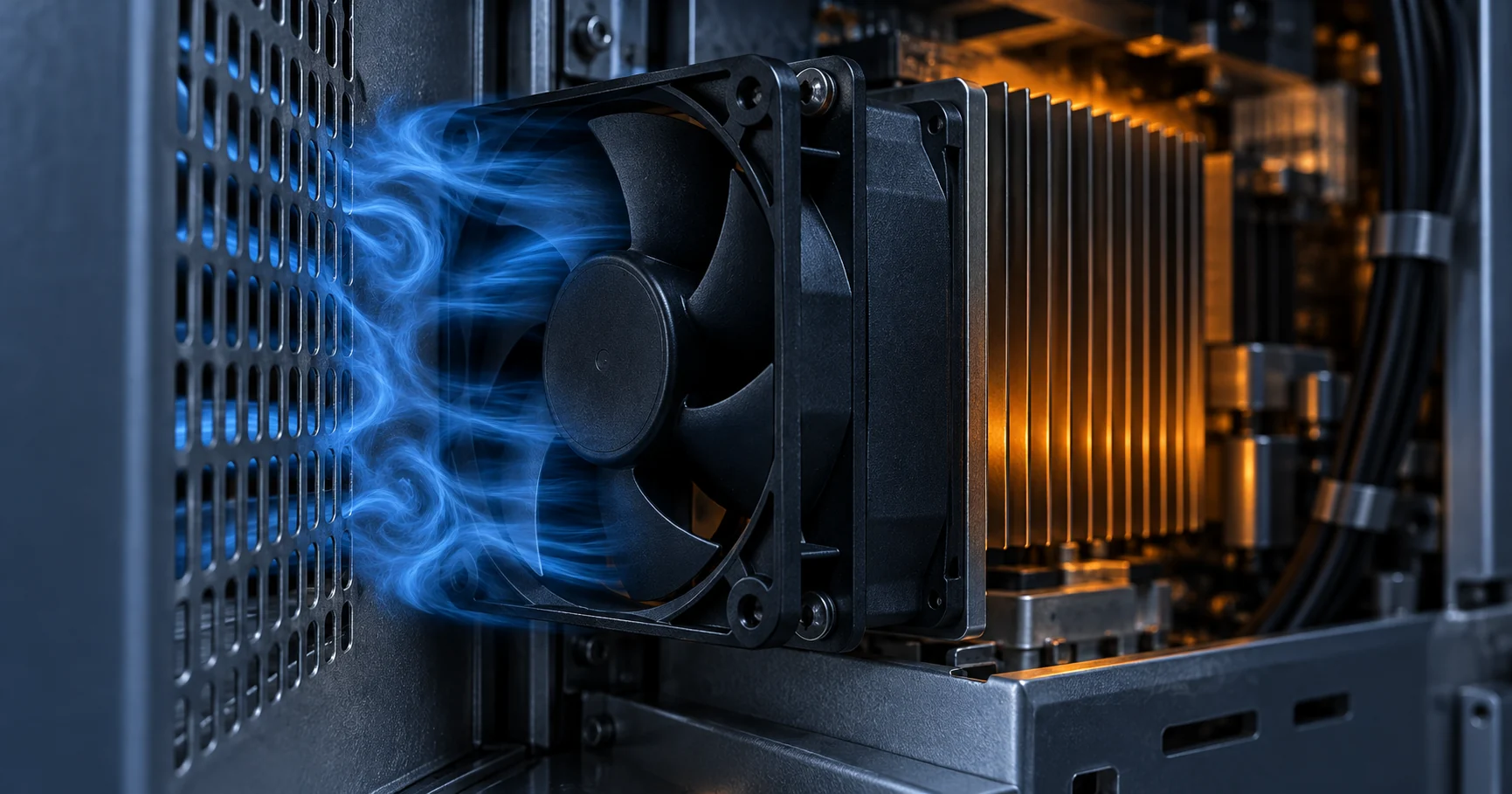
Why an installed fan is louder than its dBA rating, and how speed, pressure and mounting resonance shape the sound.
Read Article →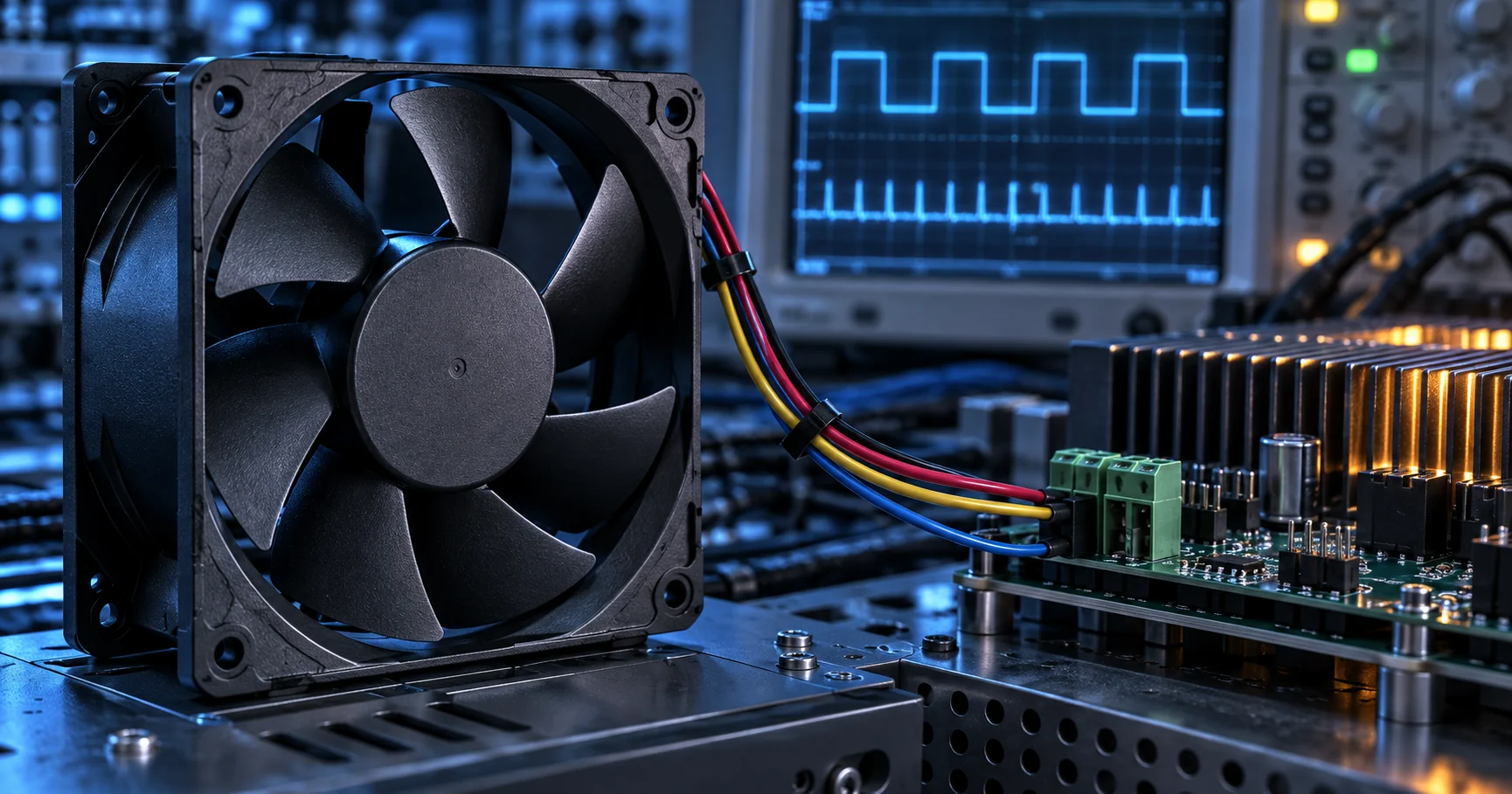
How to specify fan voltage, control input, start-up current and feedback, and why rotation is not proof of installed cooling.
Read Article →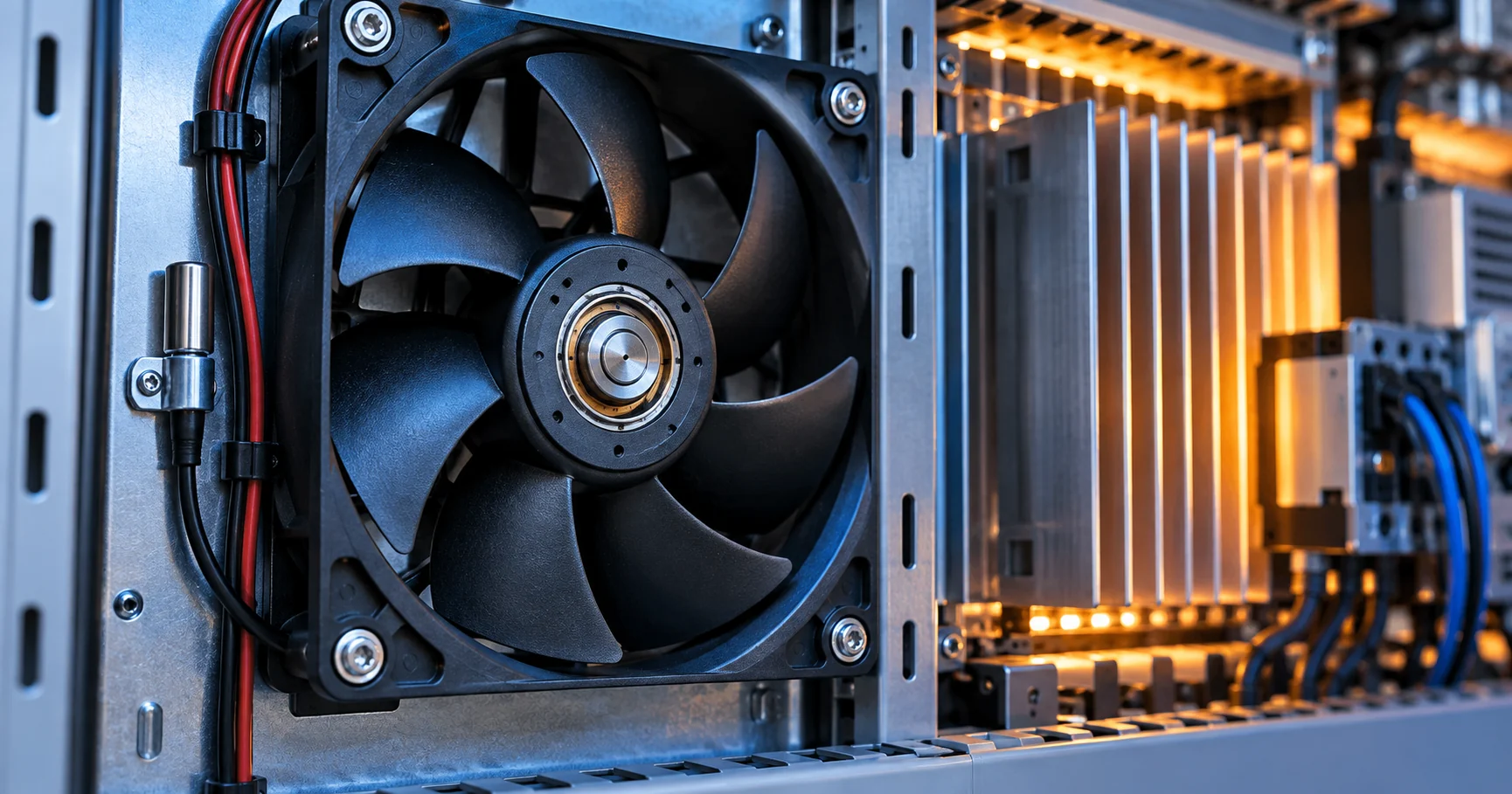
L10 is not the whole life. How bearing temperature, orientation and restart cycles decide what a catalogue figure really means.
Read Article →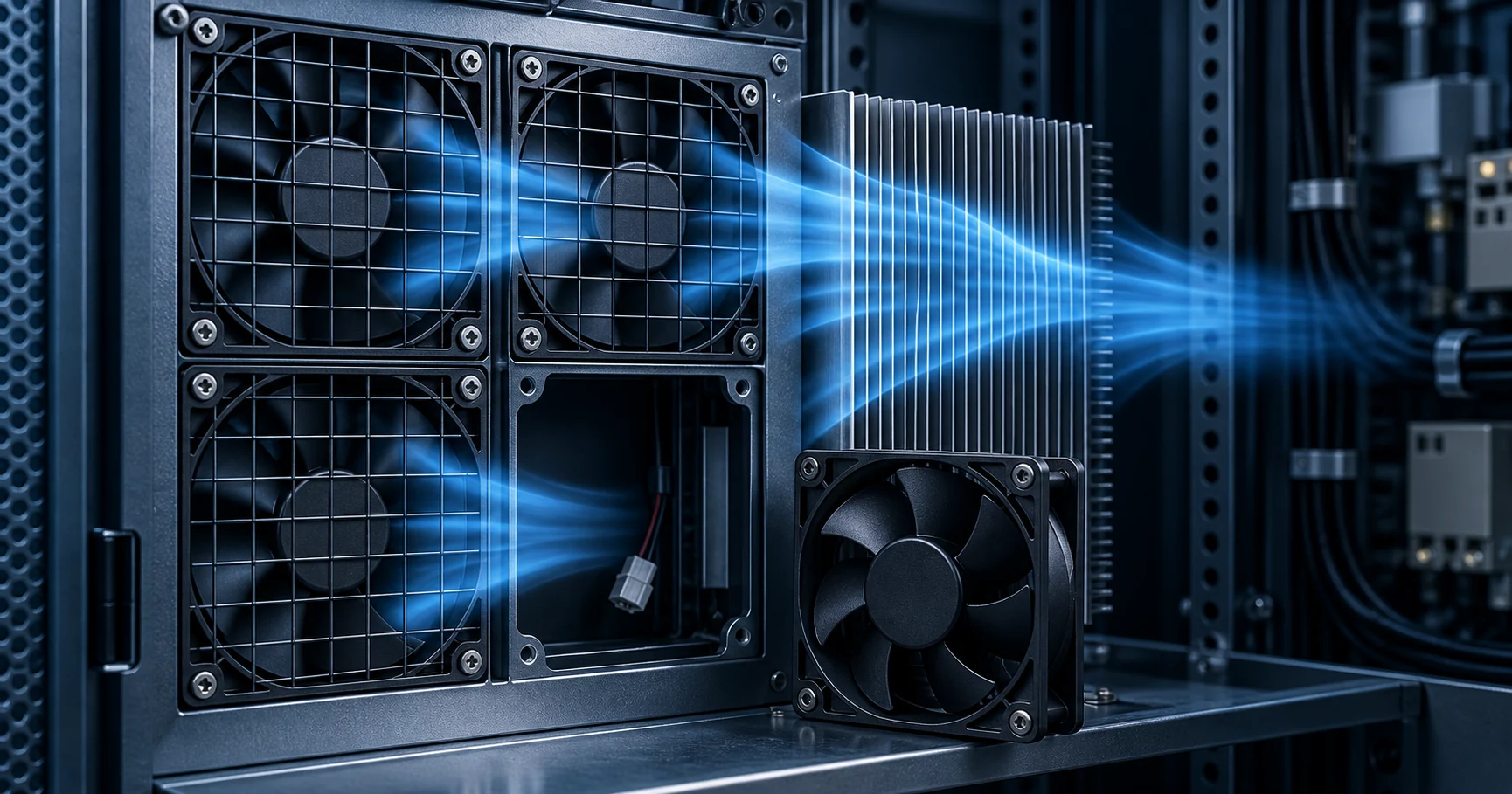
A parallel fan array settles on an operating point of its own; N+1 has to be proved at the real system pressure, not by multiplying airflow.
Read Article →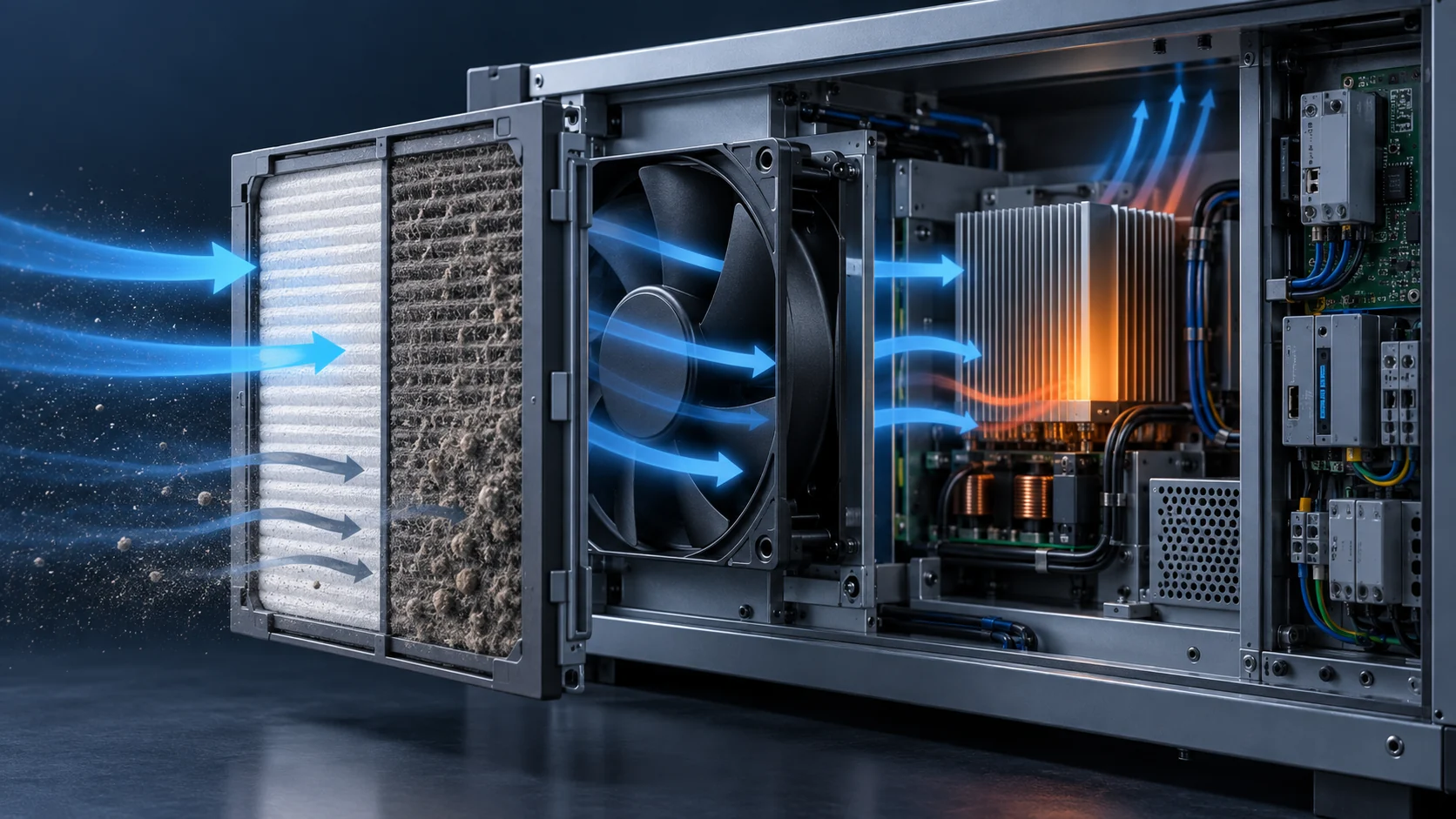
Filter pressure drop raises system resistance and cuts airflow: the filter states to specify and how to validate them.
Read Article →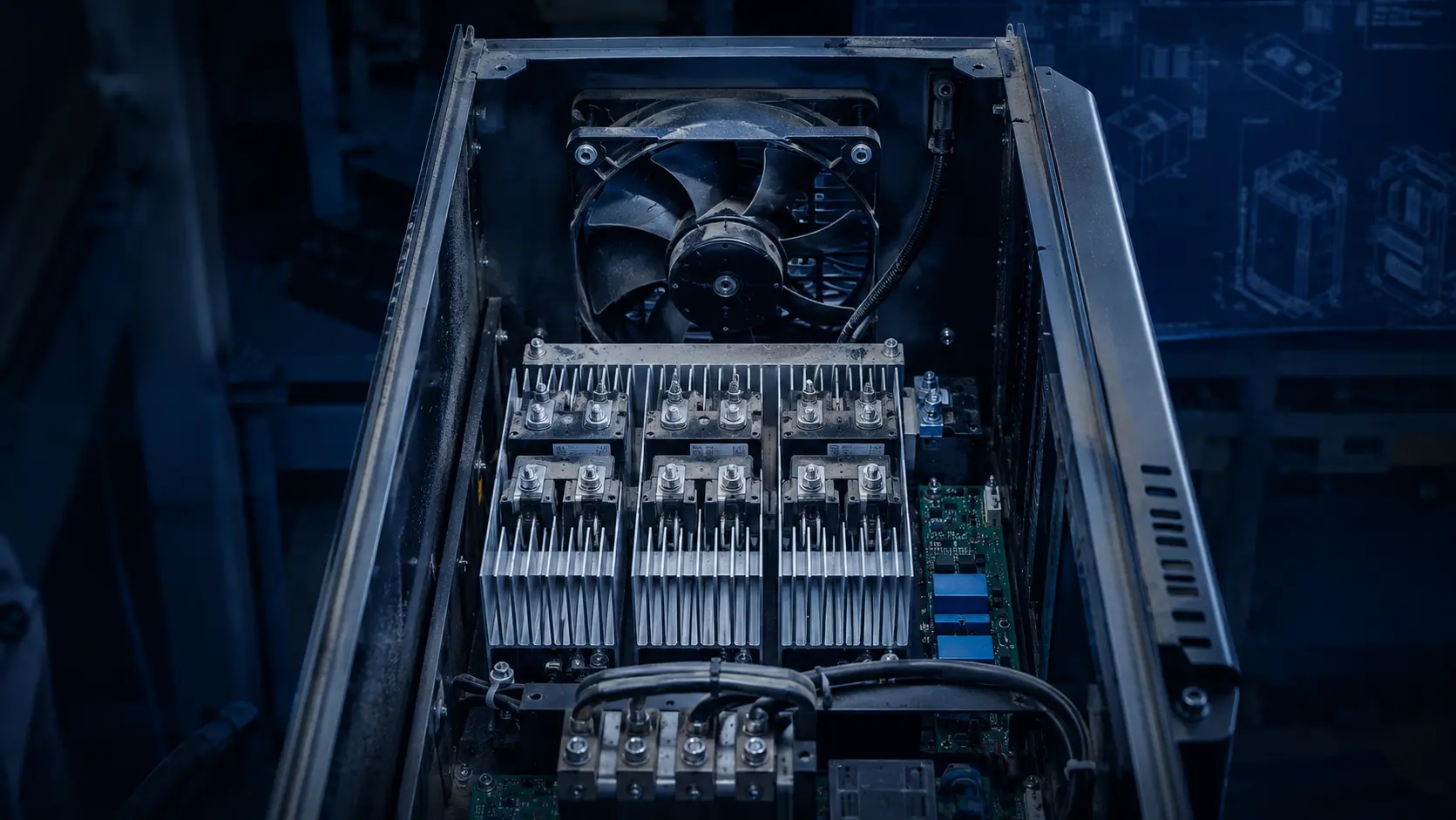
A self-derating drive was never a bad fan — dust and choked filters beat free-air CFM. See how pressure-led customization and cabinet testing fix it.
Read Article →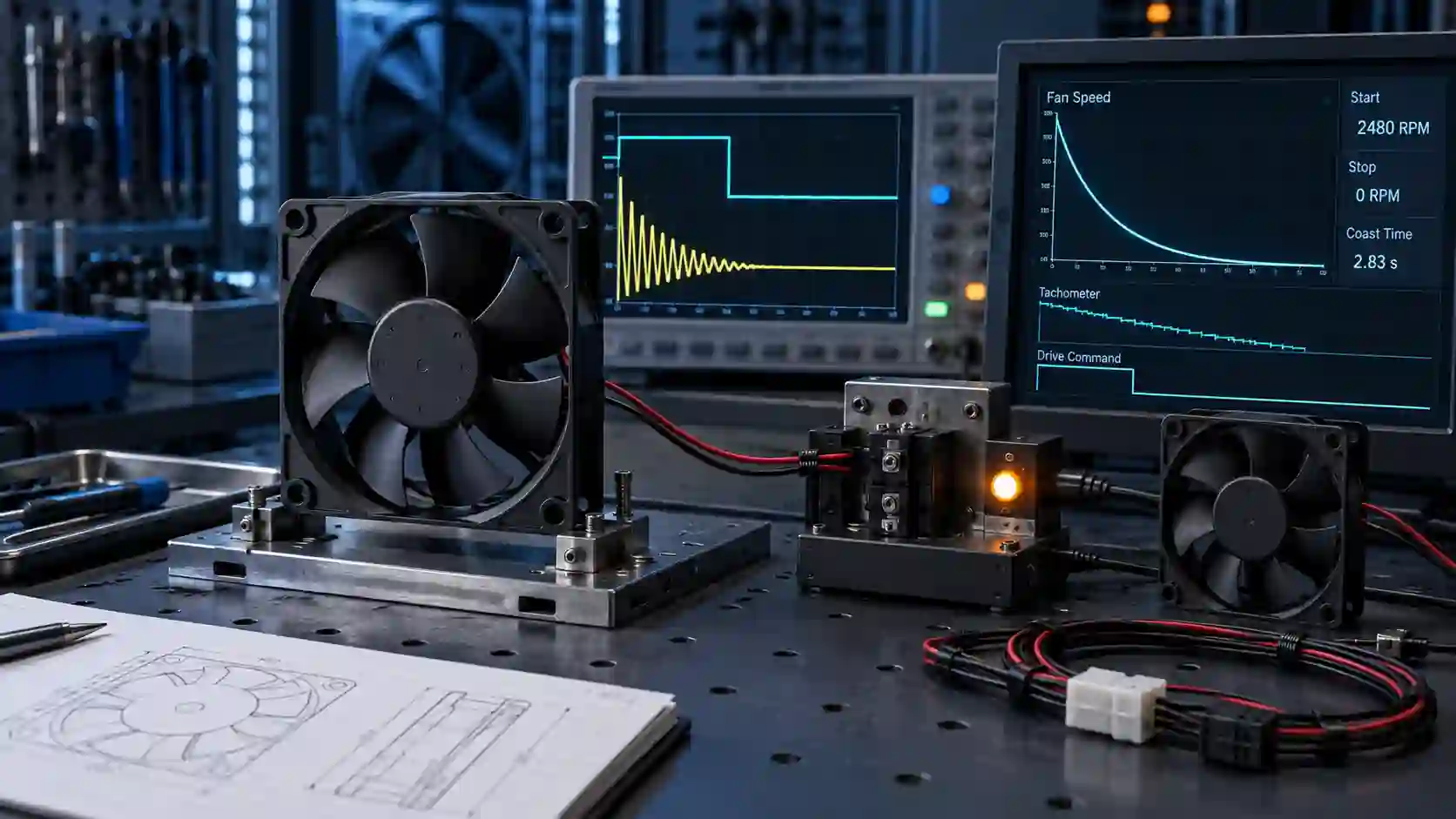
How to validate two-wire fan startup, coast-down, restart and braking behavior, including an anonymised 15–18 second to approximately 7 second project result.
Read Article →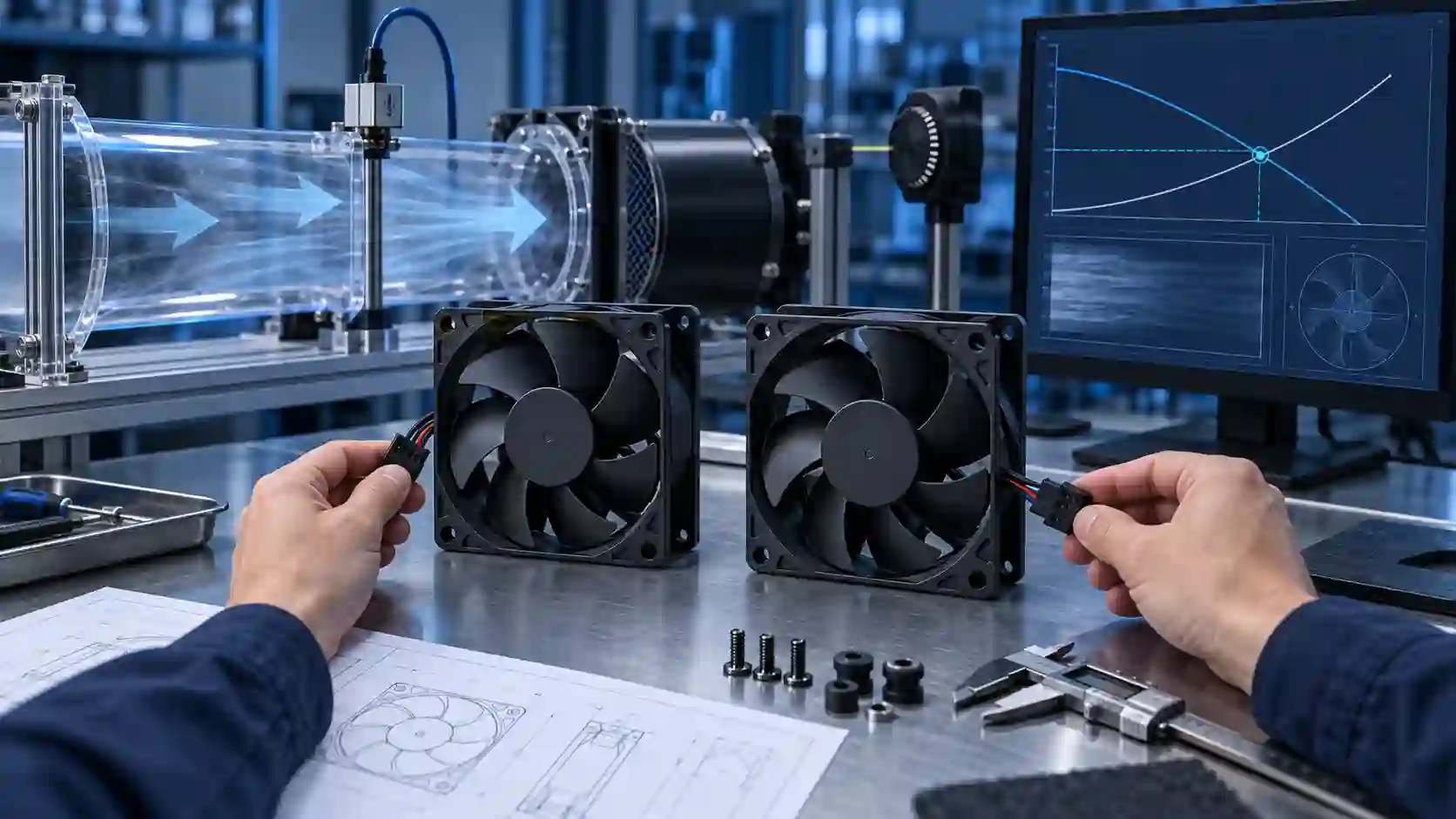
Evaluate a premium fan replacement by installed airflow, pressure, controls, noise, fit and validation evidence, not by maximum CFM alone.
Read Article →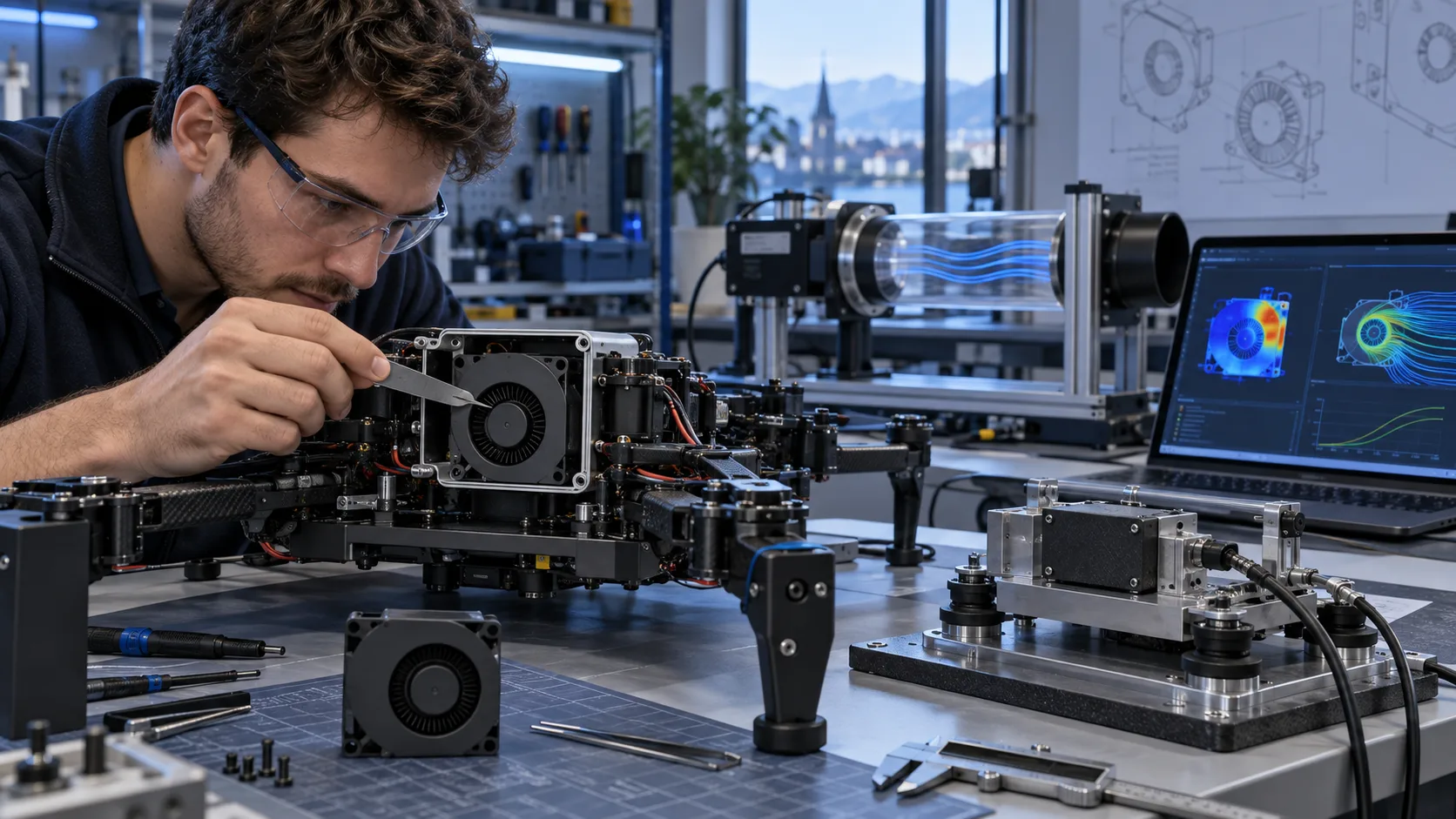
Turn a startup cooling requirement into a tested custom fan sample and a controlled pilot build, using a drone blower redesign as the example.
Read Article →
Review projector fan layout before changing the fan: inlet wall gap, parallel spacing, recirculation and noise, with a three-configuration comparison plan.
Read Article →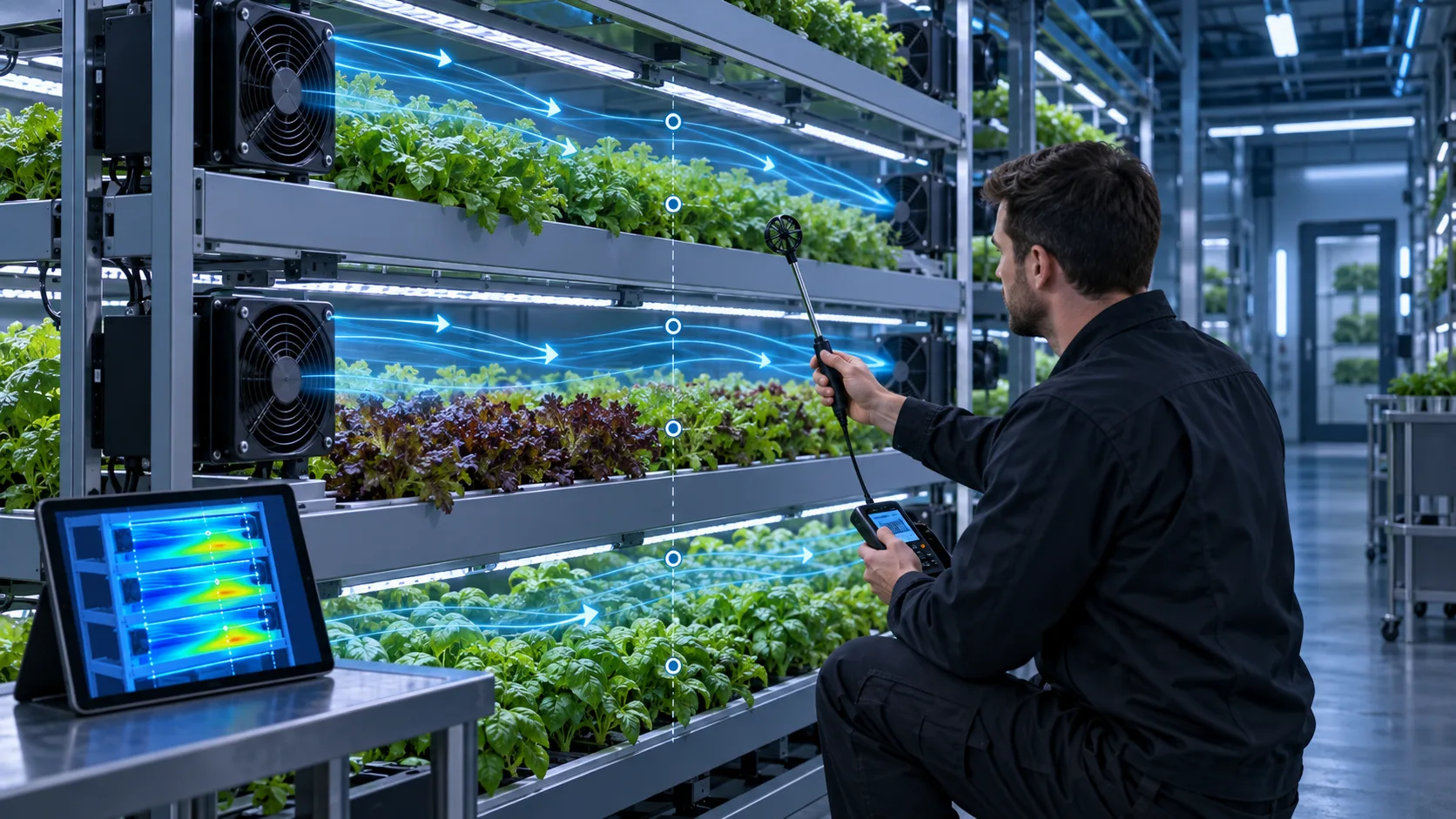
Validate airflow where the crop lives: set the band from the recipe, map velocity at canopy height on every layer, and log climate and fan data together.
Read Article →
Compare vertical-farm fan layouts with a uniformity metric: fan placement, baffles, return paths and canopy air speed targets that hold across every growing layer.
Read Article →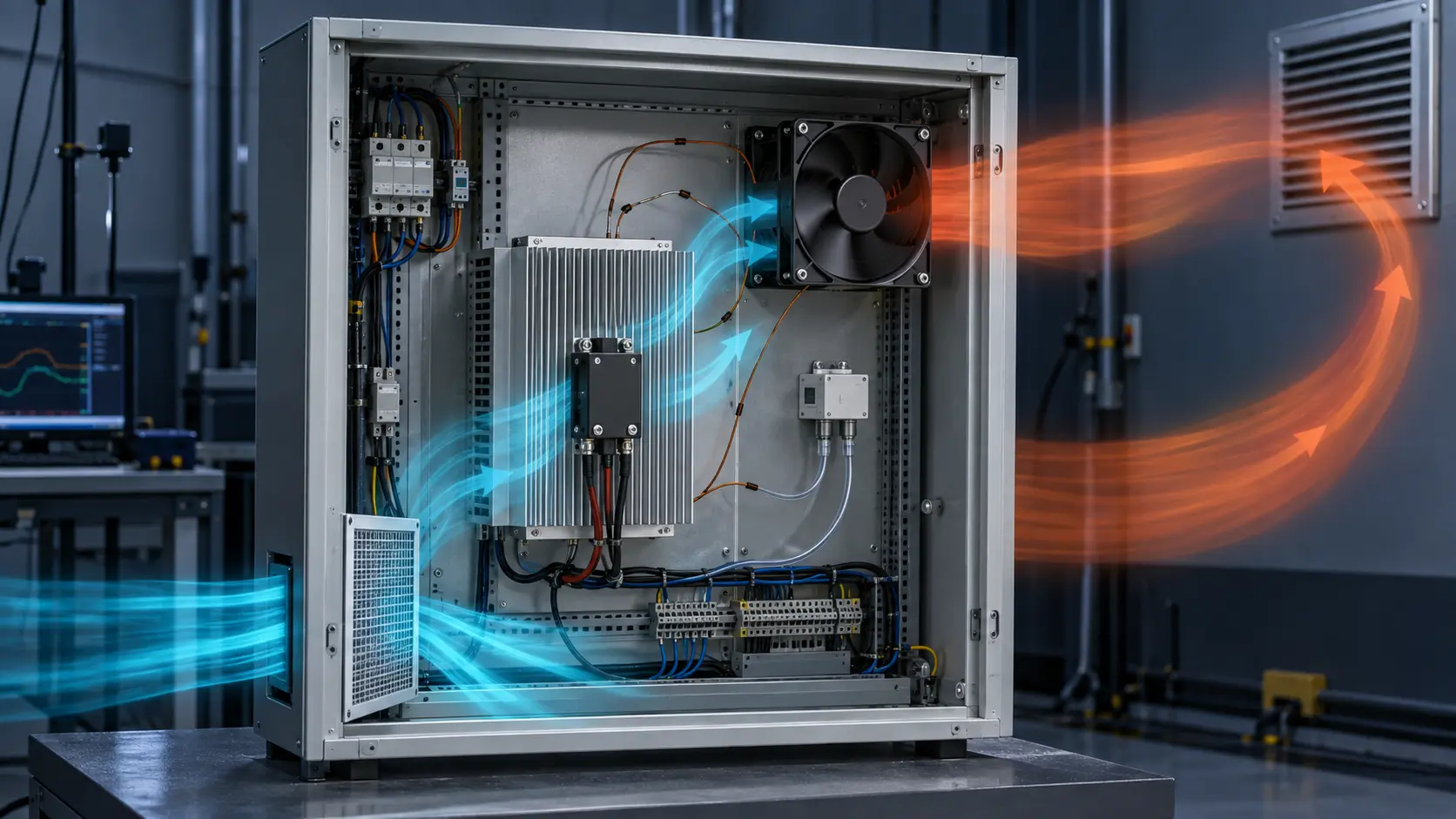
Diagnose hot-air recirculation and internal bypass in fan-cooled electronics enclosures, then validate intake, exhaust and hotspot temperatures before increasing fan speed.
Read Guide →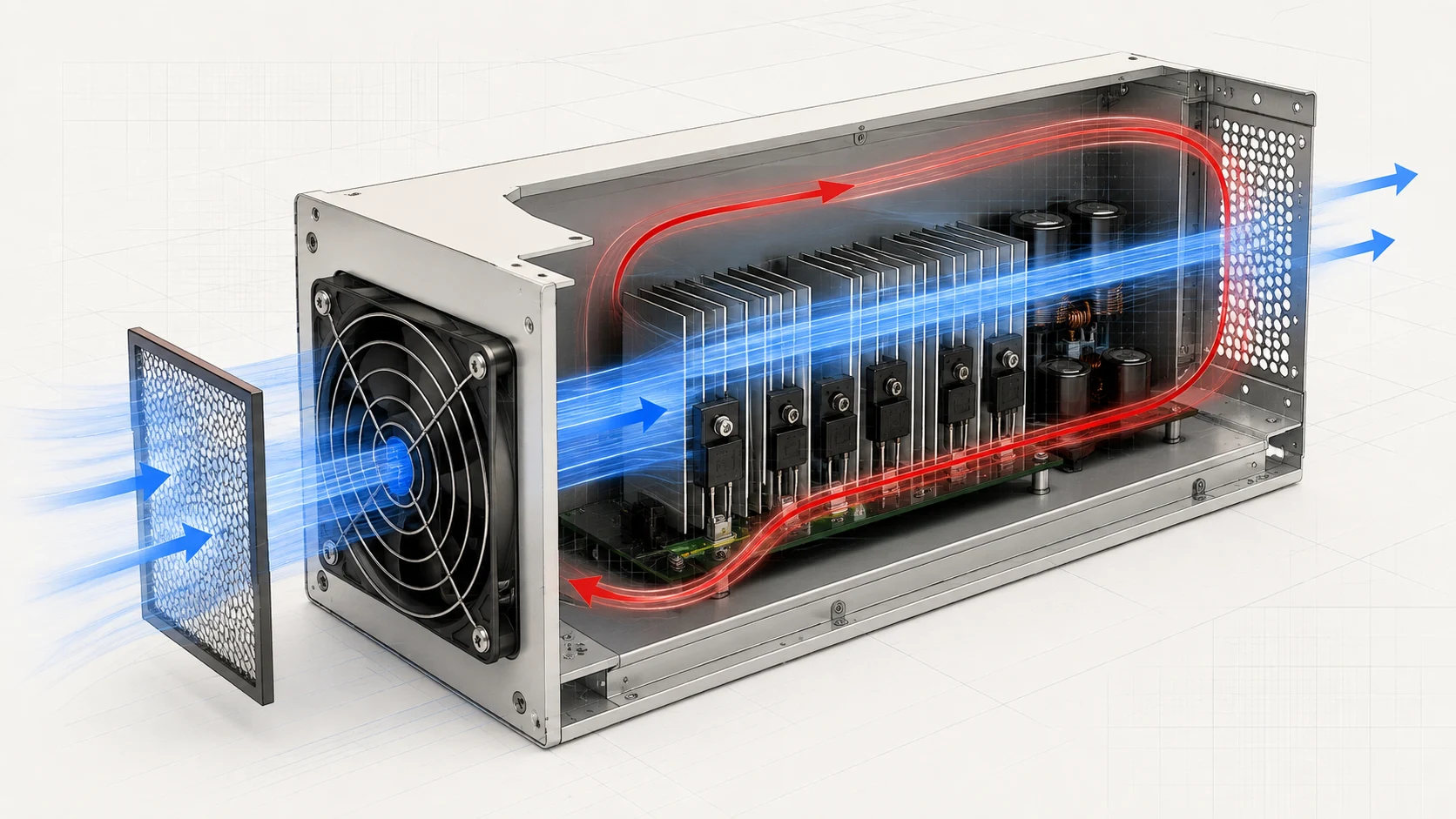
Avoid ten fan installation mistakes involving recirculation, bypass, grilles, filters and system effect, then validate a customized fan in the real airflow path.
Read Guide →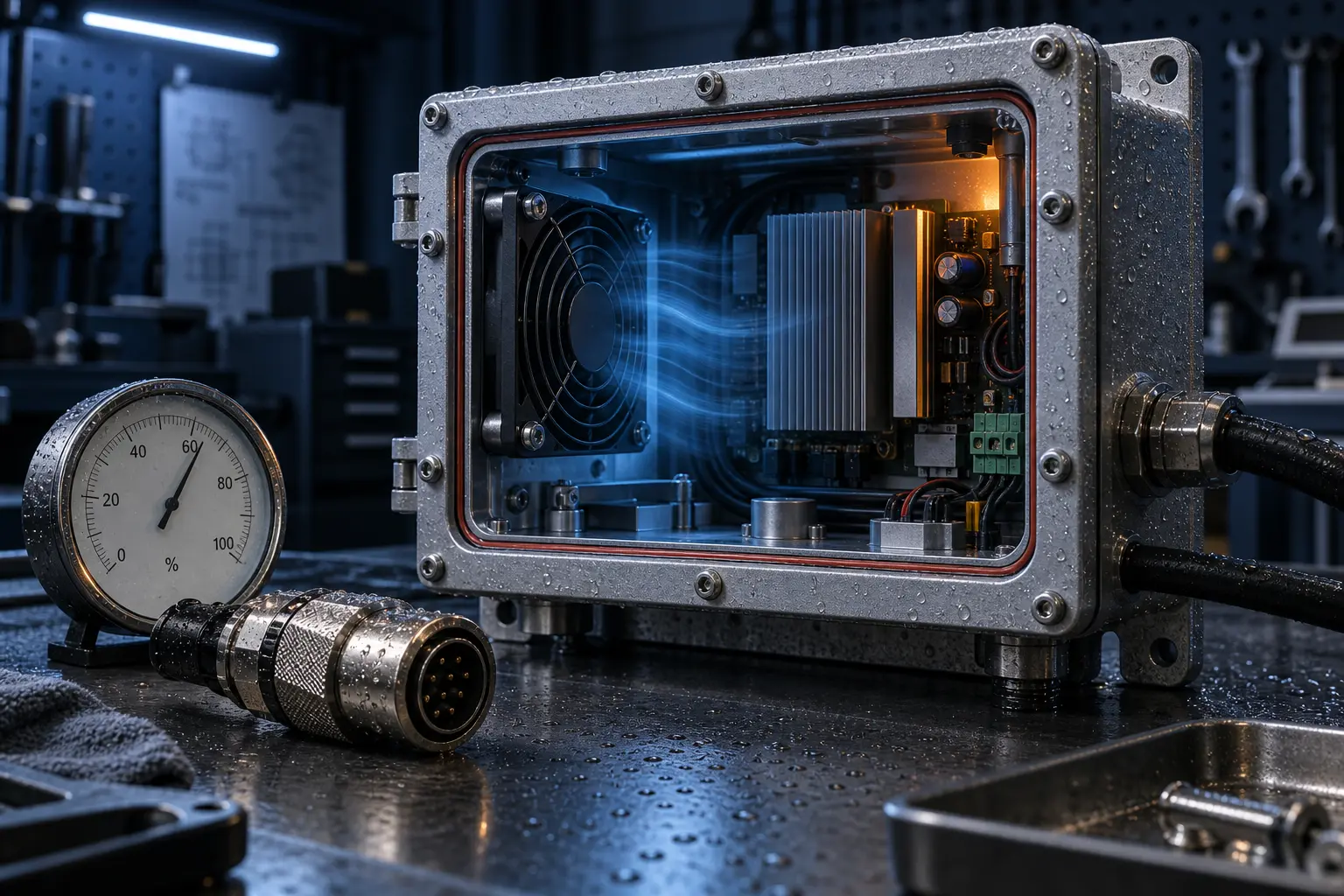
Specify cooling fan protection for dust, water, oil mist, humidity and condensation without confusing a fan IP rating with whole-product qualification.
Read Guide →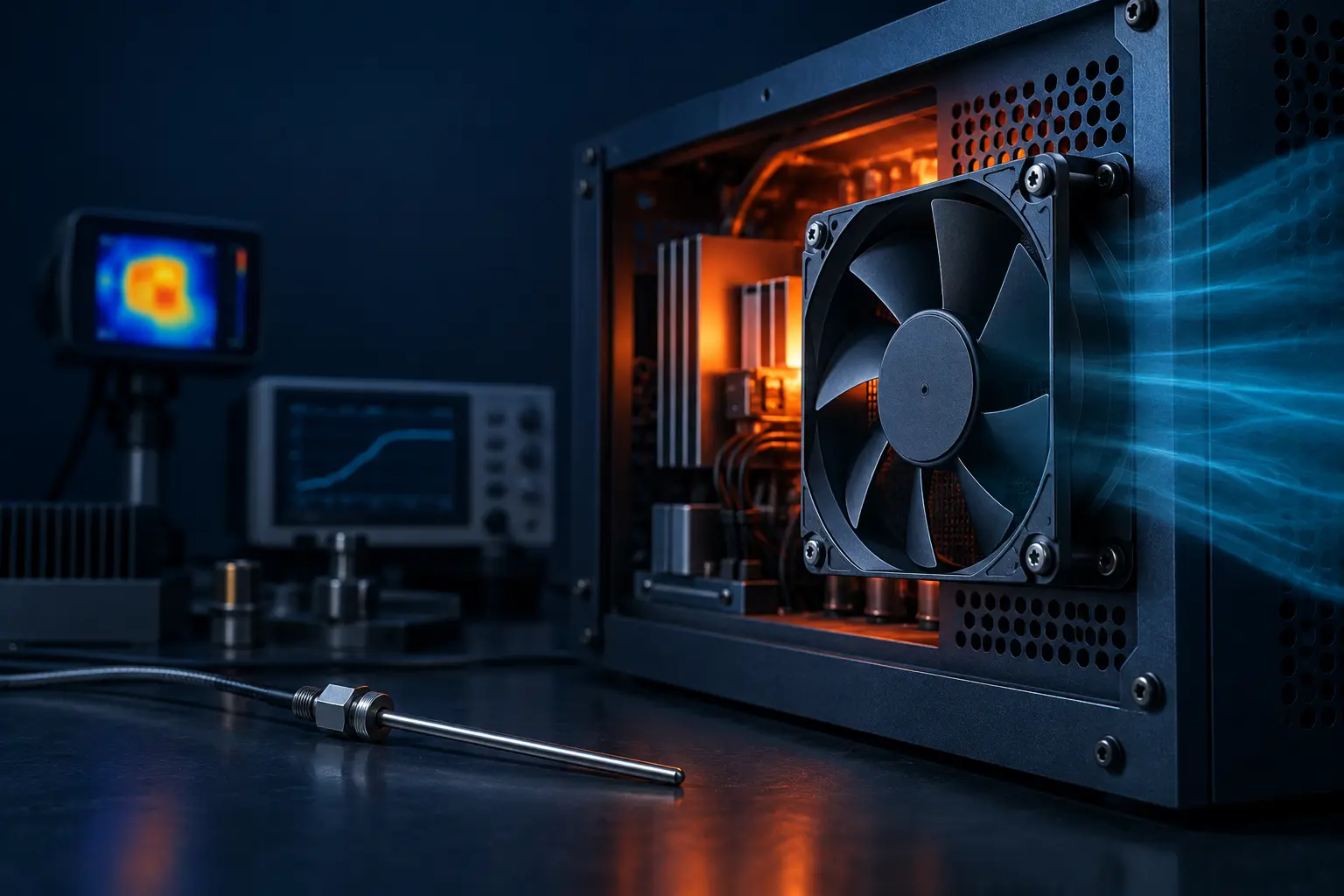
Select a cooling fan for hot or harsh environments by checking the real operating point, air density, bearing life, control interface, protection and sample validation conditions.
Read Guide →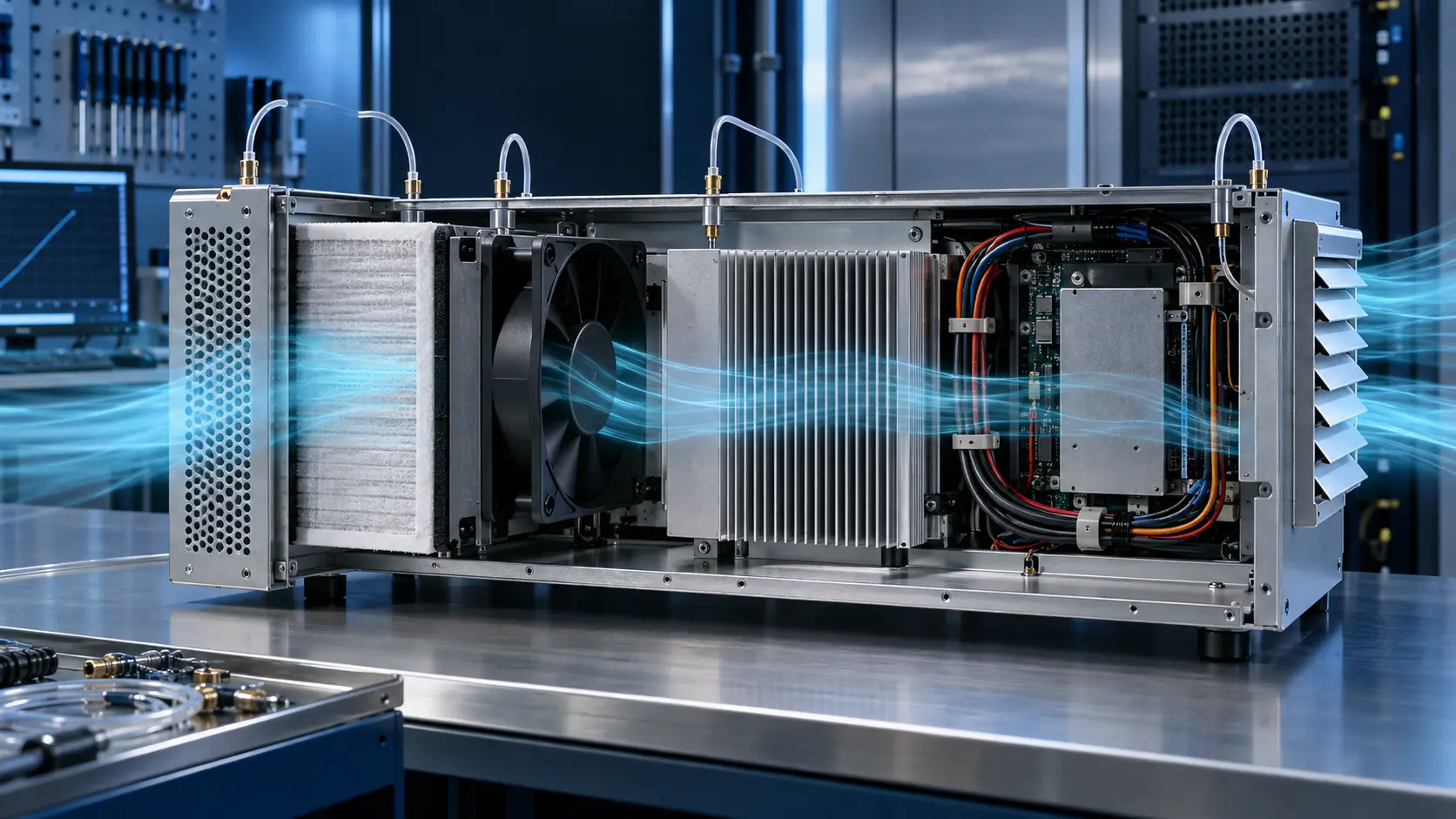
Build an electronics-enclosure pressure-drop budget for grilles, filters, heatsinks, cable routing and outlets, then decide whether geometry or fan pressure is the first fix.
Read Guide →Target airflow and static pressure at that airflow, available space, voltage tolerance, control signal, connector, noise limit, quantity and the temperature or ingress conditions. If you have a current fan, send its label and the system context rather than relying on frame size alone.
Start fan selection →