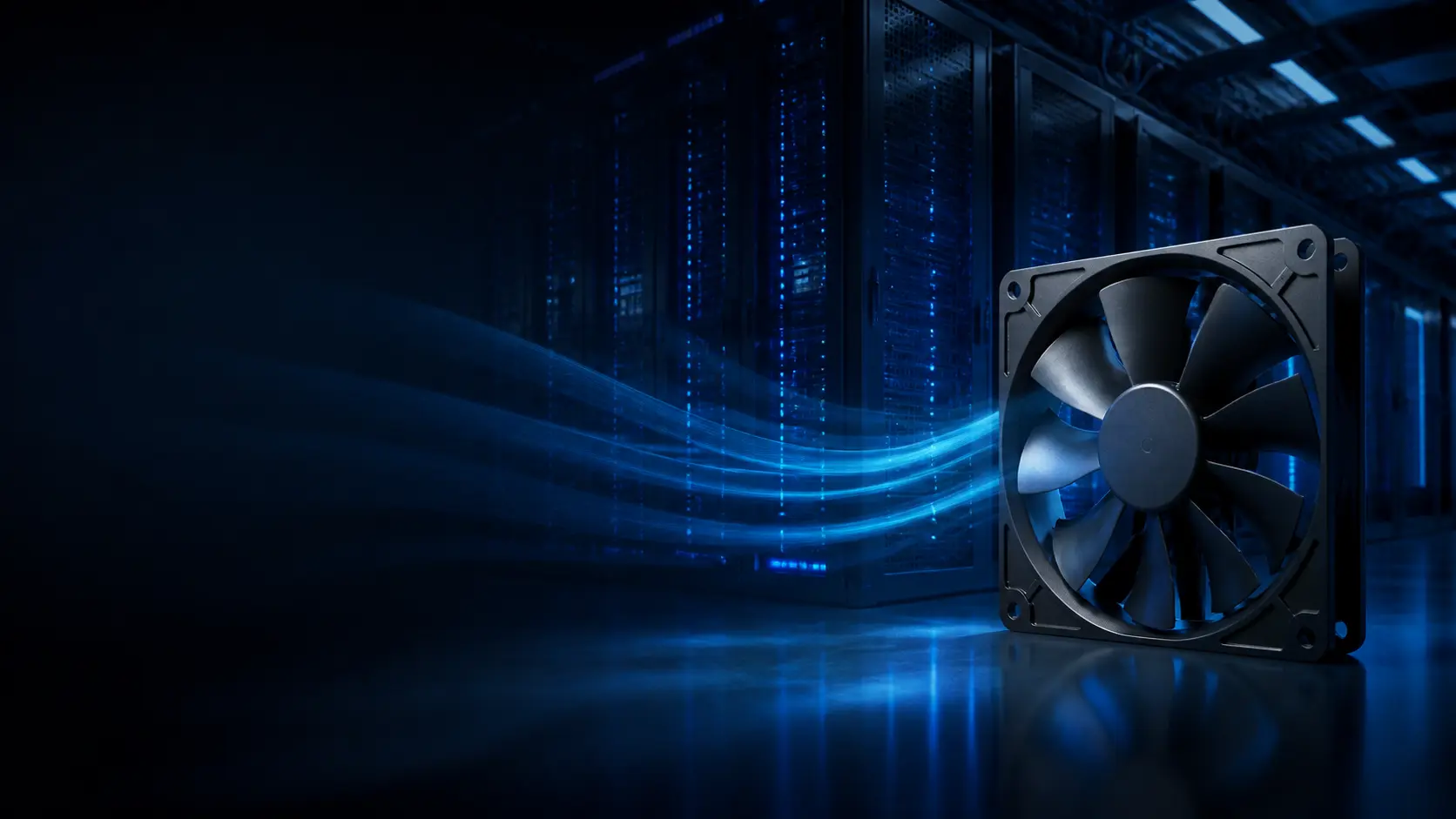
AI servers and racks
AI Data Center
Cooling decisions for high-density servers, fan trays, racks and supporting infrastructure.
- Key design check
- High heat density: verify airflow at the server or rack resistance, not free air.
 TECHCooling Solutions
Custom cooling fan applications
Explore application-specific engineering questions, from enclosure resistance and high ambient temperature to noise, control and validation. Each hub connects the cooling problem to practical selection guidance.
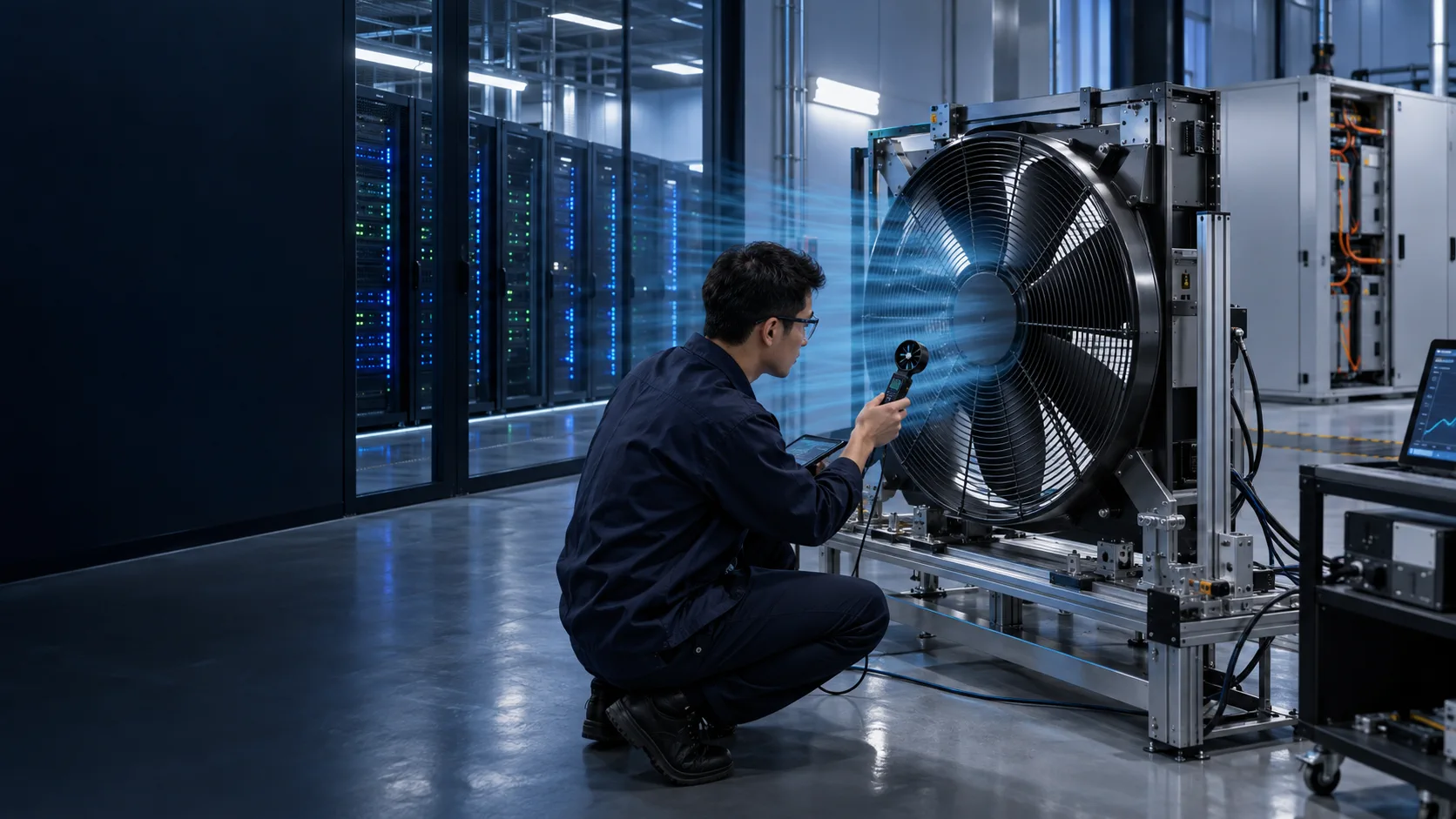
Choose your system
Select an application to review its constraints and related engineering articles.
AI servers and racks
Cooling decisions for high-density servers, fan trays, racks and supporting infrastructure.
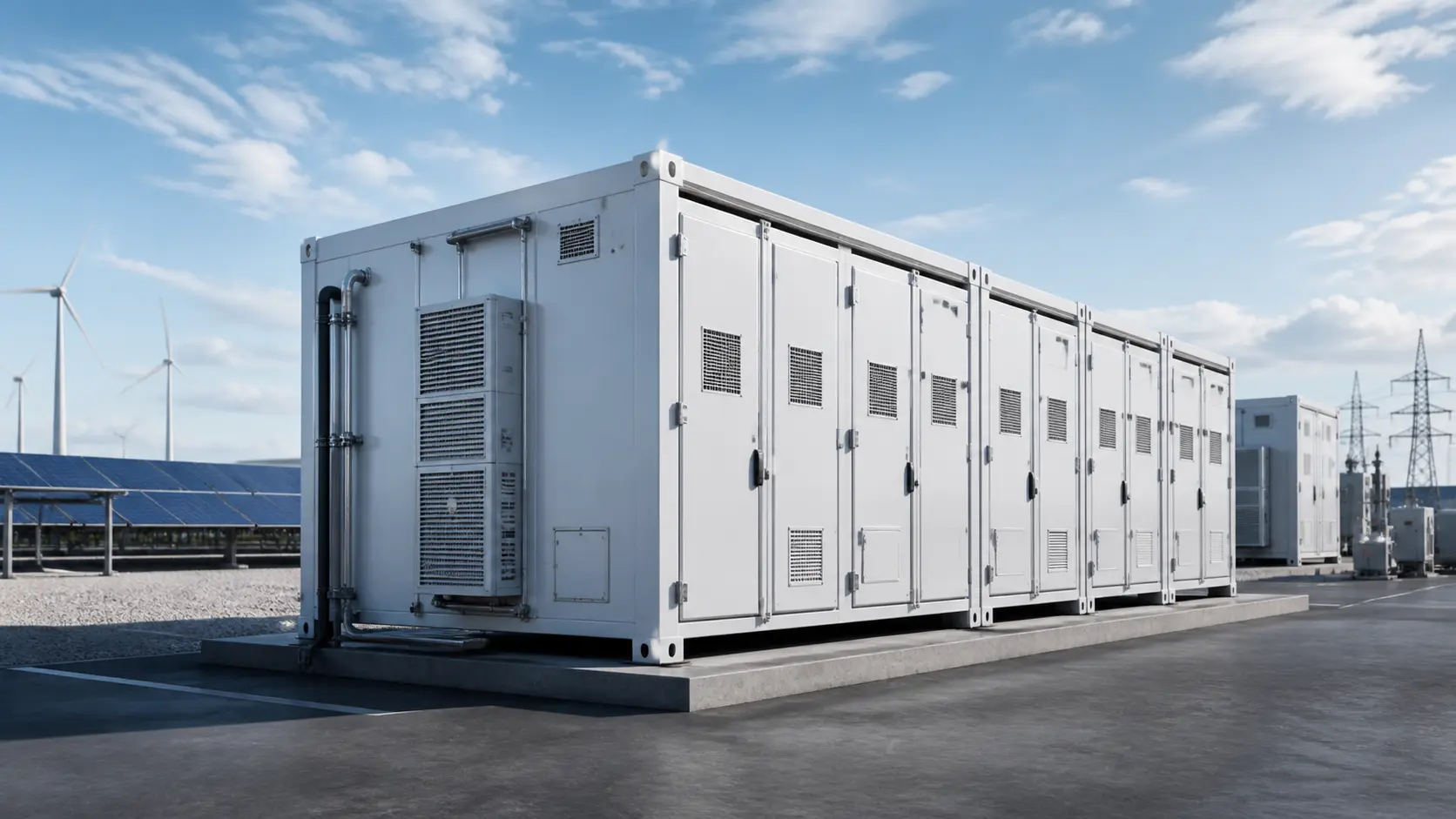
Battery storage
Airflow paths for battery cabinets operating through load cycles, weather and maintenance states.
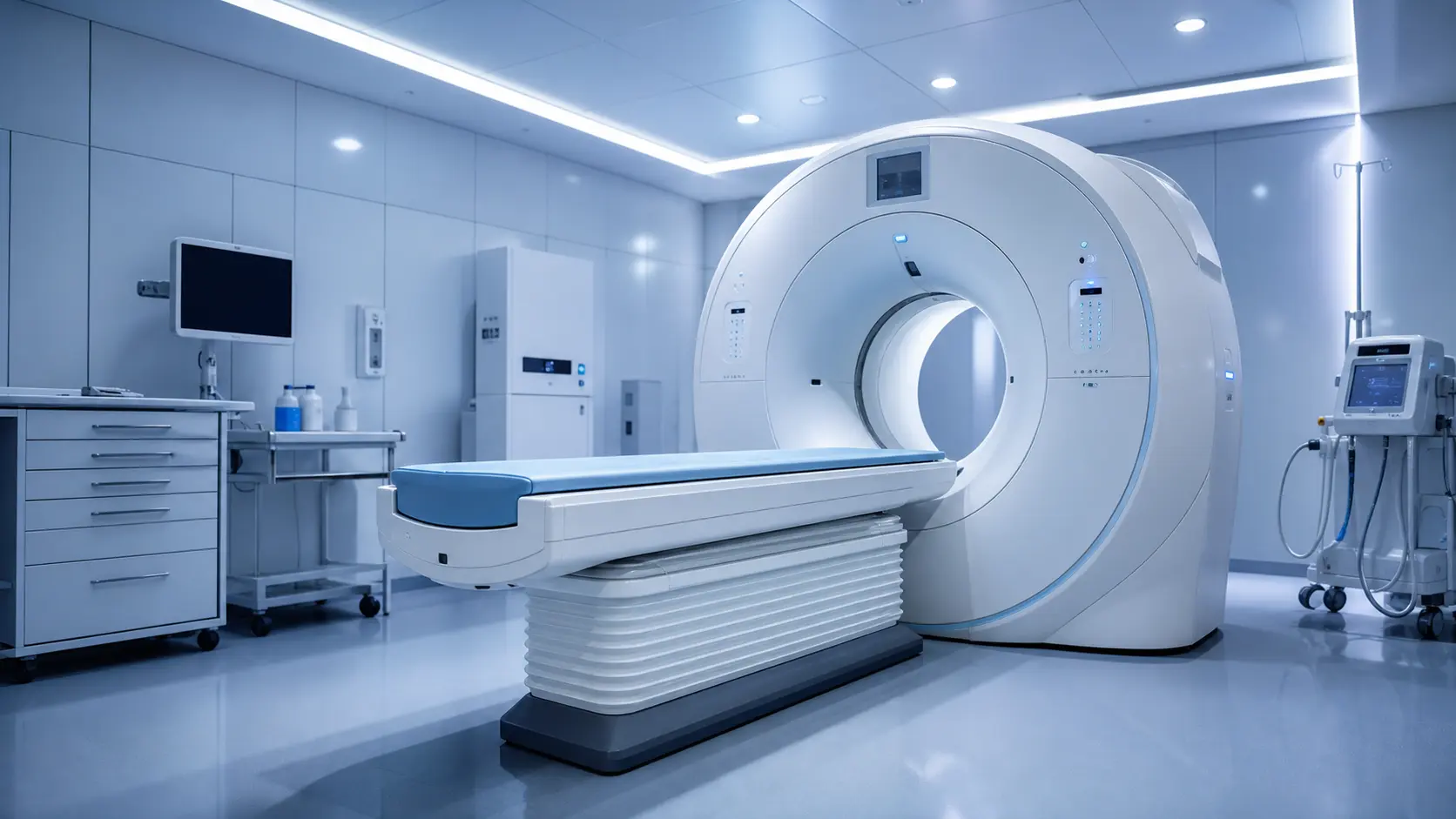
Clinical equipment
Cooling choices for devices where acoustic performance, vibration and availability all matter.
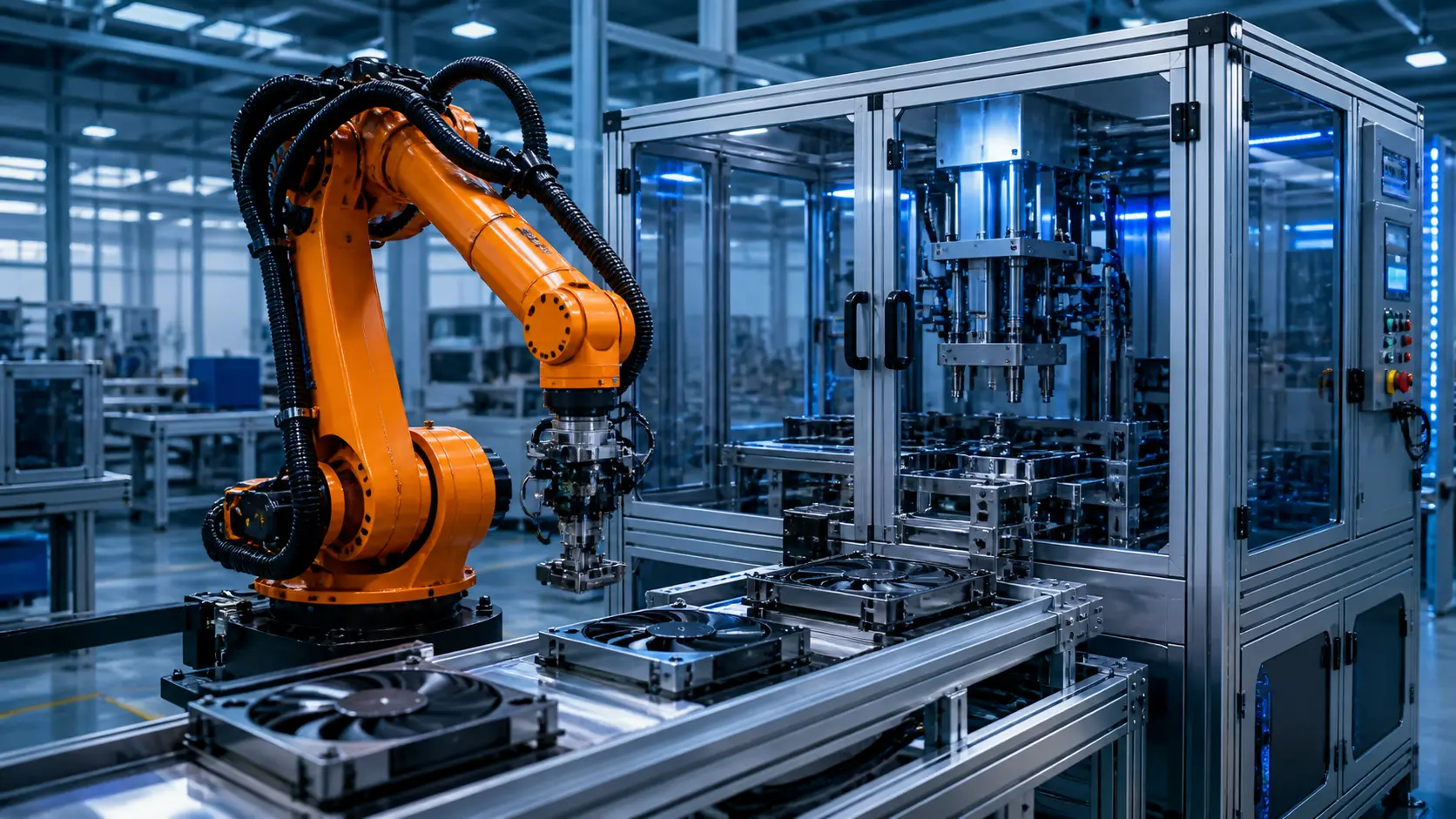
Drives and controls
Cooling for cabinets and power electronics exposed to dust, heat, vibration and voltage variation.
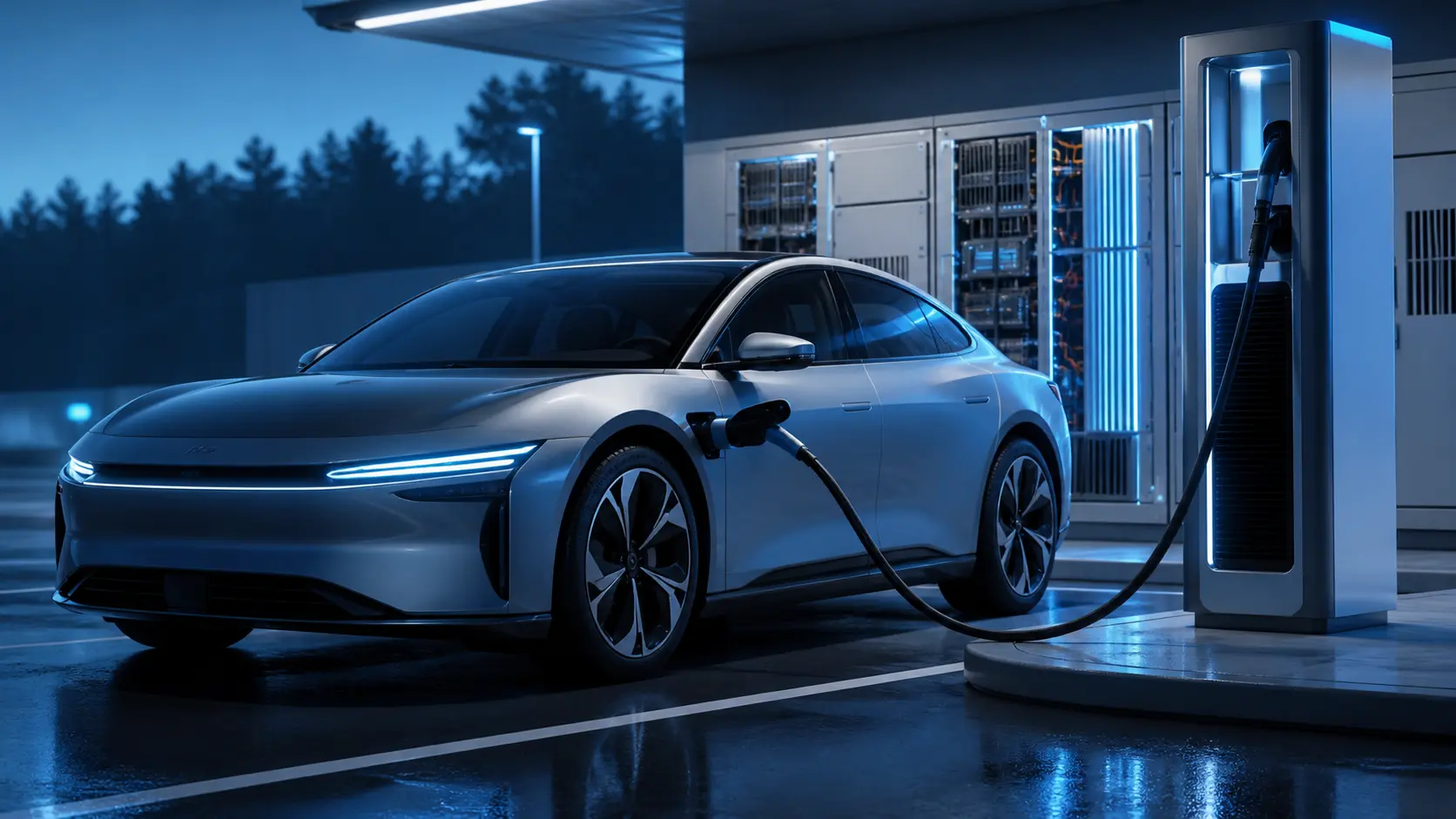
Charging and power electronics
Cooling for chargers, converters and vehicle electronics with outdoor and cycling constraints.
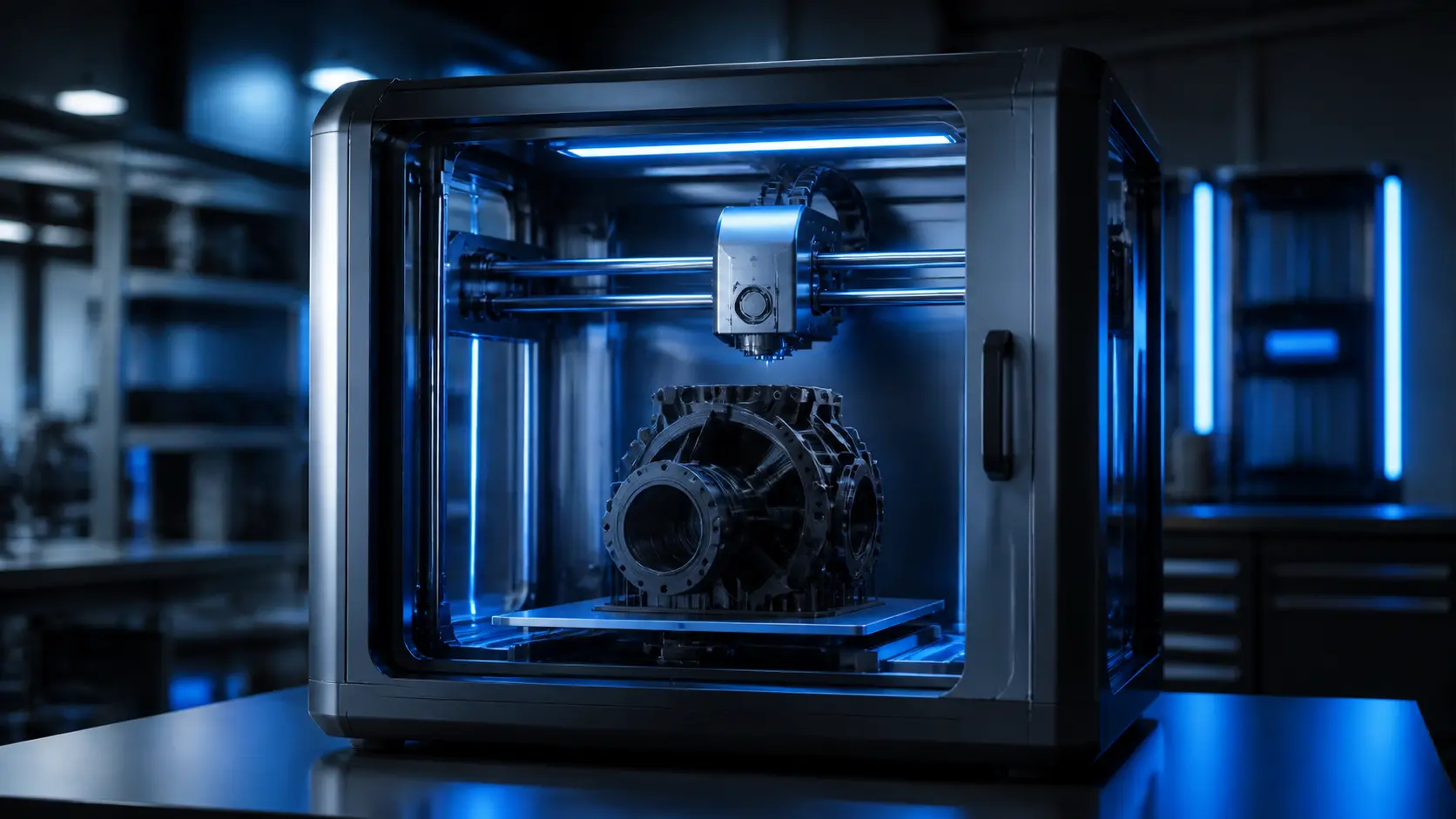
Thermal process equipment
Cooling and circulation choices for hotends, chambers, electronics bays and filtered enclosures.
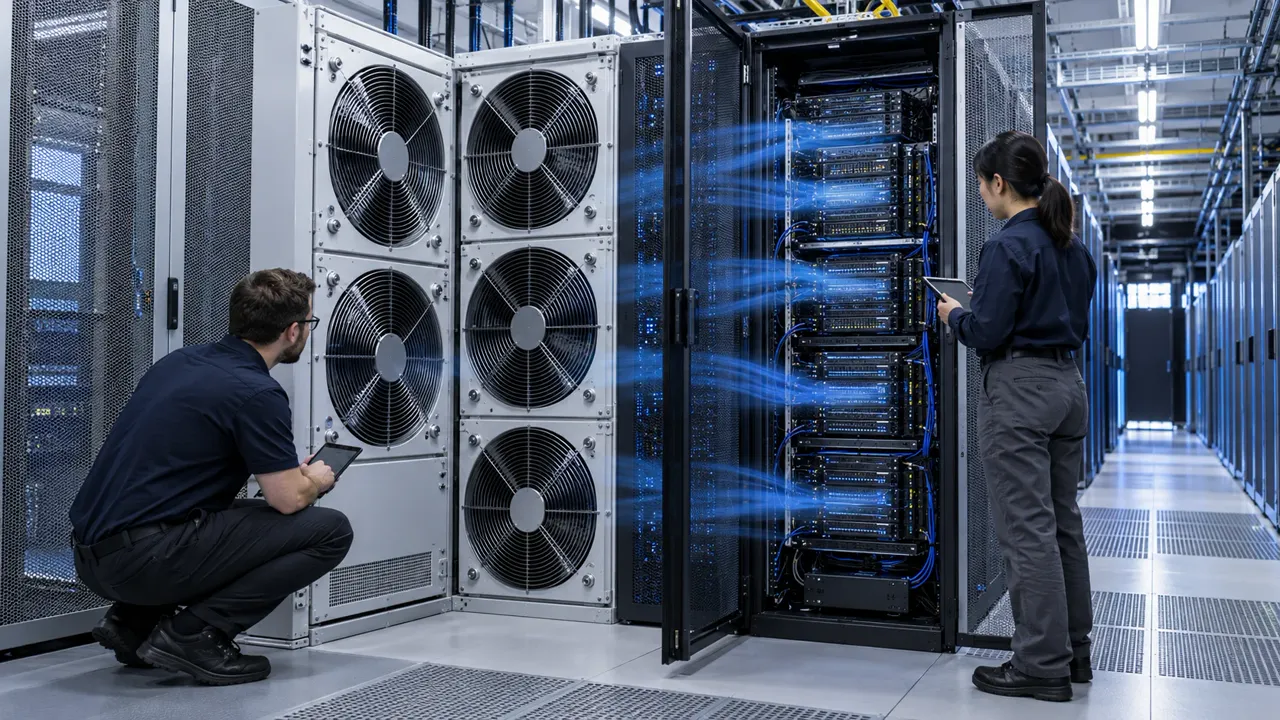
Fan Wall
Custom cooling fans developed and manufactured for fan selection, air-path review, sample validation and volume production; complete Fan Wall cabinets are outside our scope.
Review Fan Wall fan solutions →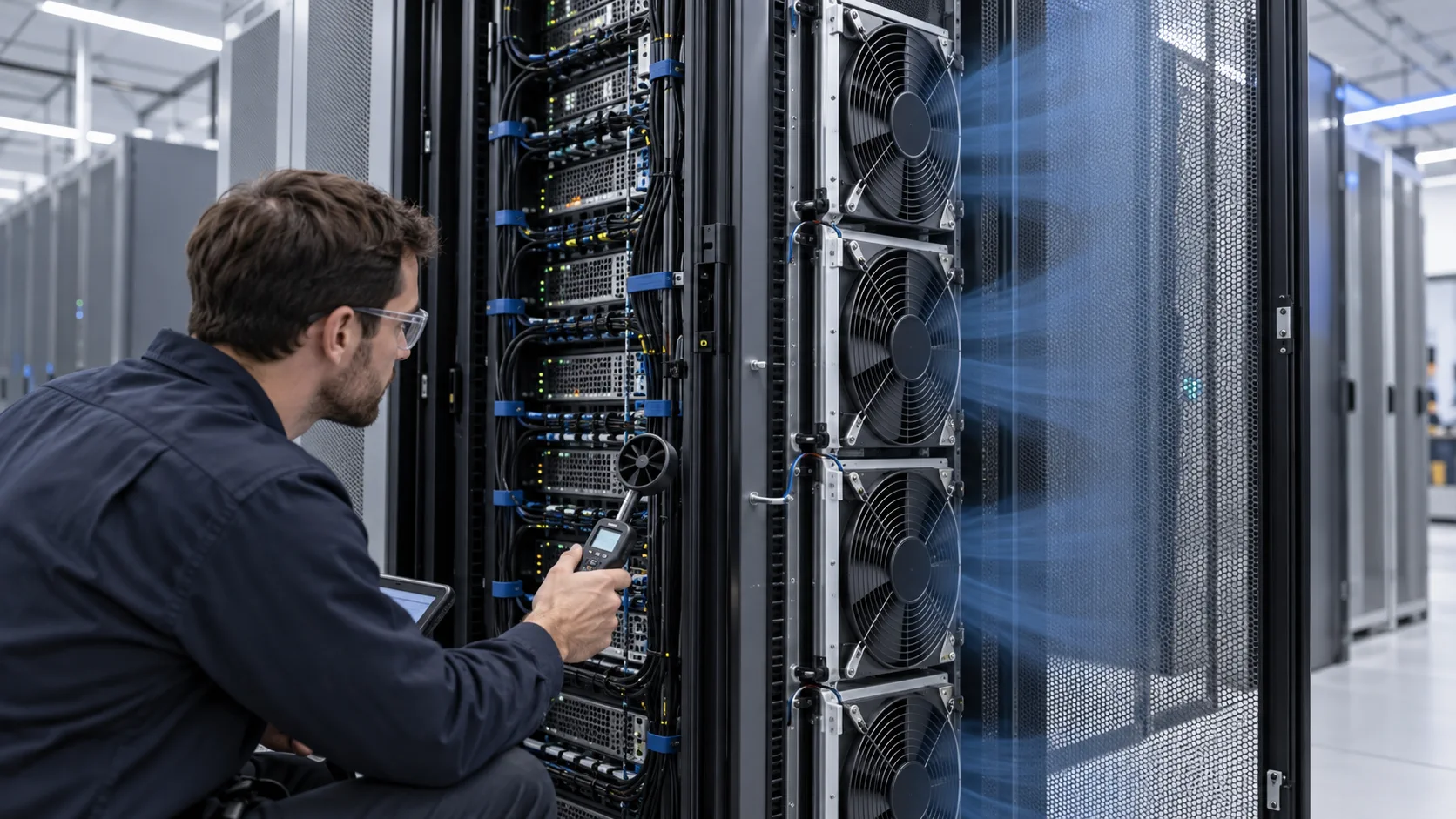
Rear-door heat exchanger
Custom cooling fans developed and manufactured for fan selection, air-path review, sample validation and volume production; complete RDHx units, coils and liquid loops are outside our scope.
Review RDHx fan solutions →How custom development works
We select and customize DC fan solutions around the operating point in your assembly. A sample should be checked in the real airflow path before a production decision is made.
See the full development process →From prototype to production
See how an engineering review can develop into sample validation, pilot production and repeatable volume manufacturing.
Prototype development
Follow the sample path from hotend and part-cooling requirements to noise, vibration and repeatable validation.
Read the prototype case →Pilot validation
Review pressure, outdoor conditions, redundancy and feedback before moving a charger design into pilot production.
Read the pilot case →Volume production
Move from a replacement requirement to a source-backed fan choice, sample checks and a repeatable production specification.
Read the production case →Prepare a design review
Share the target airflow and static pressure, available space, voltage tolerance, control signal, connector, noise limit, quantity and the temperature or ingress conditions. If you have a current fan, send its label and the system context rather than relying on frame size alone.