Acoustic Limits
Low noise for patient and clinical spaces.
 TECHCooling Solutions
Application cooling
Low-noise, high-reliability cooling for medical systems.
Imaging, diagnostics and patient-care equipment must run quietly, reliably and without unplanned failure. We engineer fan packages that hold strict acoustic and availability targets while keeping electronics in a safe temperature band.
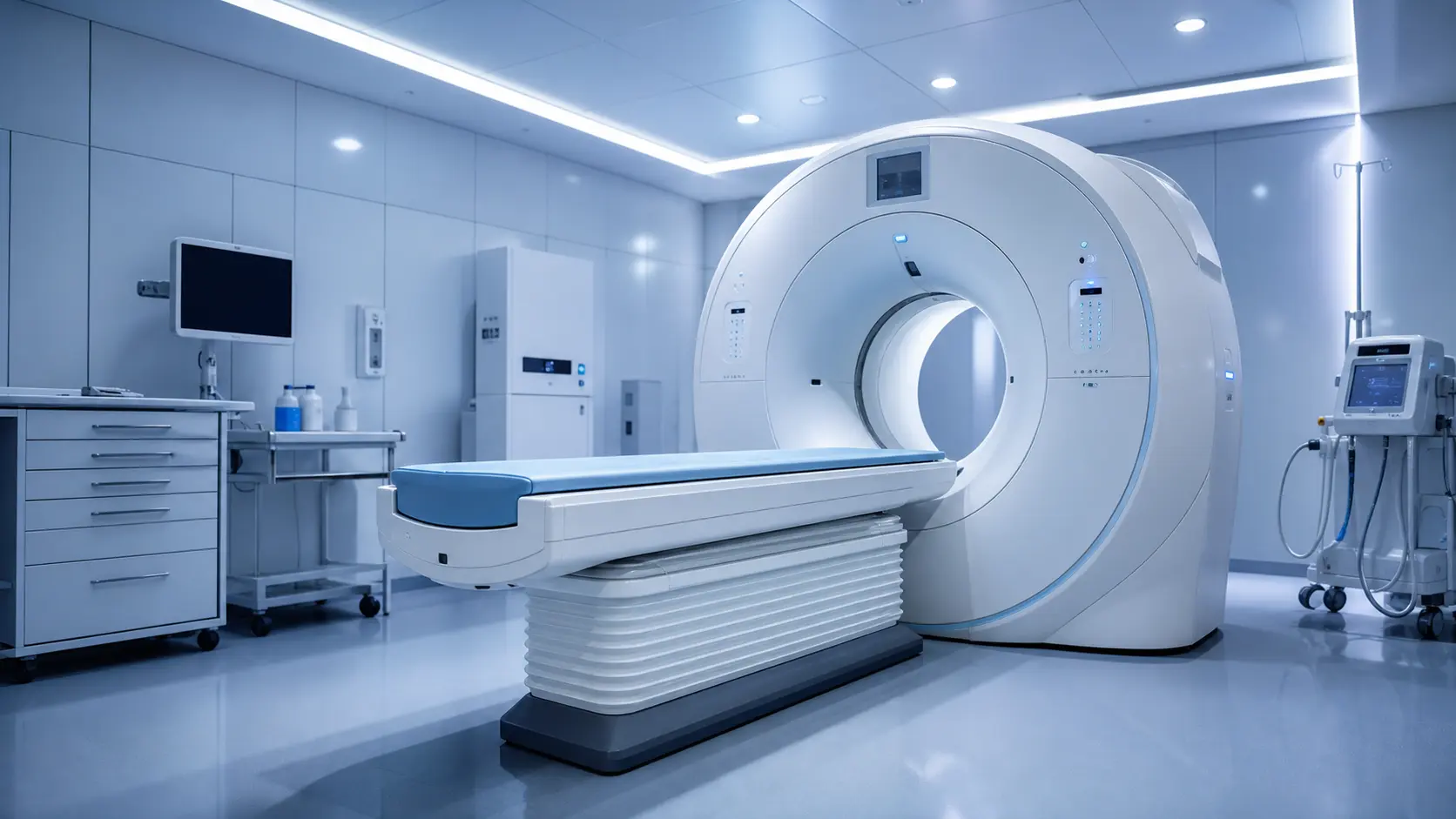
Low noise for patient and clinical spaces.
Availability matters in patient care.
Dense heat from imaging and compute.
Sealed, filtered builds that meet hygiene rules.
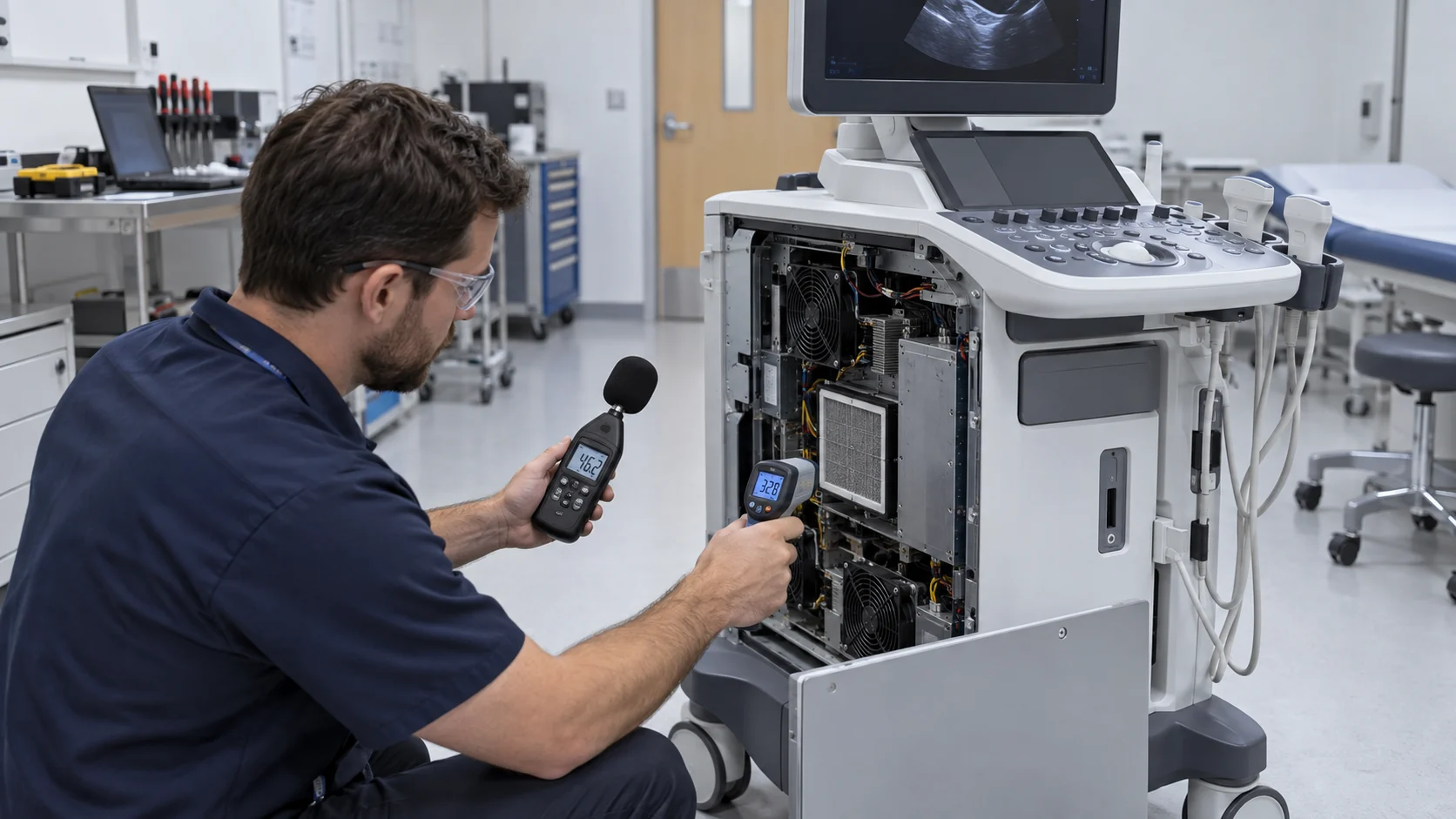
A practical guide to selecting and validating cooling fans for ultrasound and diagnostic-imaging consoles when acoustic comfort, filter pressure, EMC, cleanability and single-fault response all matter.
Read Article →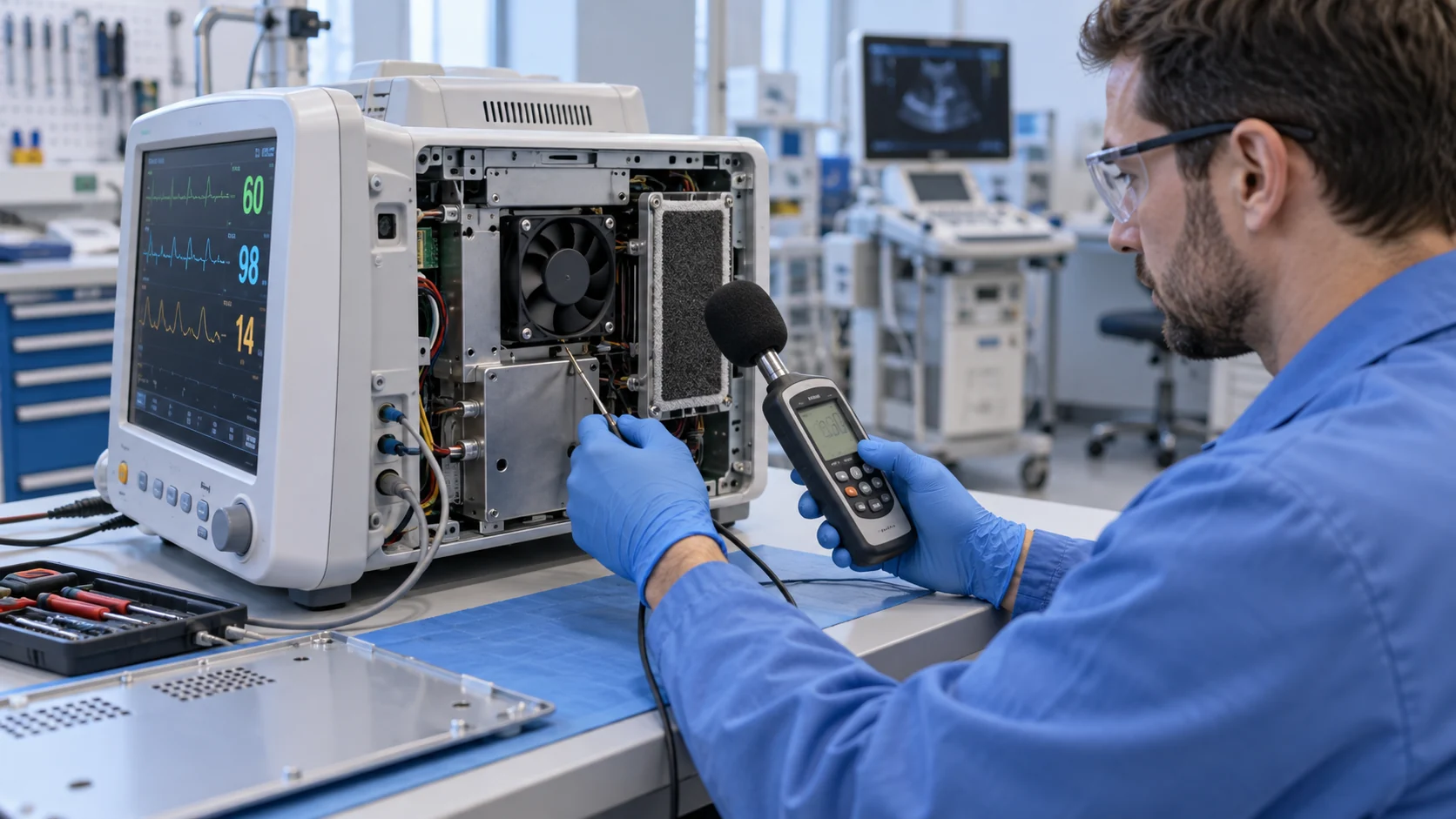
A practical guide to selecting and validating cooling fans for medical monitors, ultrasound consoles and laboratory equipment when noise, filter pressure, EMC, cleaning and single-fault response all matter.
Read Article →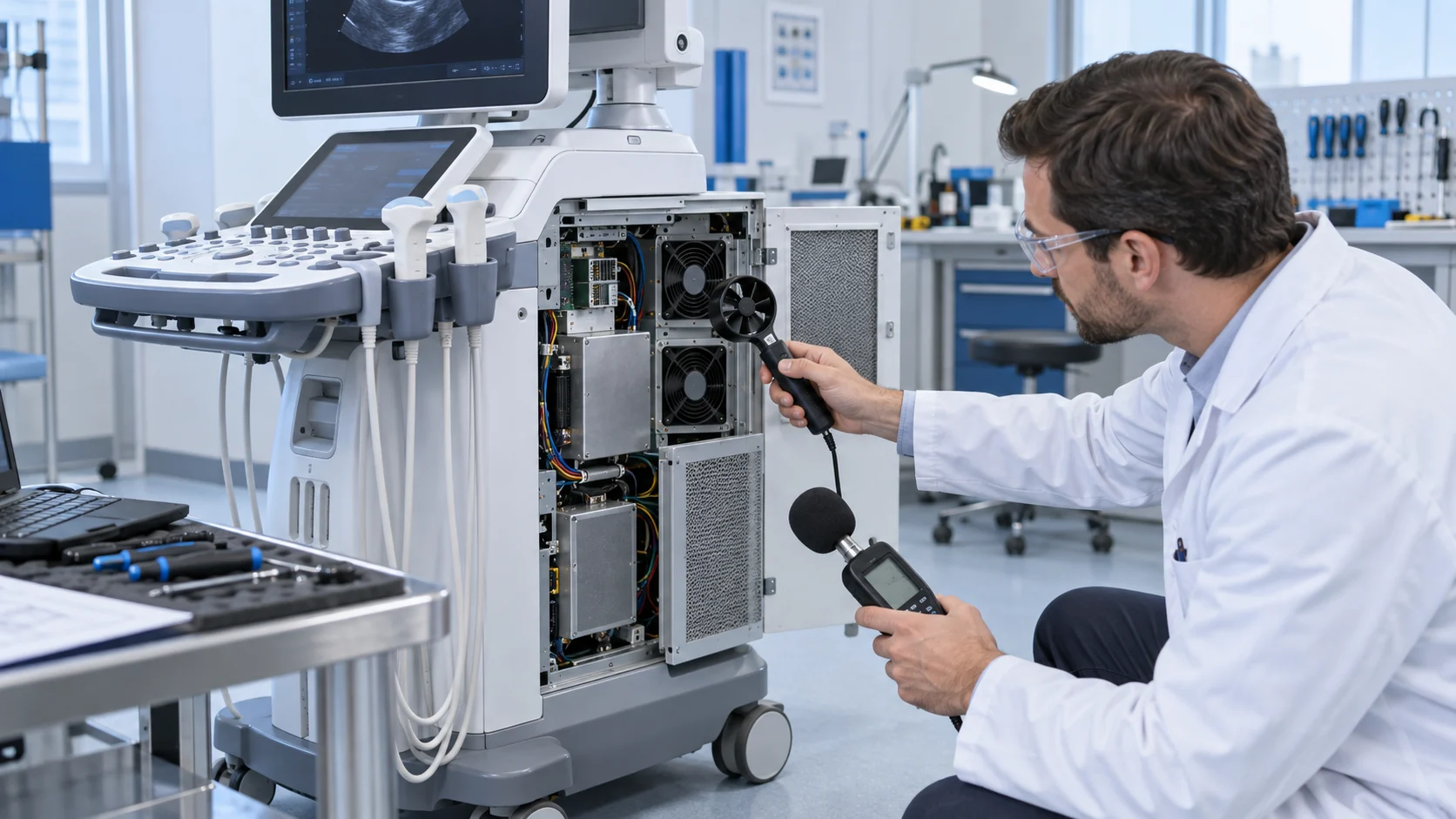
A practical engineering guide to cooling ultrasound and diagnostic consoles when acoustic limits, cleanable air paths, filter loading, fan faults and service access must be validated together.
Read Article →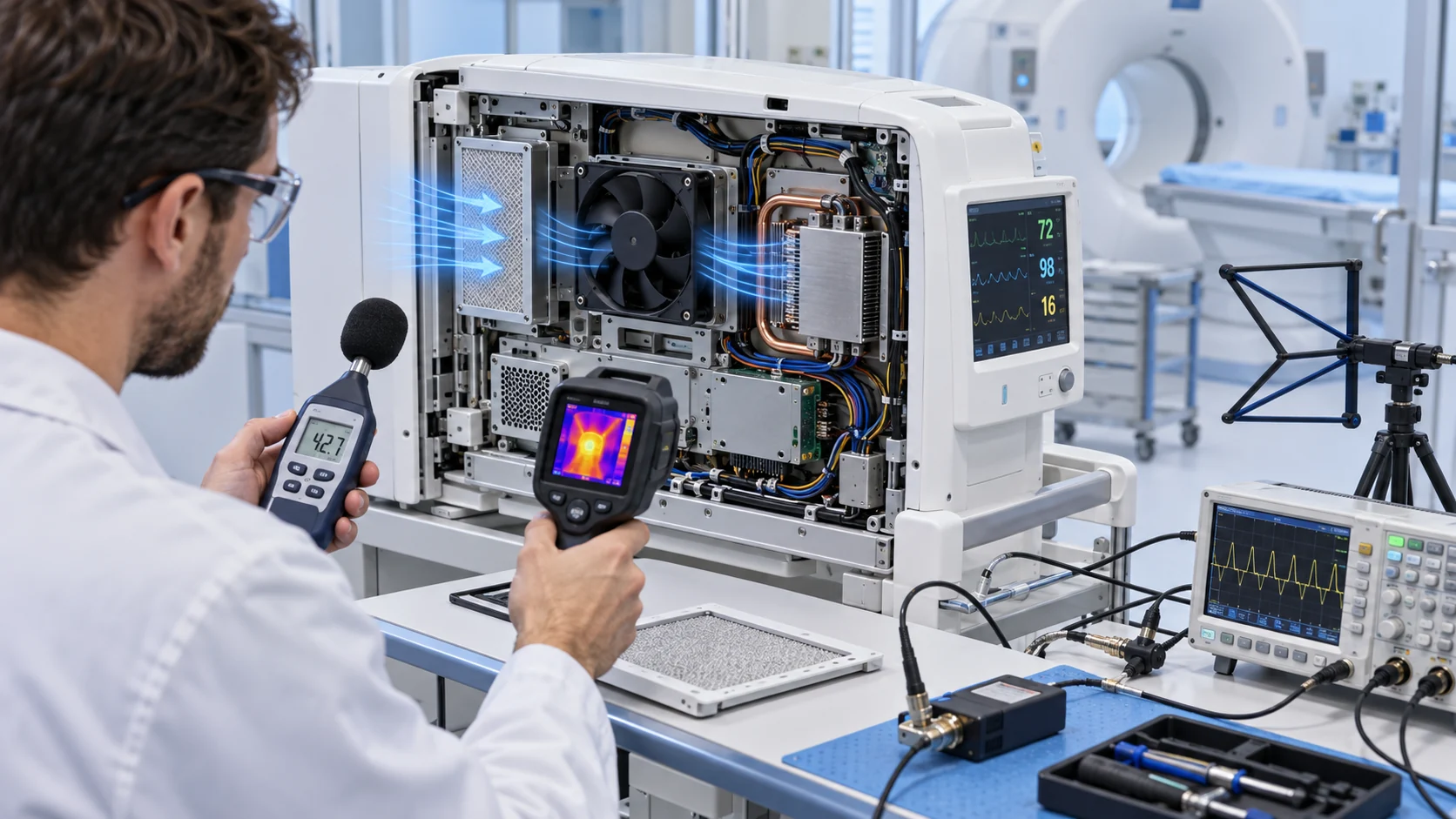
How medical-equipment engineers can validate cooling airflow, acoustic behavior, fan feedback, EMC robustness and thermal response without treating the fan as a stand-alone component.
Read Article →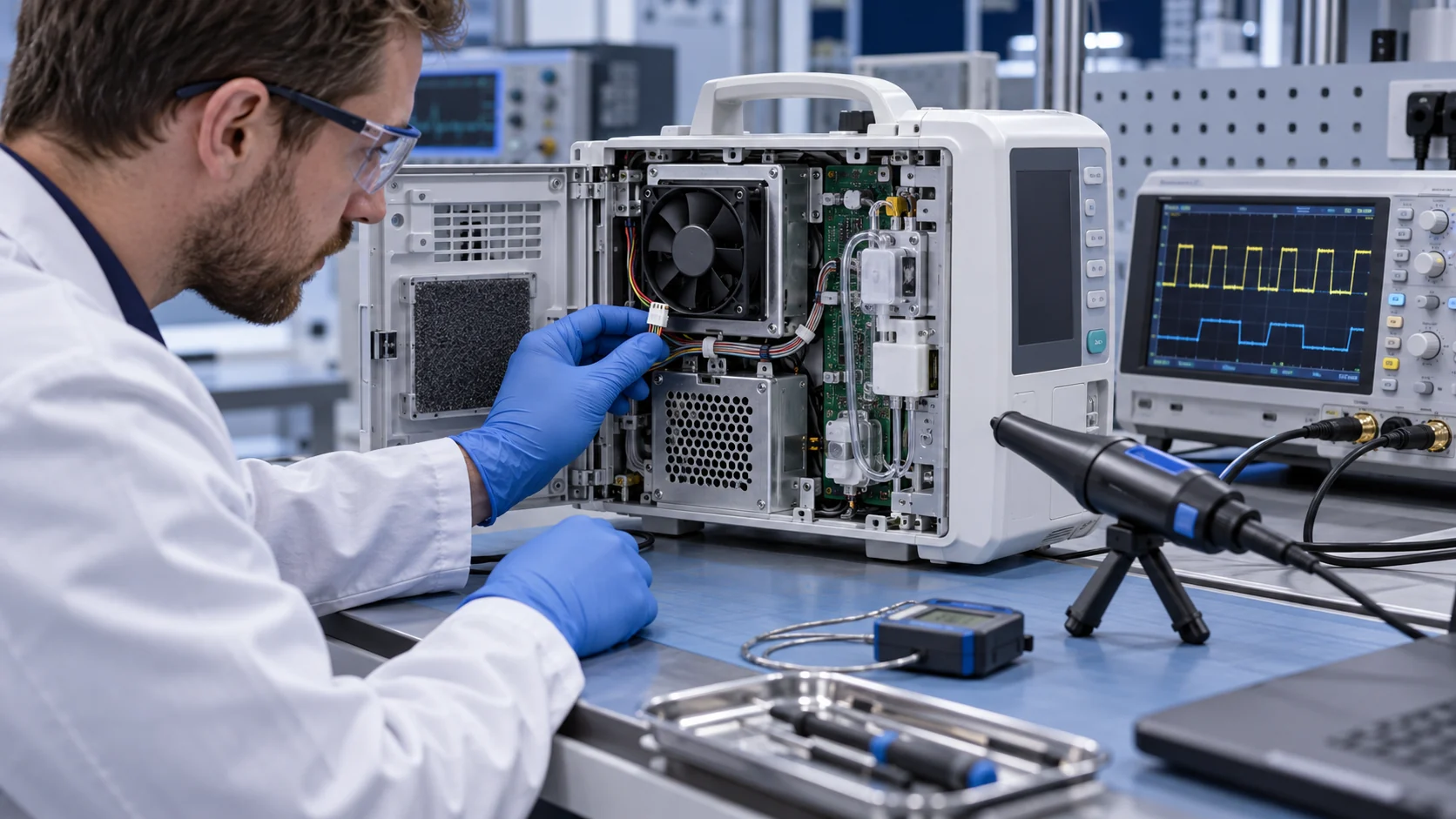
How medical-device engineers should validate cooling-fan feedback, alarm response, EMC-sensitive states, thermal margin and maintenance boundaries.
Read Article →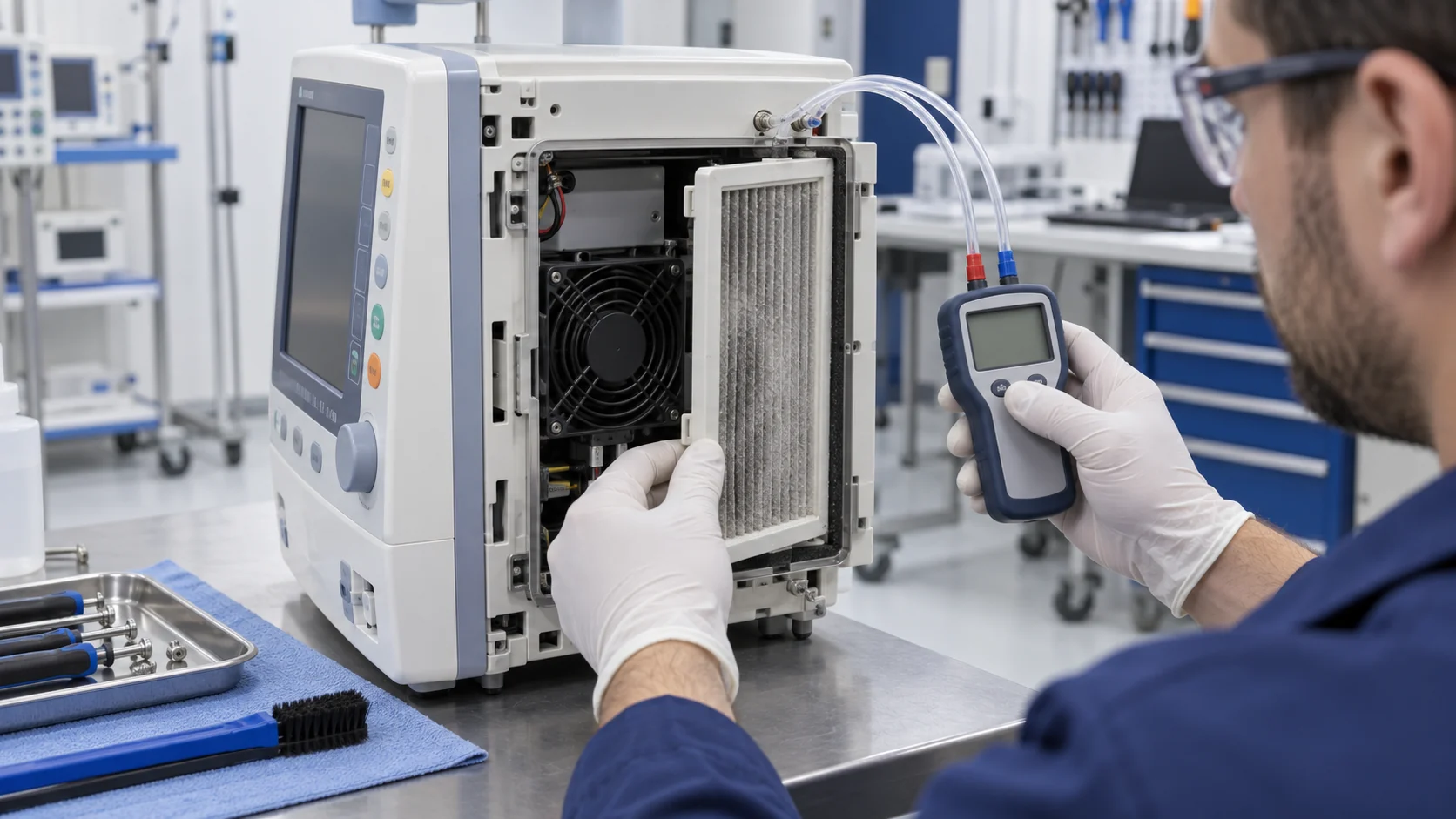
How medical-equipment engineers should validate clean, loaded and post-service filter states before fan and maintenance decisions are released.
Read Article →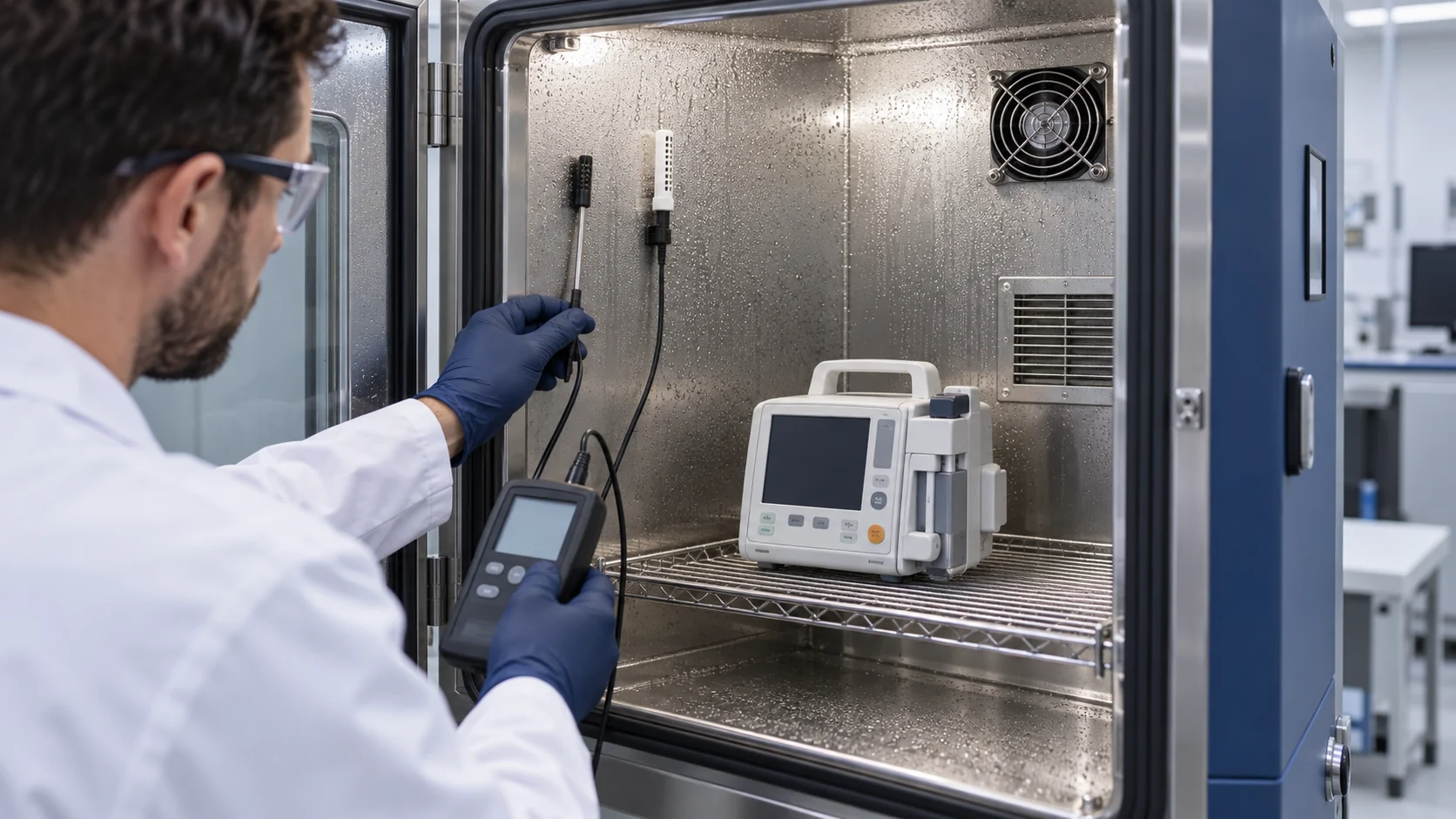
How medical-equipment engineers should validate dew point, airflow, fan placement, moisture ingress and warm restart before approving a cooling design.
Read Article →
A practical validation method for fan feedback, restricted airflow, alarm latency, derating and single-fault response in medical equipment.
Read Article →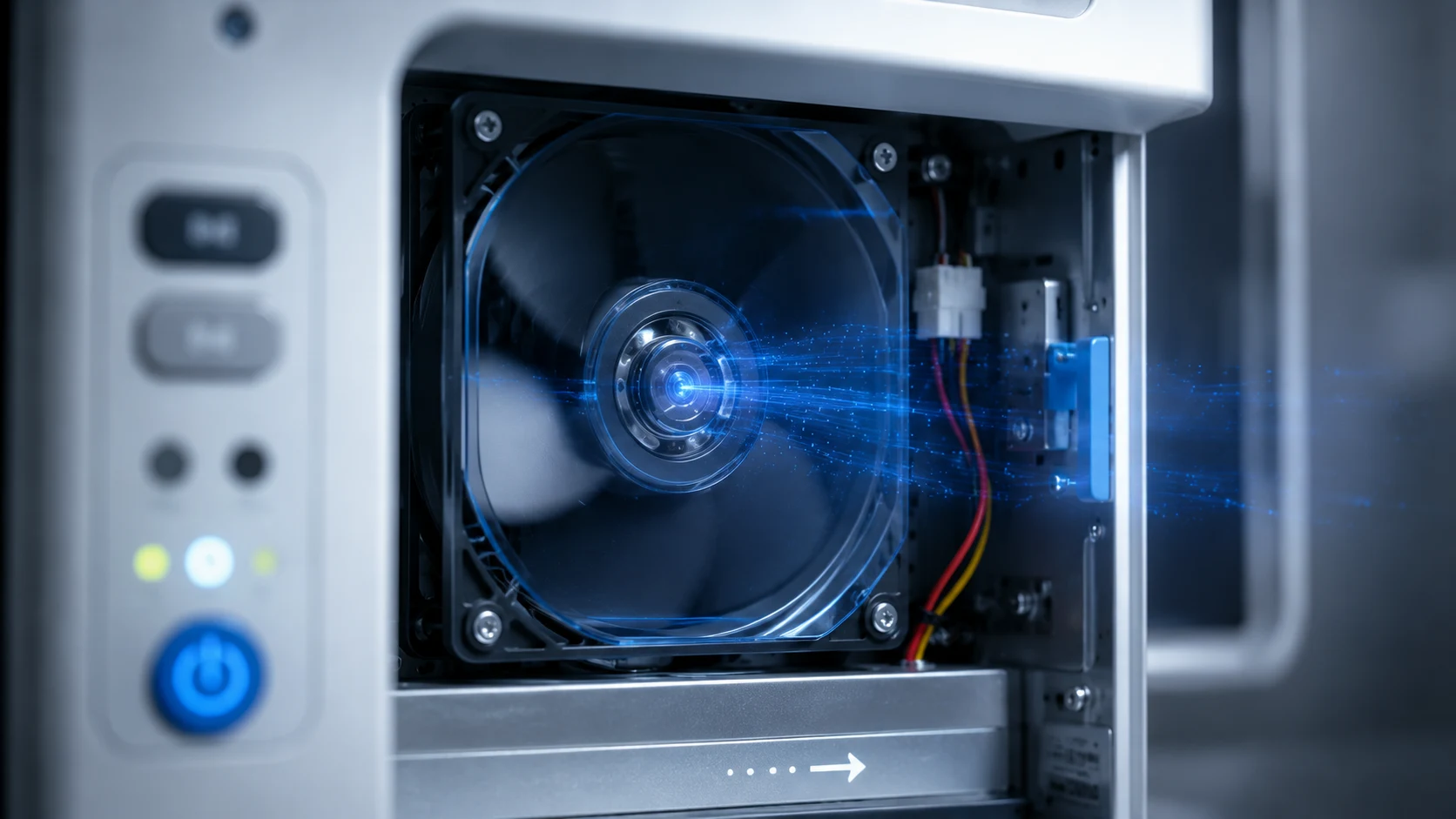
A hospital fan lives or dies by its bearing: how customized, sample-validated design turns L10 life and fail-safe signals into reliable production.
Read Article →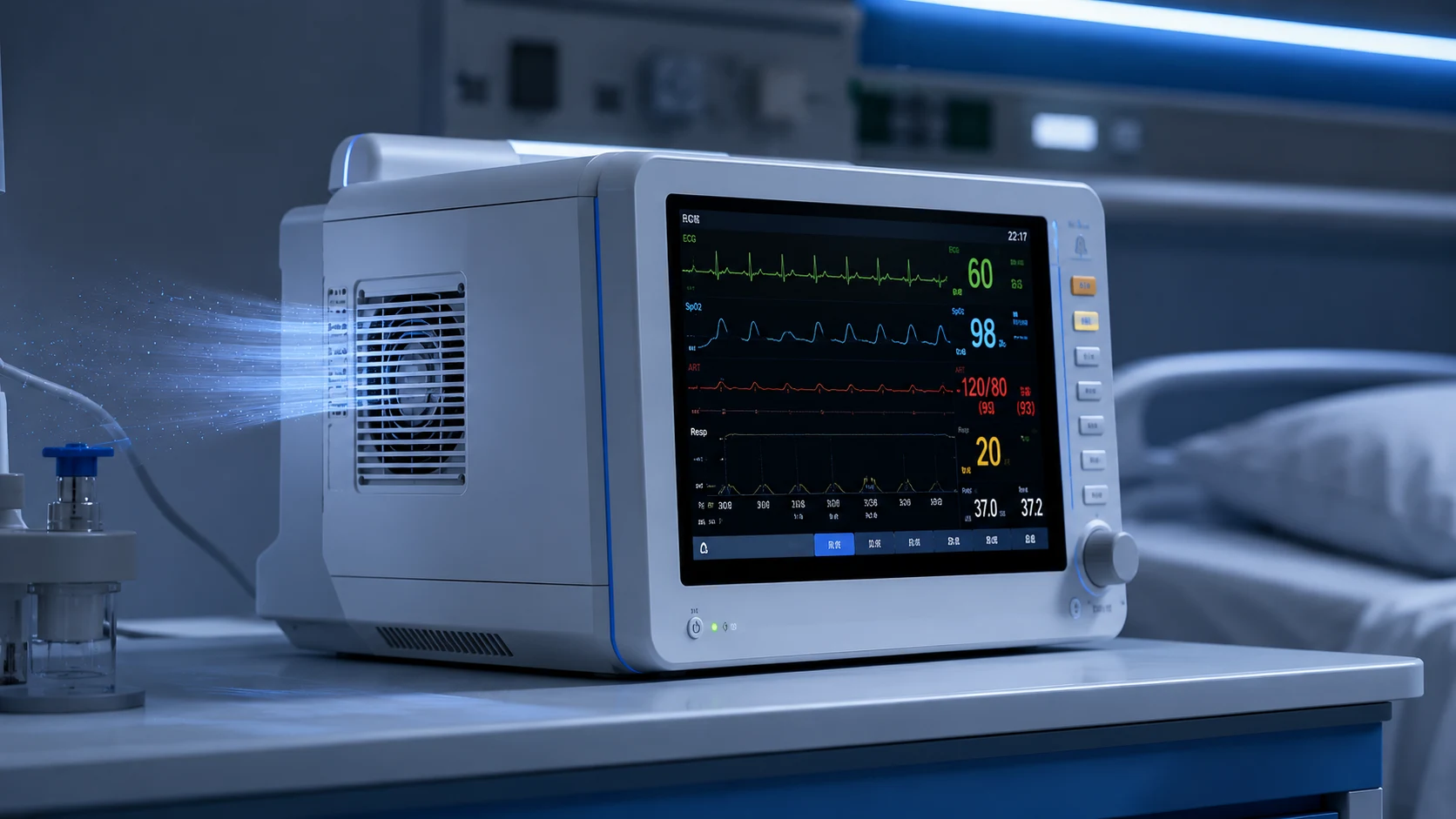
The same fan is 25 dB at one tap and 46 dB at another: develop a customized, sample-validated medical fan around the real device air path.
Read Article →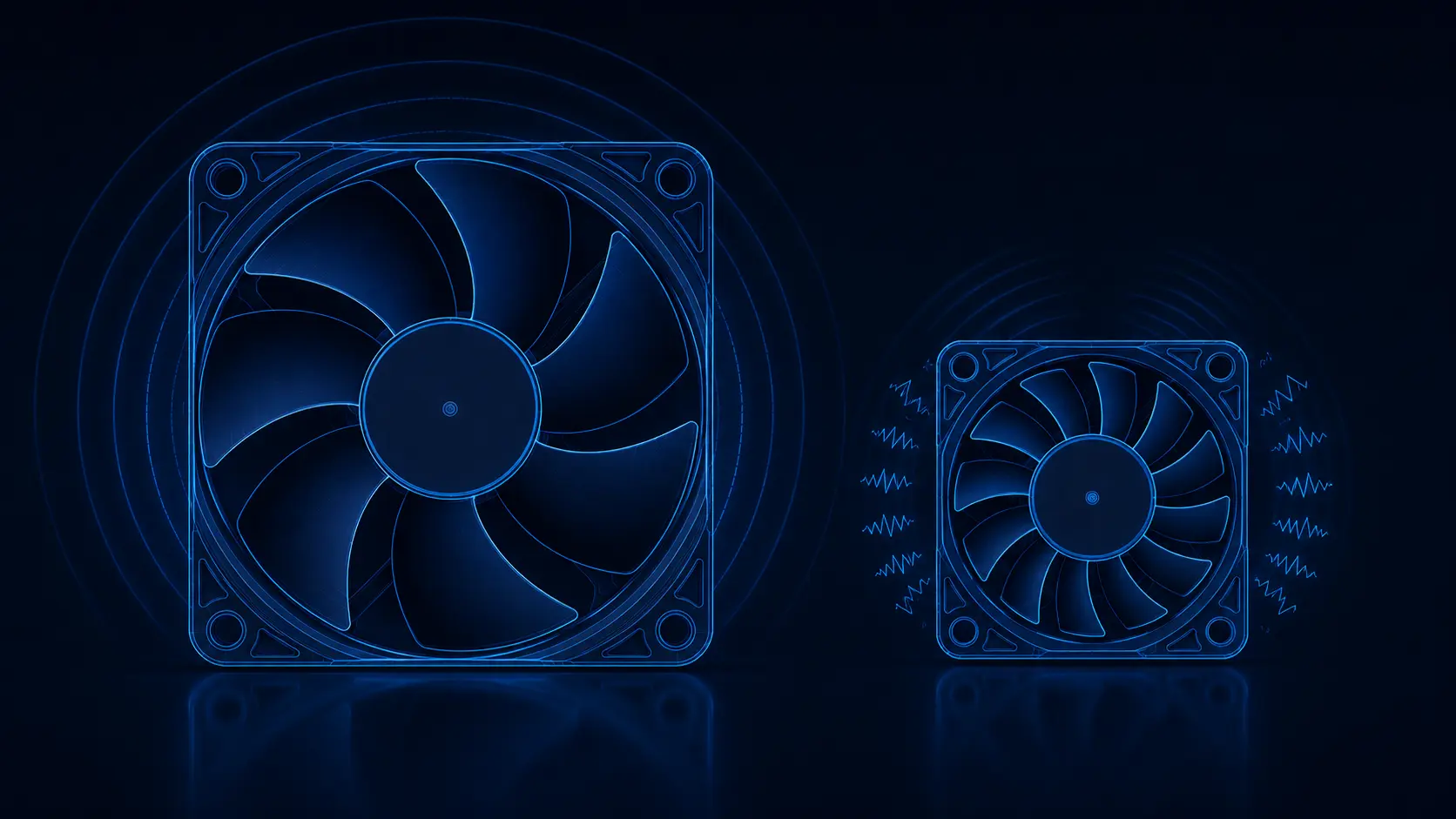
A bench-passing pump failed on a real ward — what quiet, reliable and sample-validated cooling means for medical equipment.
Read Article →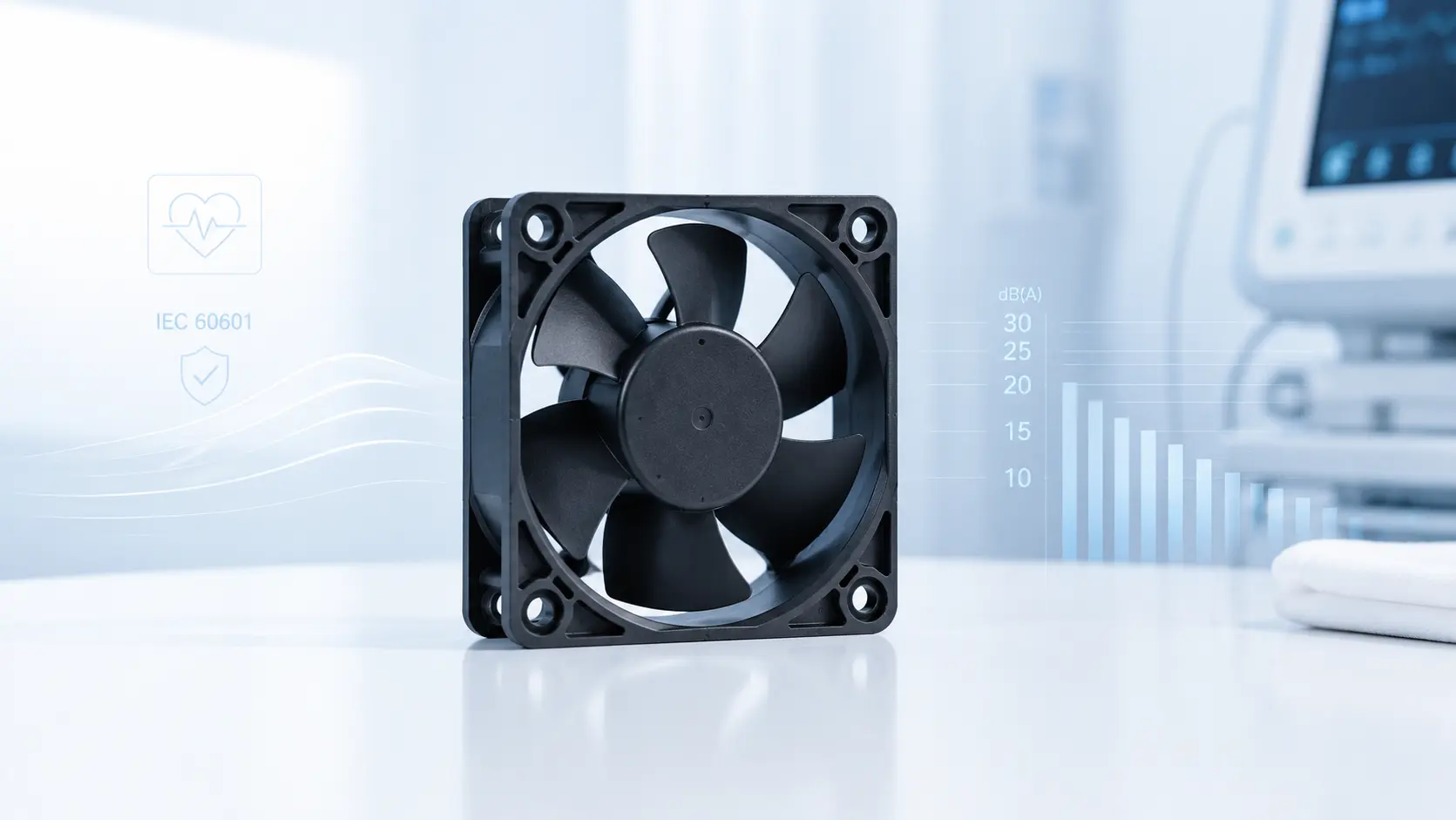
How medical fans meet acoustic and thermal targets through low-noise customization, sample testing and reliable production support.
Read Article →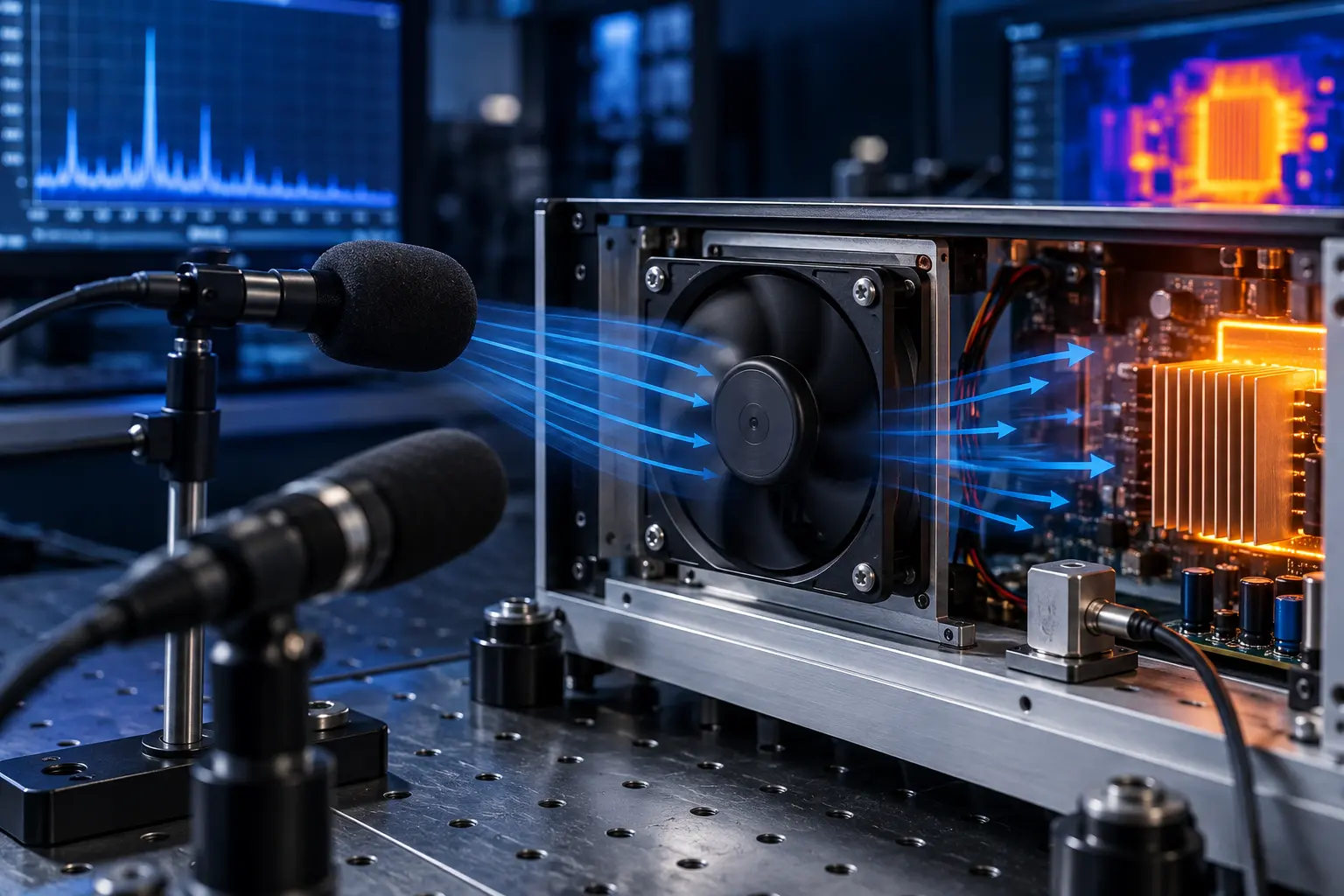
Understand why installed fan noise differs from catalogue values, then test dB-A, frequency, vibration and thermal performance at the real operating point.
Read Guide →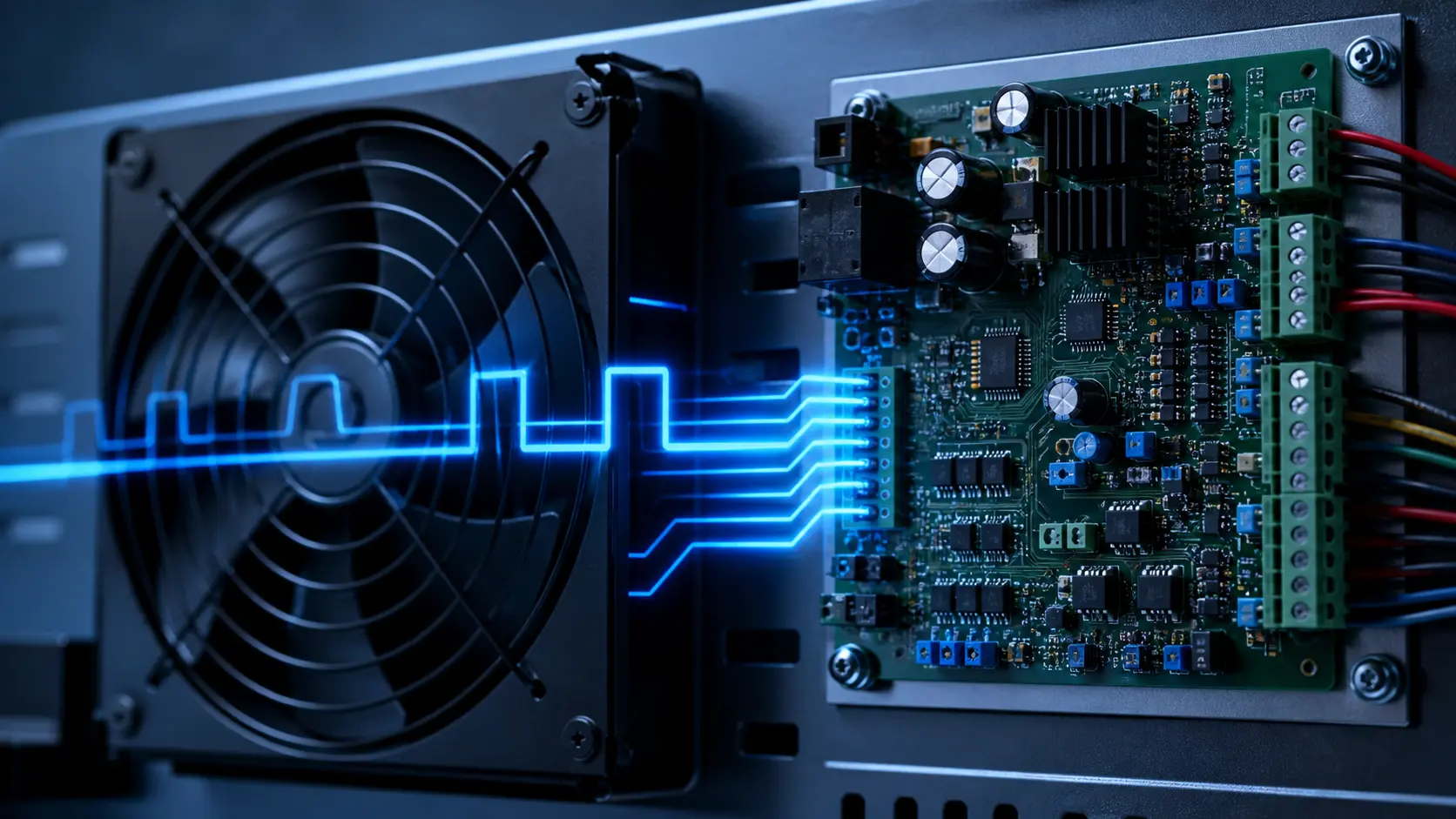
Learn how 4-wire PWM fan control, TACH feedback, startup behavior and closed-loop tuning affect airflow, noise and reliability in real products.
Read Guide →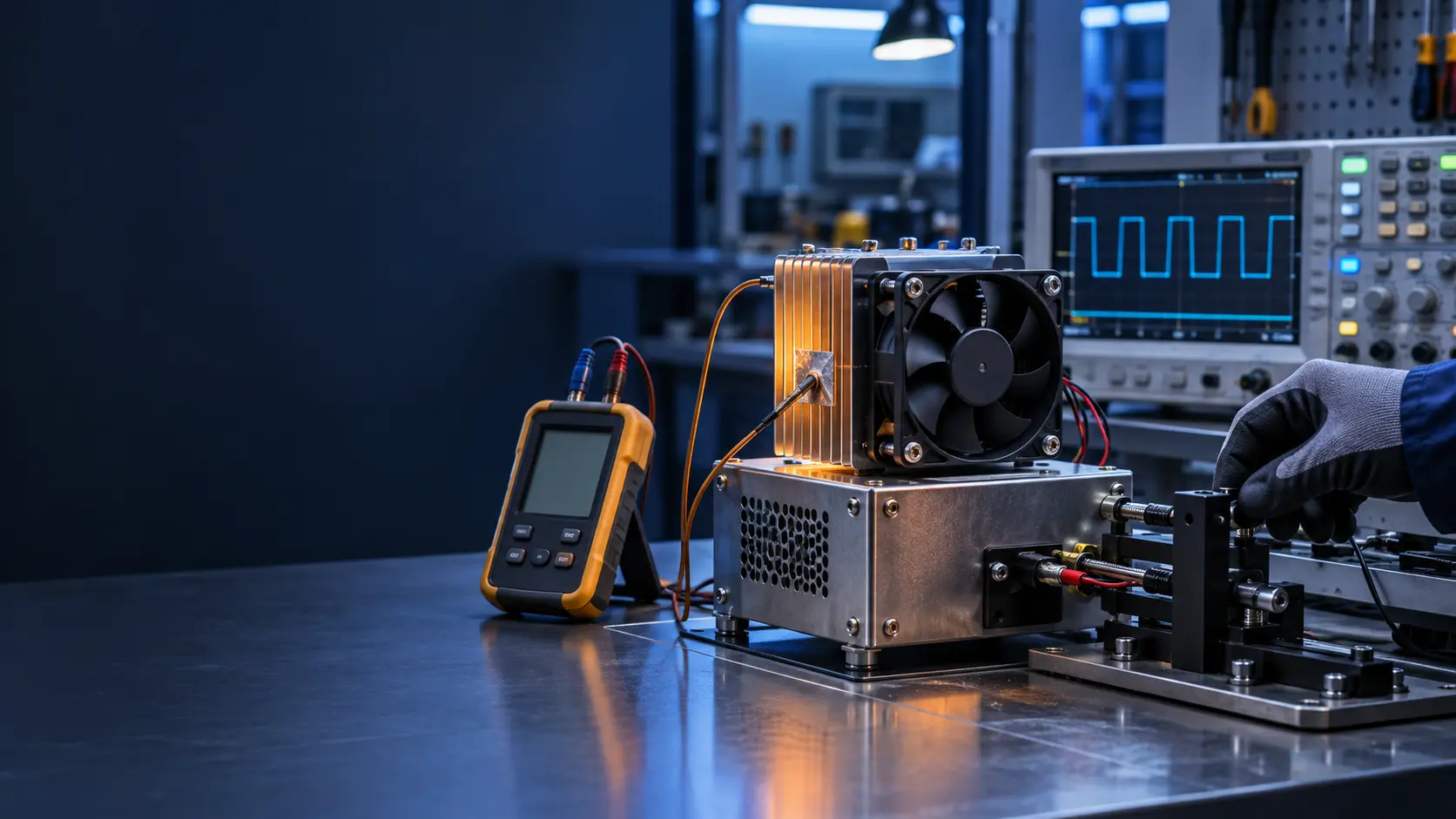
Use tachometer, locked-rotor, pressure and temperature evidence together to validate a cooling fan fault strategy in the real enclosure.
Read Guide →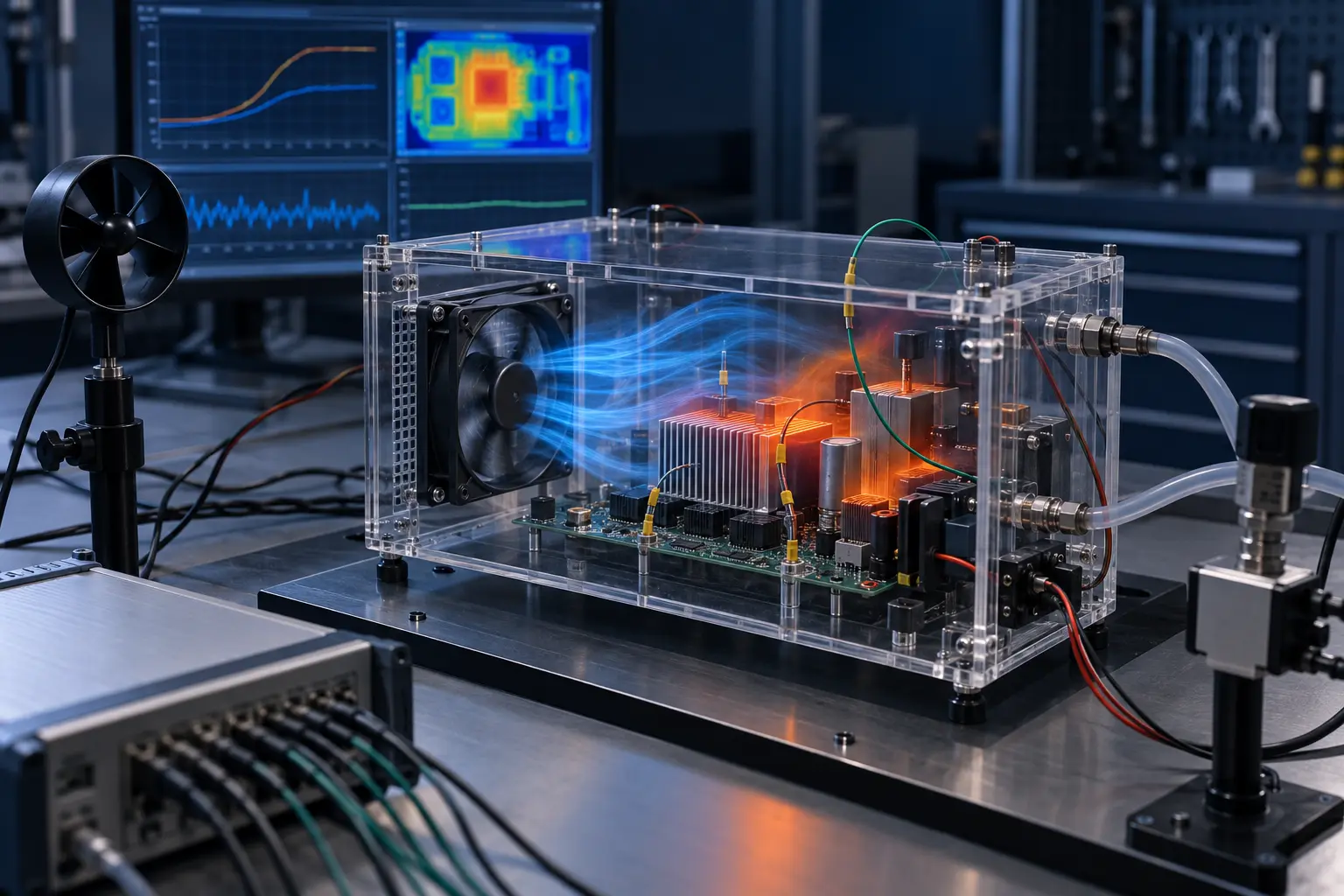
Build a practical fan validation matrix around the real enclosure, operating point, temperature, noise, control interface and worst-case duty before production approval.
Read Guide →Target airflow and static pressure at that airflow, available space, voltage tolerance, control signal, connector, noise limit, quantity and the temperature or ingress conditions. If you have a current fan, send its label and the system context rather than relying on frame size alone.
Start fan selection →