High Heat Density
Up to 50 kW per rack and rising.
 TECHCooling Solutions
Application cooling
High-performance cooling for the infrastructure that powers AI.
AI workloads generate extreme heat density. We provide proven cooling solutions to keep your systems reliable, efficient and performing at their best.
Up to 50 kW per rack and rising.
Tight clearance, compact design required.
Lower PUE, higher system efficiency.
24/7 operation, zero downtime.
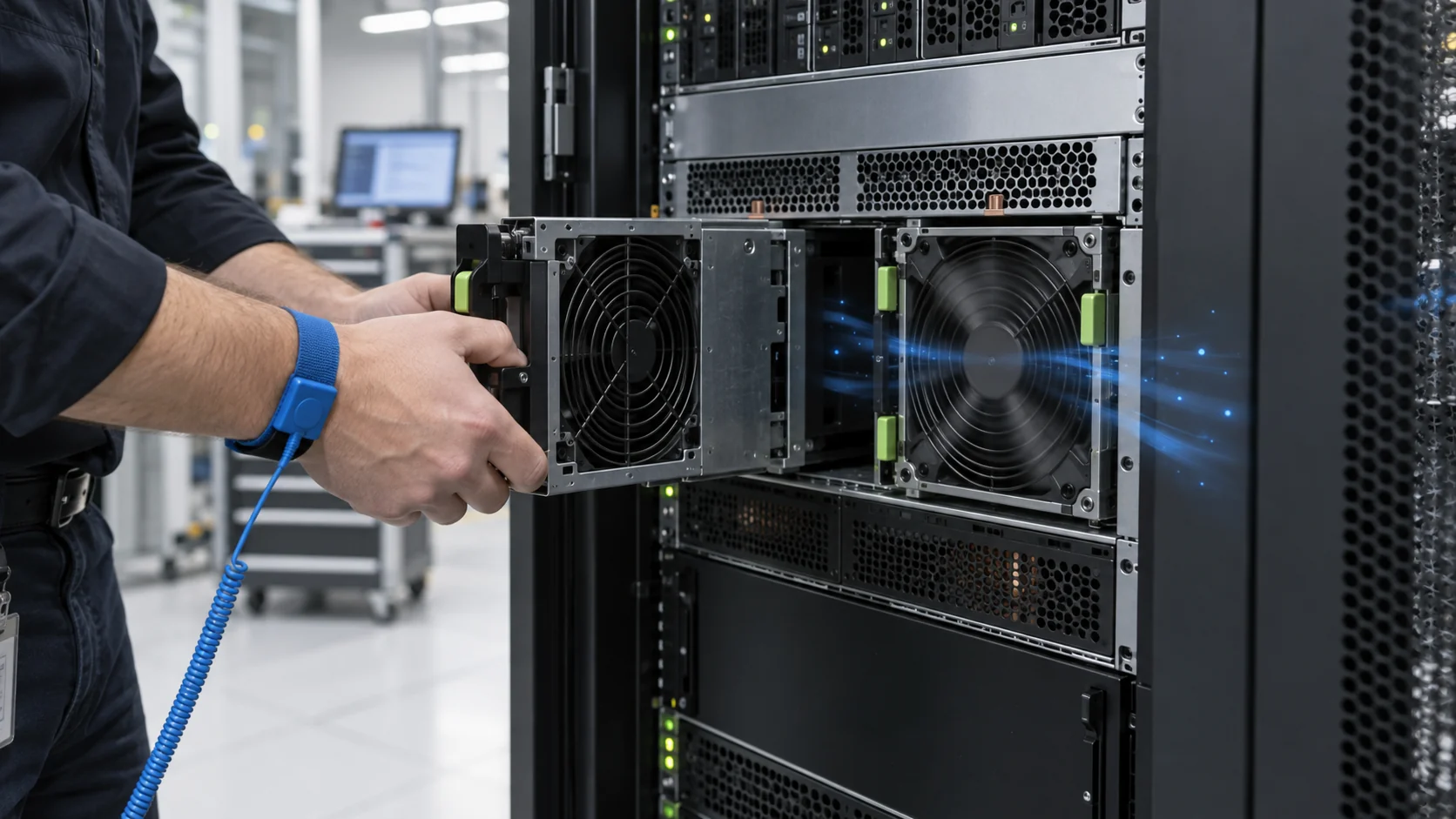
A practical validation method for AI server fan hot-swap events: airflow interruption, reverse leakage, control transients, rack pressure, acoustic recovery and the real thermal window for service.
Read Article →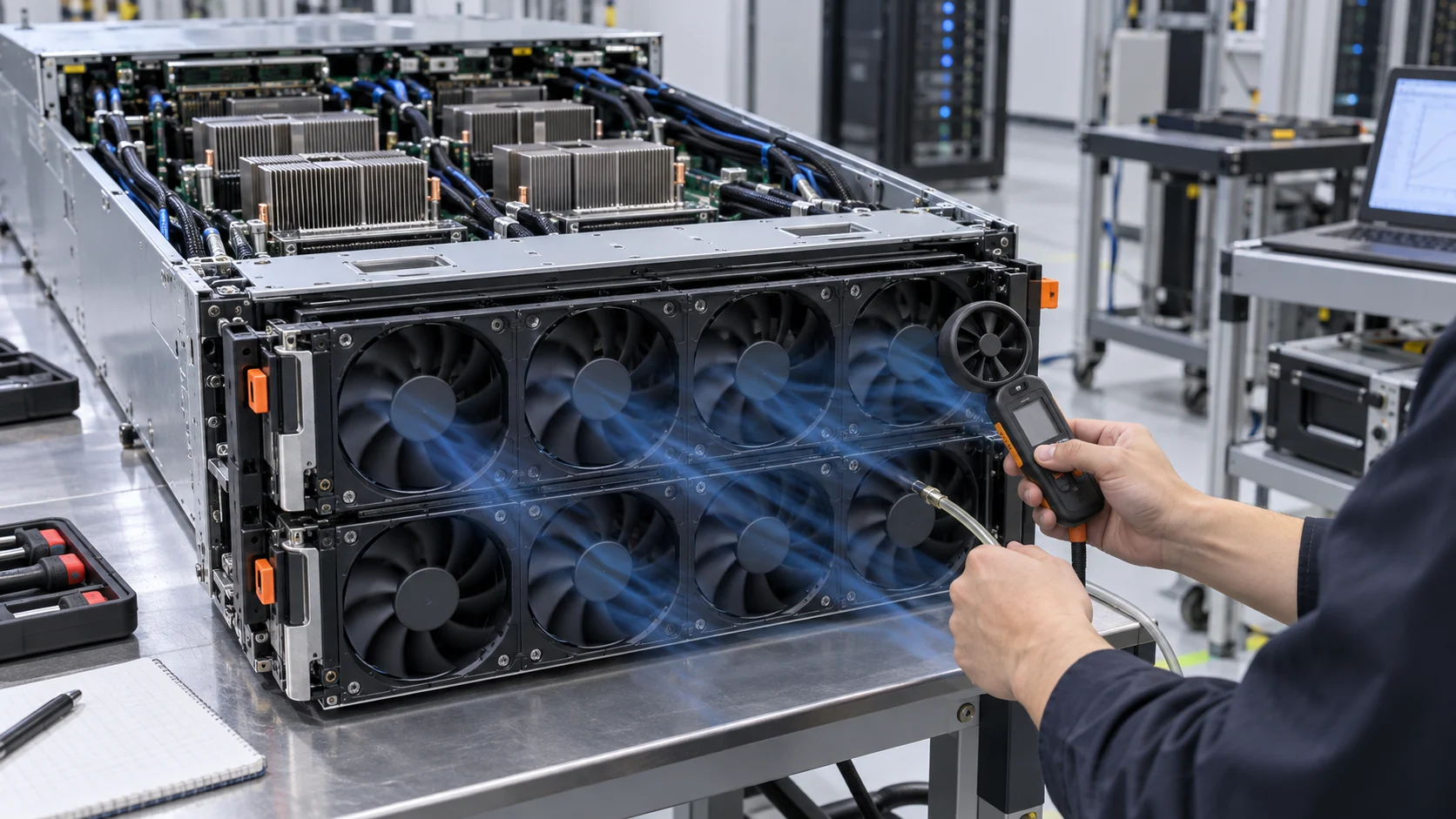
How thermal engineers can measure fan-to-fan mismatch, local pressure loss and heat-sink flow distribution in an AI server fan tray before approving a custom cooling-fan design.
Read Article →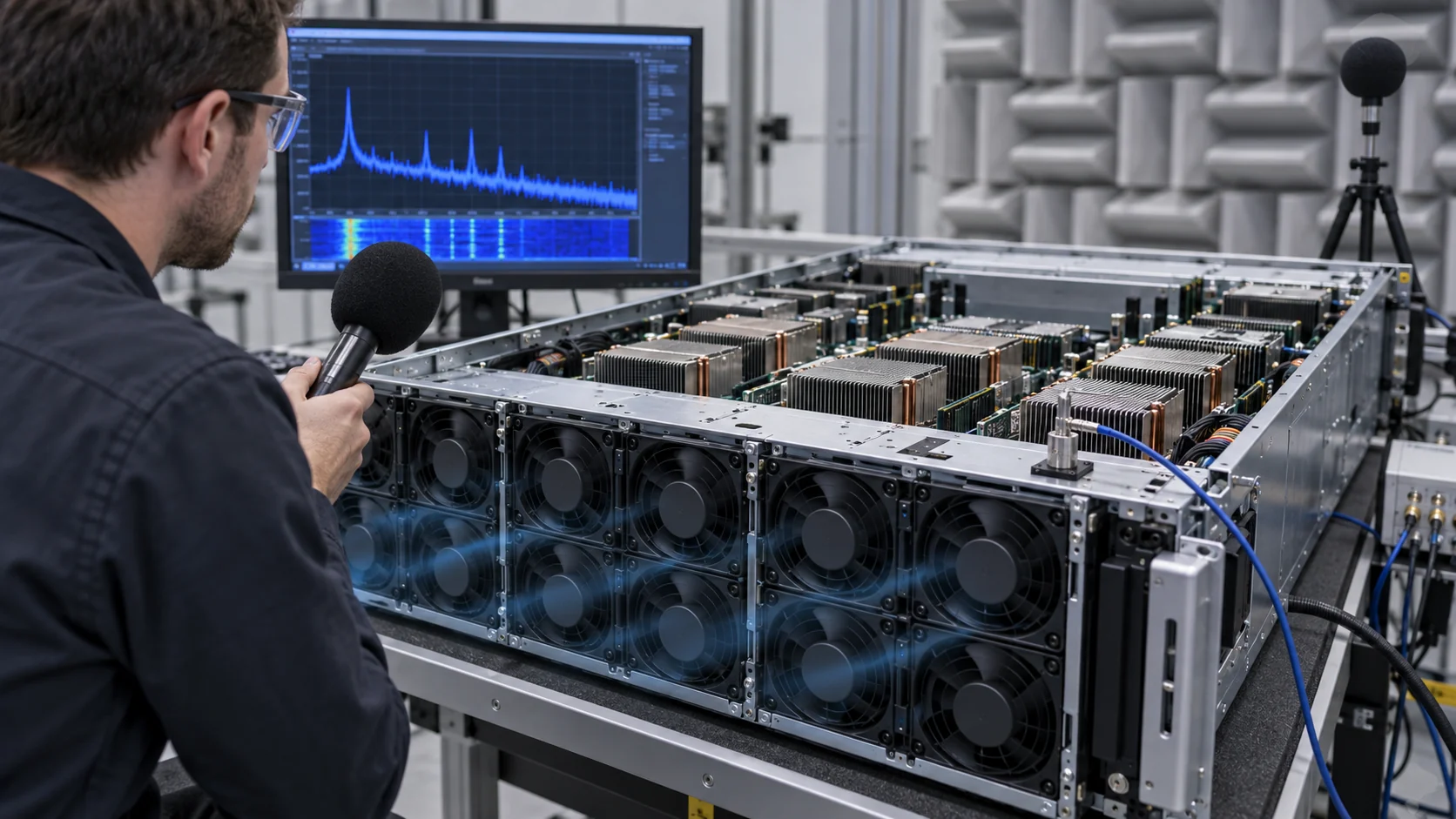
A practical acoustic guide for AI server fan trays: connect blade-pass frequency to RPM, inlet distortion, PWM ramps, tray resonance, vibration and the installed working point.
Read Article →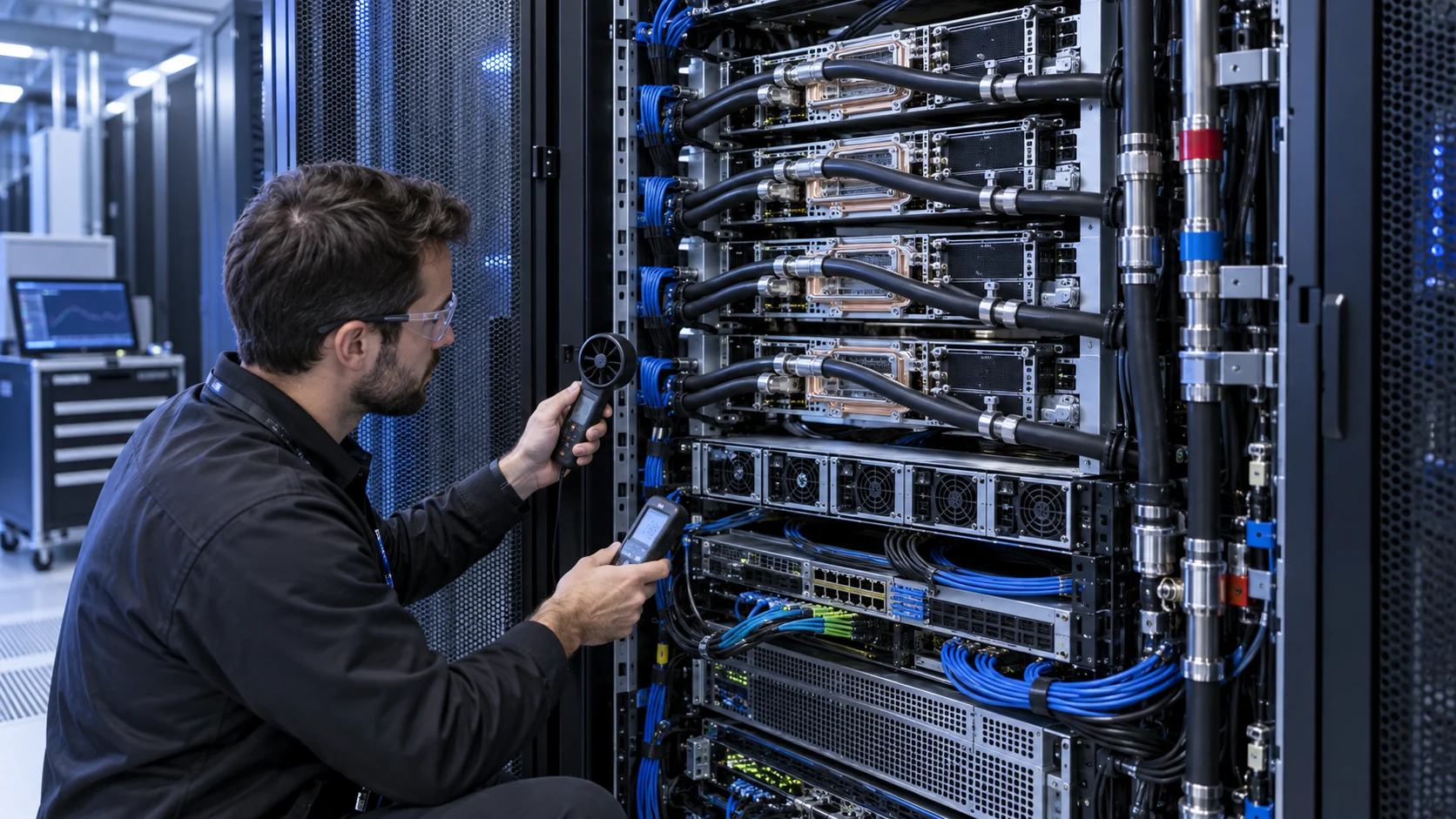
A practical engineering guide to auxiliary air cooling in liquid-cooled AI racks, covering power shelves, memory, networking, CDU heat rejection, bypass flow, pressure and fan control.
Read Article →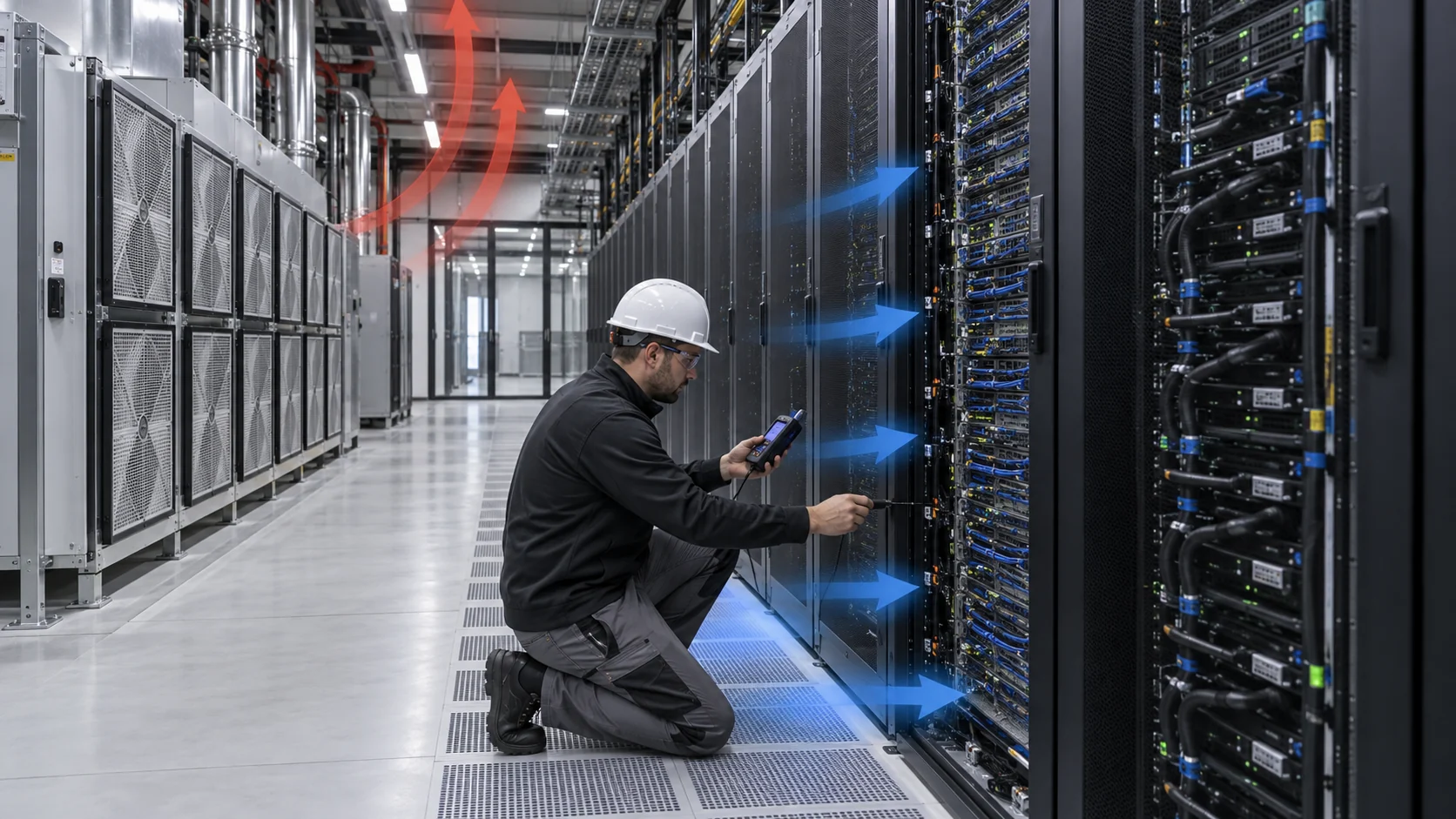
How AI data-center engineers can place rack-inlet sensors, tune fan-wall control and validate airflow, pressure, N+1 recovery and thermal stability under changing GPU load.
Read Article →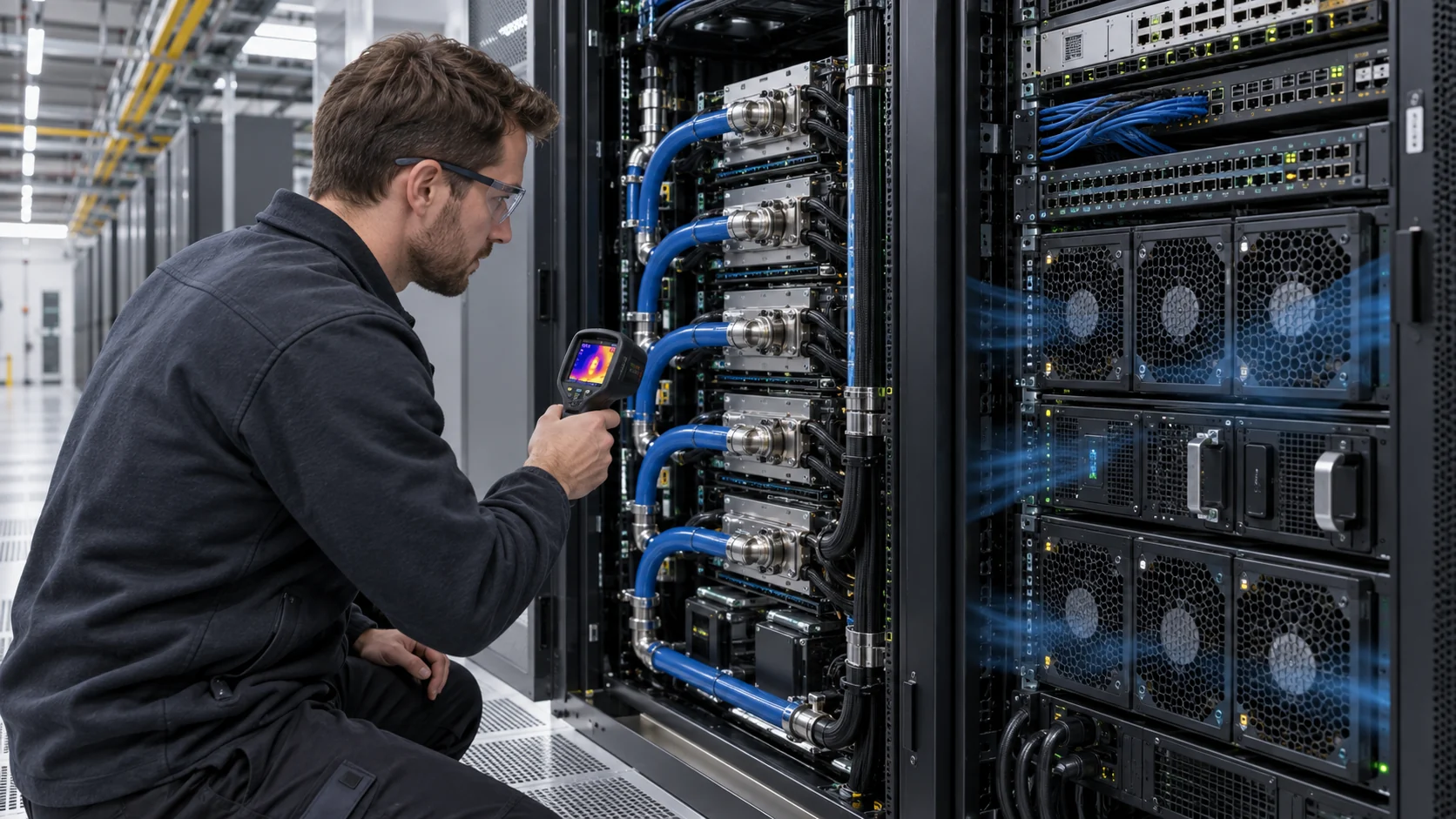
Why liquid-cooled AI racks still need carefully selected auxiliary air cooling for networking, memory, storage, power electronics and residual heat, with a practical fan validation method.
Read Article →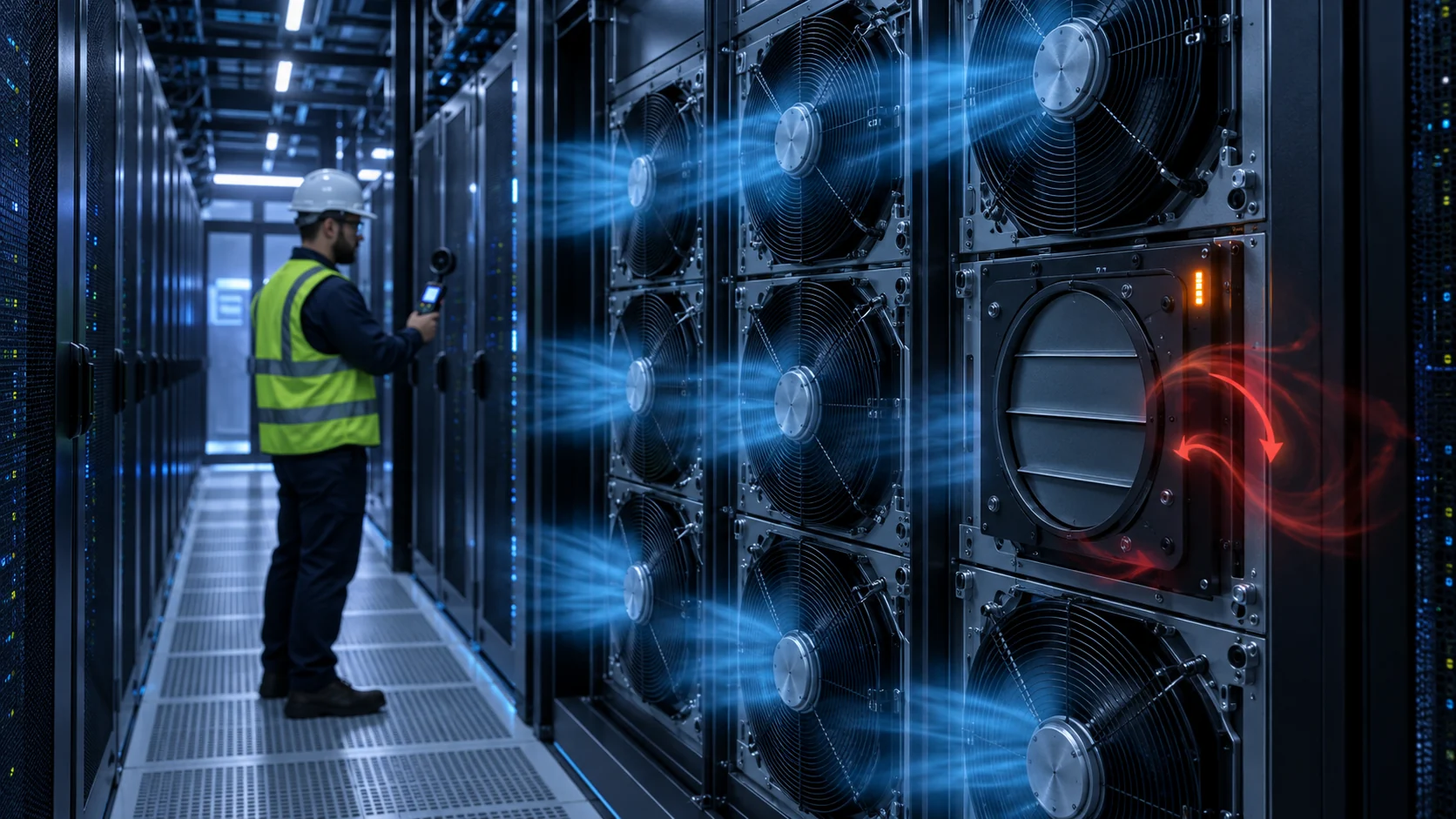
Why an AI data-center fan wall should be tested with one module failed: reverse airflow, backdraft control, operating-point shift, rack inlet temperature, blade-pass noise and practical N+1 evidence.
Read Article →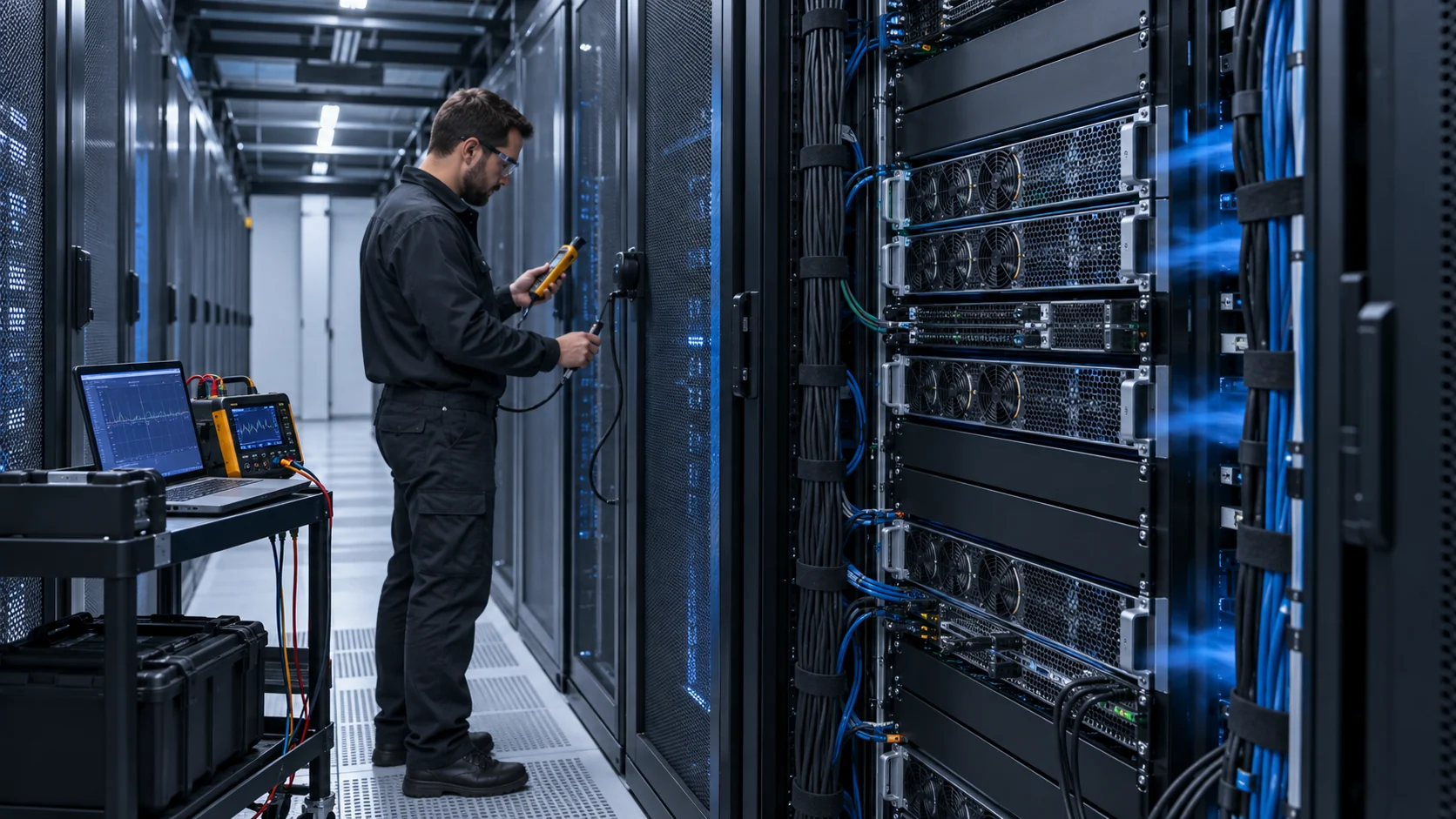
A practical AI data-center cooling guide to fan power, part-load control, rack pressure, airflow, acoustic limits and PUE trade-offs in air-cooled and hybrid systems.
Read Article →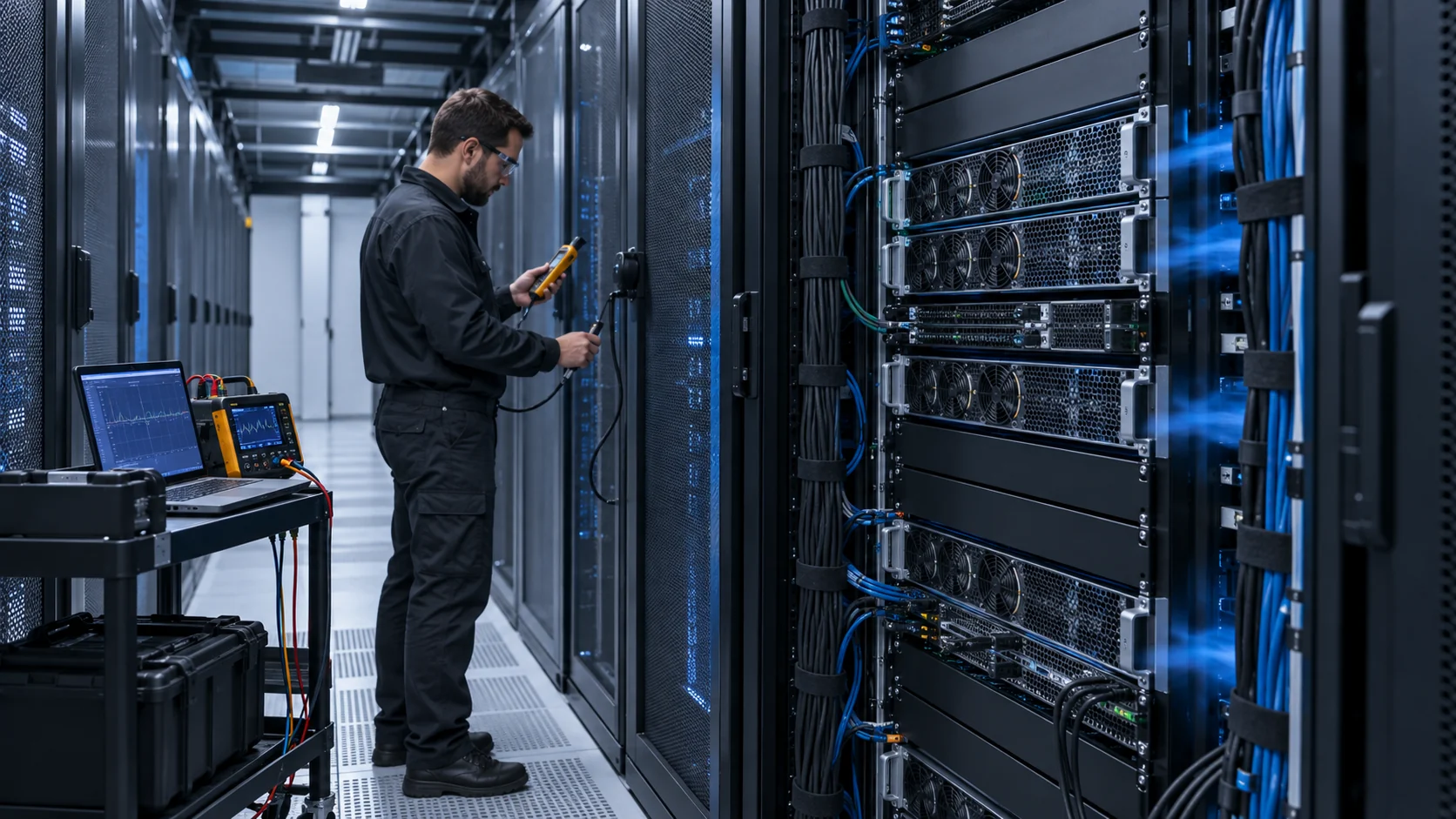
A practical guide to cold-aisle and hot-aisle containment for AI data centers: measure rack pressure, bypass leakage, recirculation, fan operating points and the farthest-rack thermal margin.
Read Article →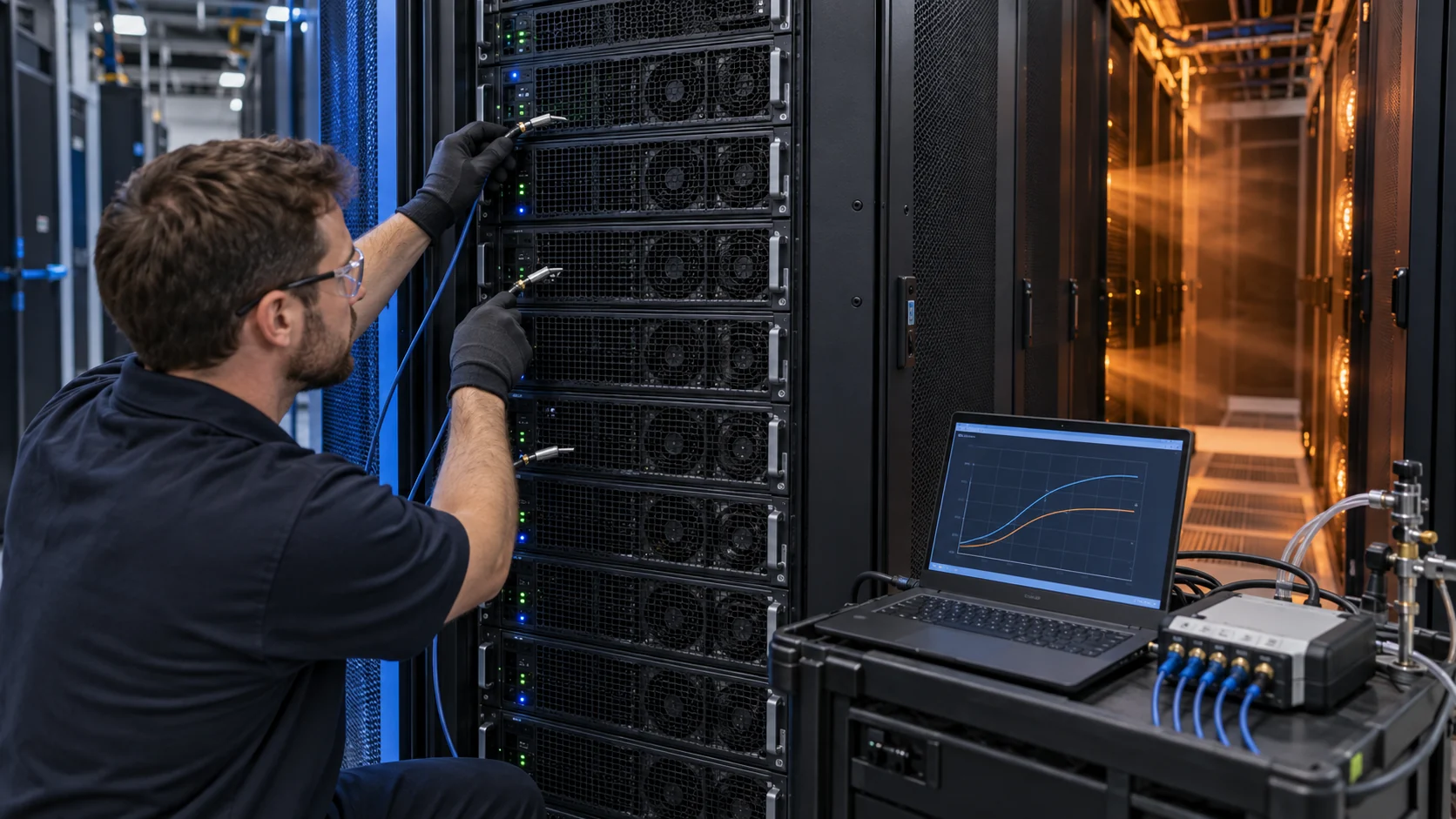
How rack-inlet sensors, hotspot feedback, workload steps and installed fan pressure should be combined before freezing an AI server fan curve.
Read Article →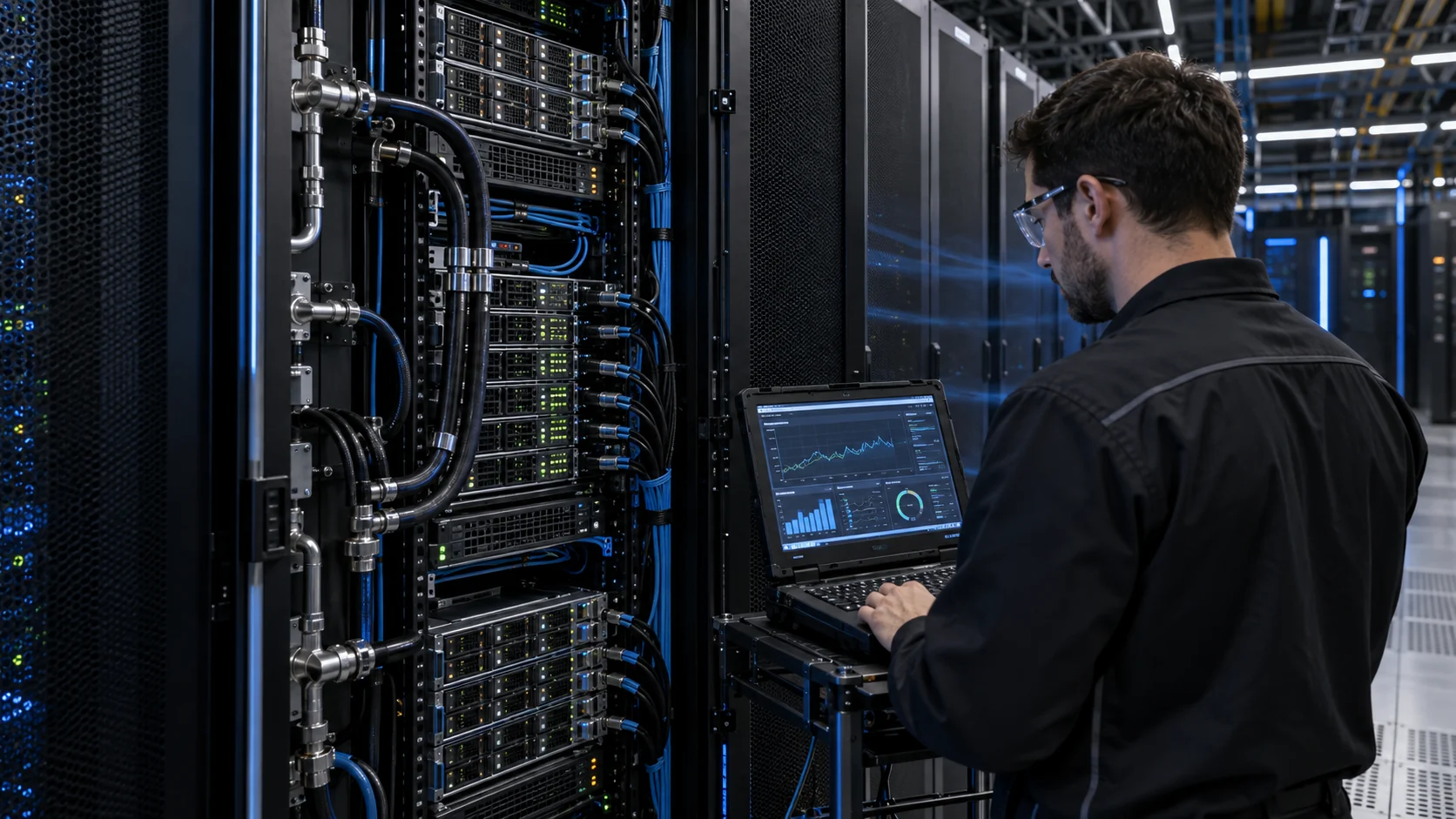
How to commission AI rack cooling by recording workload power steps, fan control, airflow, liquid flow and degraded operating states.
Read Article →
How AI server teams should diagnose fan-module faults, verify replacement behaviour and specify a reliable custom cooling-fan sample for 24/7 duty.
Read Article →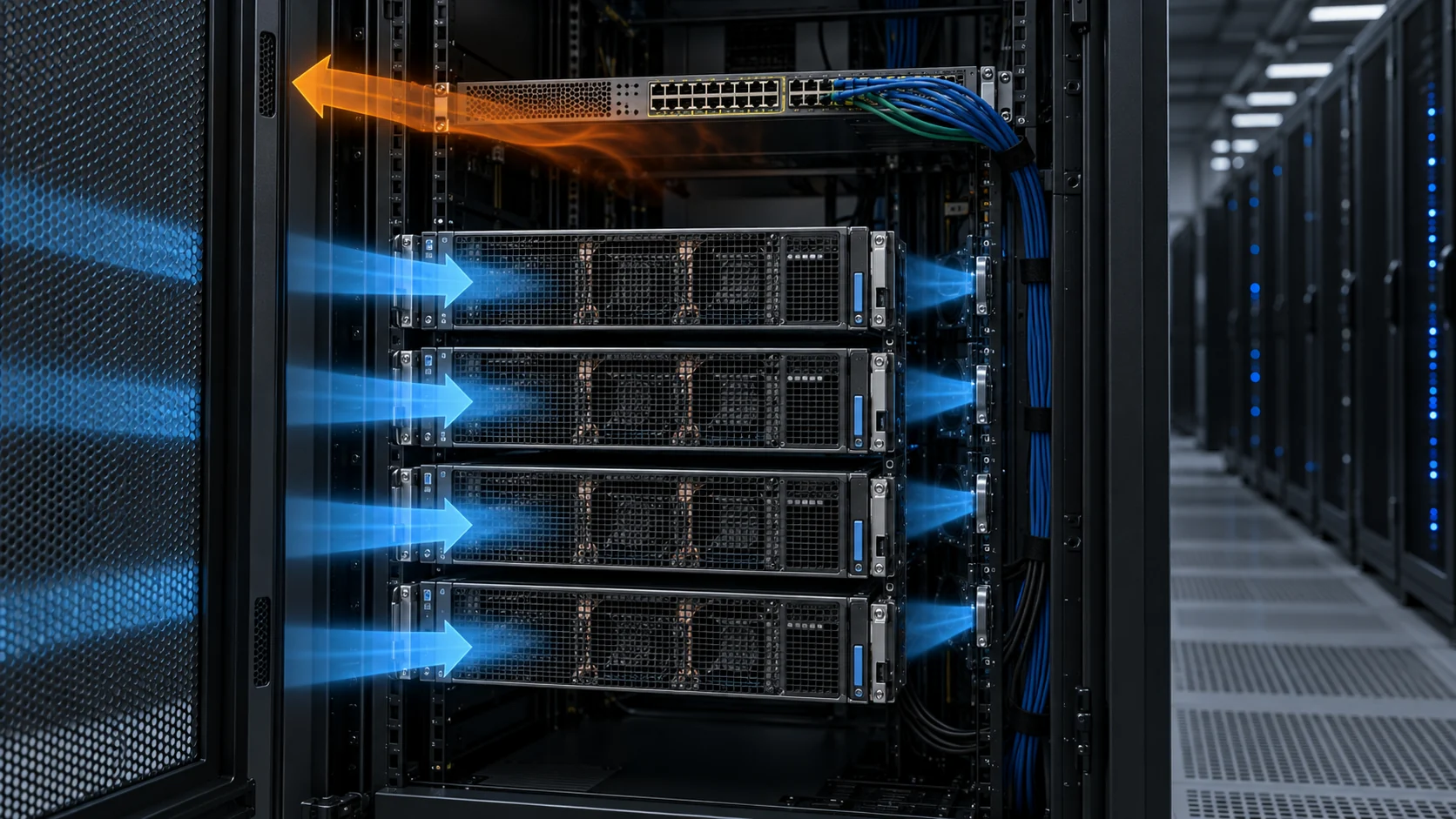
How to validate server, switch and PSU airflow direction in an AI rack before an orientation mismatch becomes a local thermal fault.
Read Article →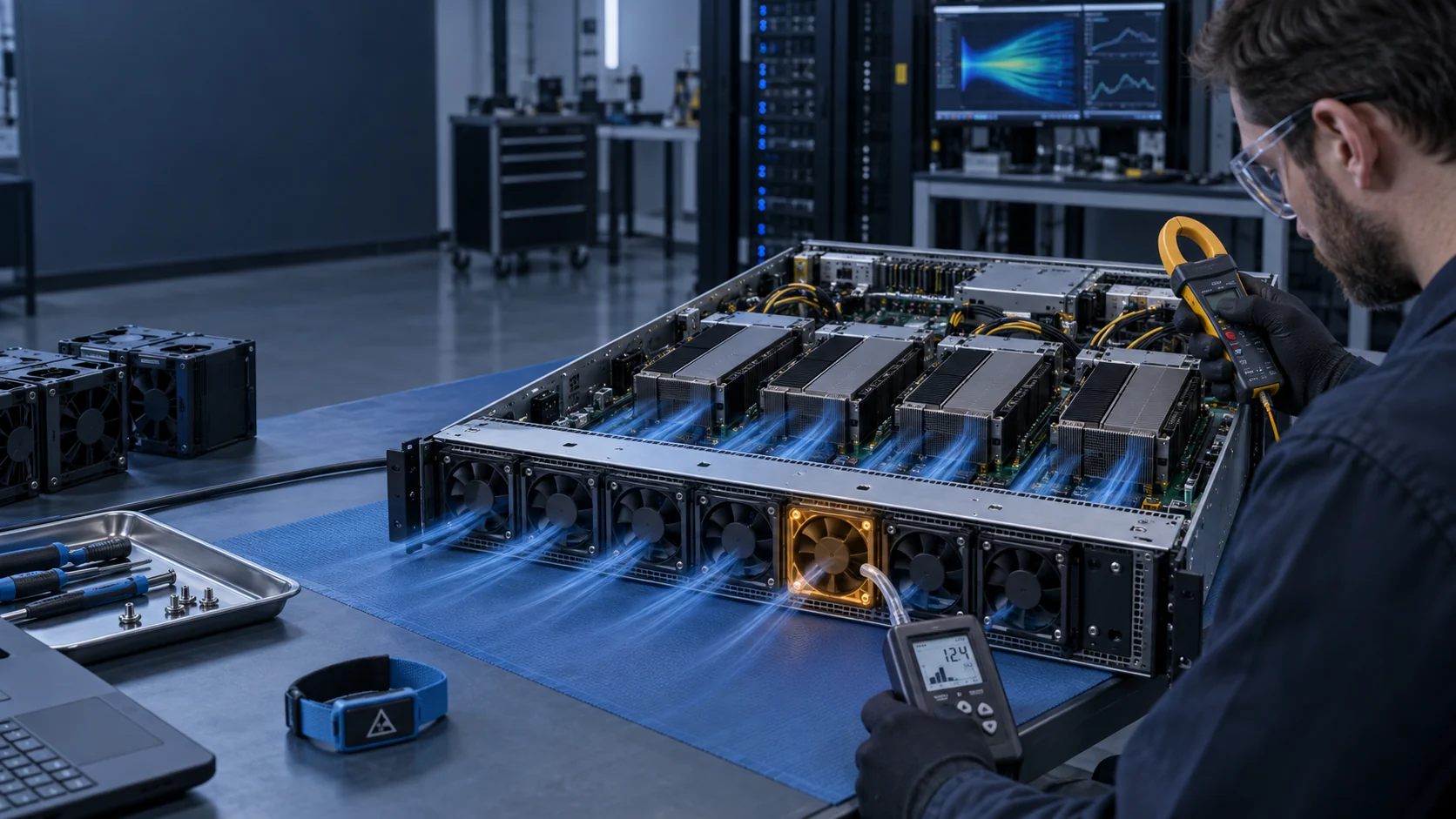
How to validate a GPU server fan tray under normal, fan-failure and replacement states by measuring the installed working point, thermal map and control response.
Read Article →Compare 48 V DC cooling fans on the whole electrical and thermal picture: distribution voltage range, harness loss, interfaces, safety class and installed operating point.
Read Article →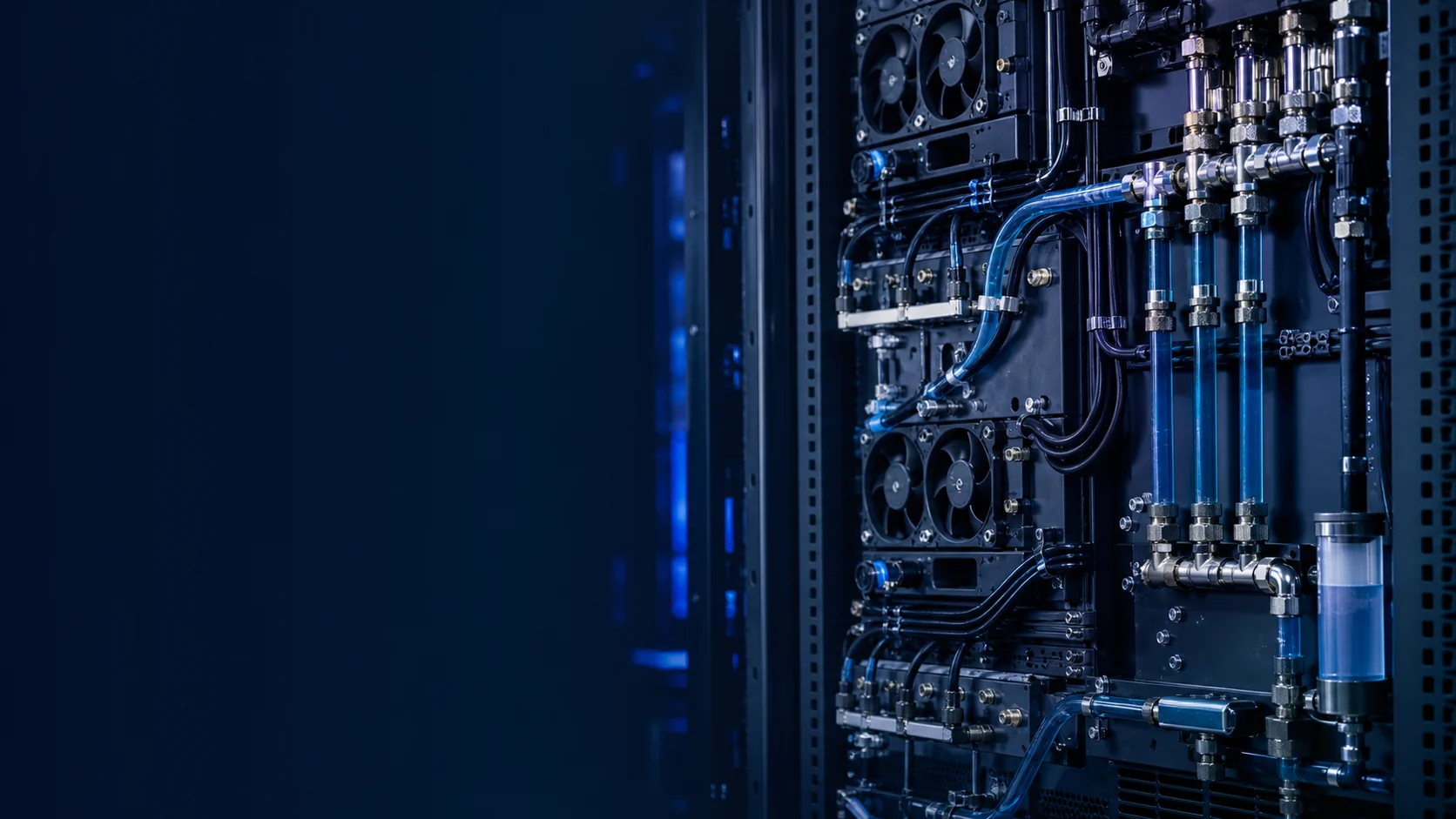
How direct-to-chip liquid and air cooling share the load, and how a customized air-side fan moves from hybrid-rack testing to production.
Read Article →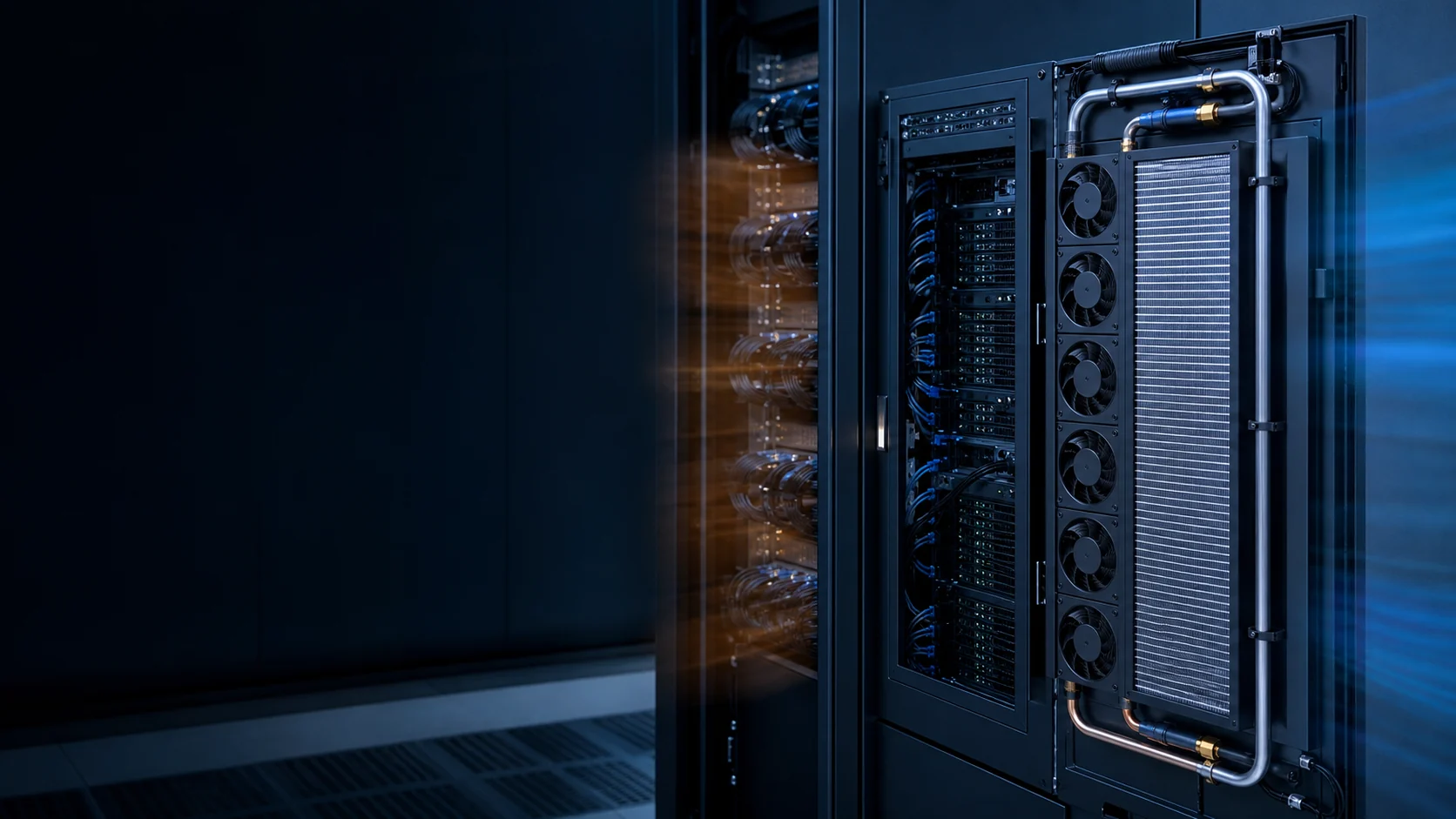
How to compare passive and active rear-door heat exchangers by coil pressure drop, server-fan headroom, water conditions, controls and commissioning evidence.
Read Article →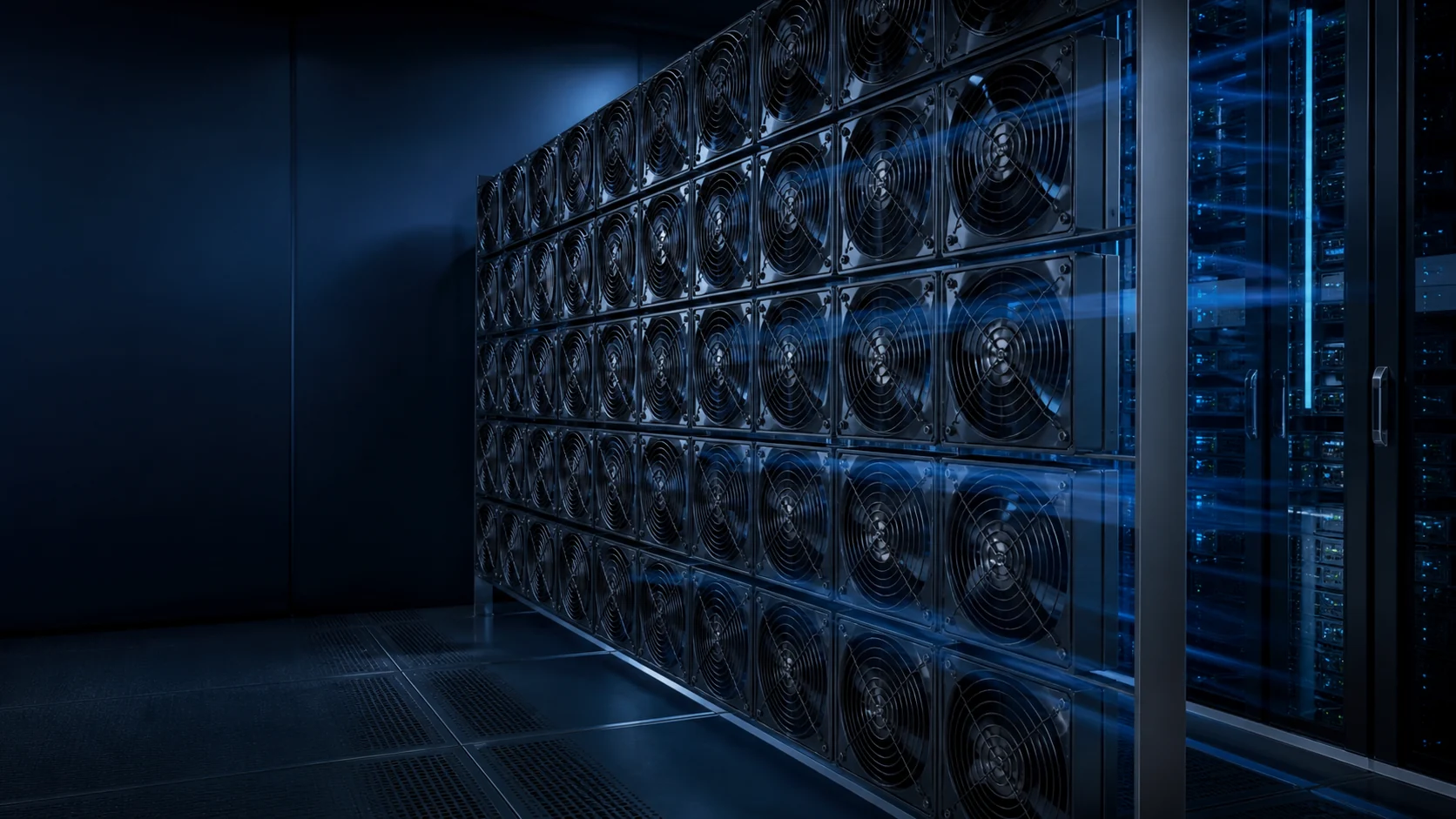
How to validate fan-wall N+1 performance with actual pressure, isolation dampers, loaded filters, controls and one-module-out commissioning tests.
Read Article →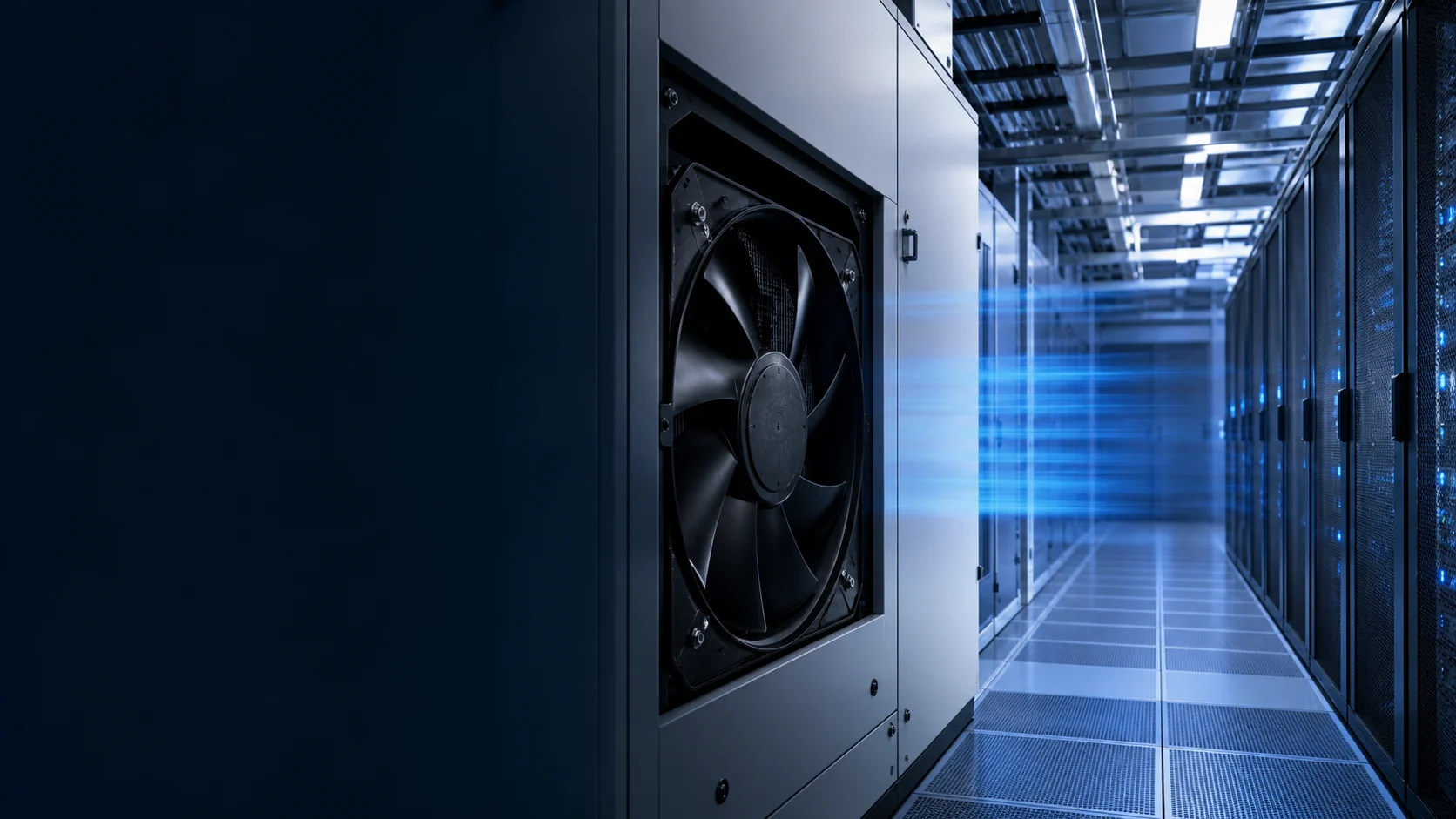
Where EC fans belong at the facility level, how they differ from compact DC fans, and how a server fan requirement becomes a tested custom sample.
Read Article →How to select compact DC fans for AI and GPU servers from heat load, system pressure, redundancy and the chassis airflow path, then validate a production-ready sample.
Read Article →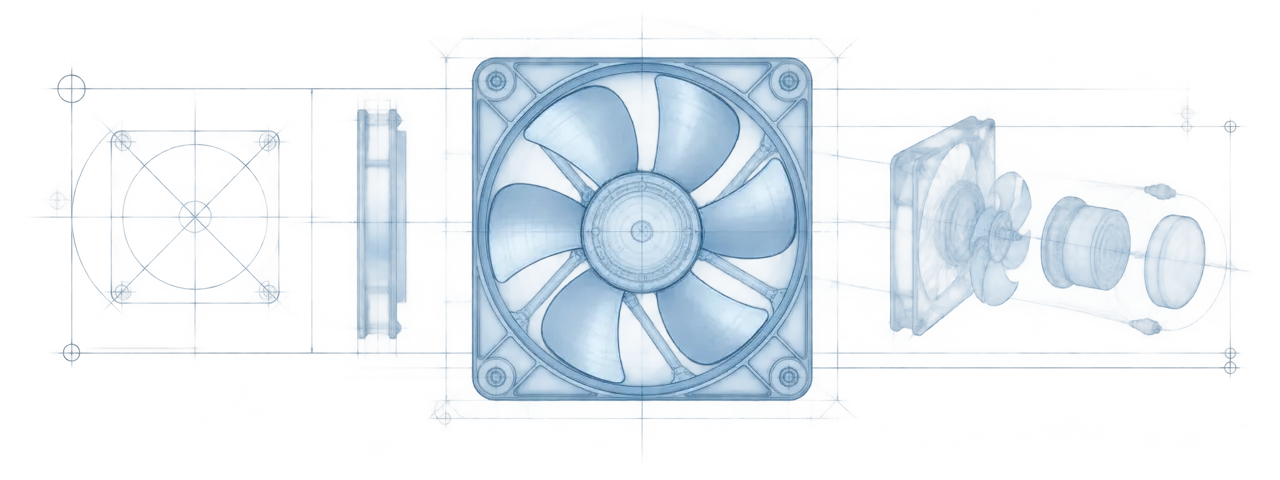
A practical method to find bypass and recirculation in high-density racks, measure the real inlet condition and validate airflow after cables, filters and service changes.
Read Guide →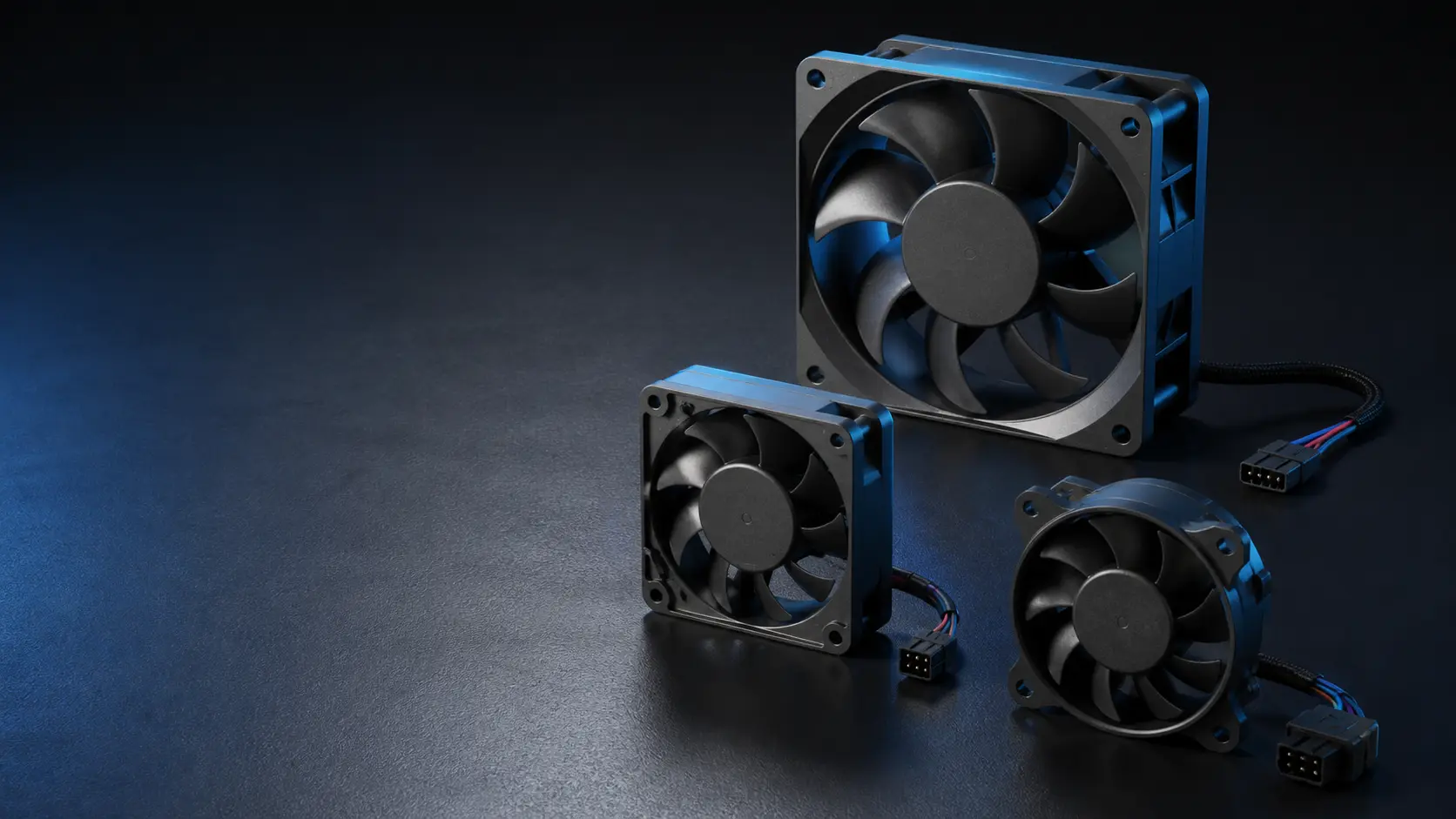
Compare EC, AC and low-voltage DC fans by cooling layer, airflow, pressure, control, power and service needs, then validate the selected fan in the product.
Read Guide →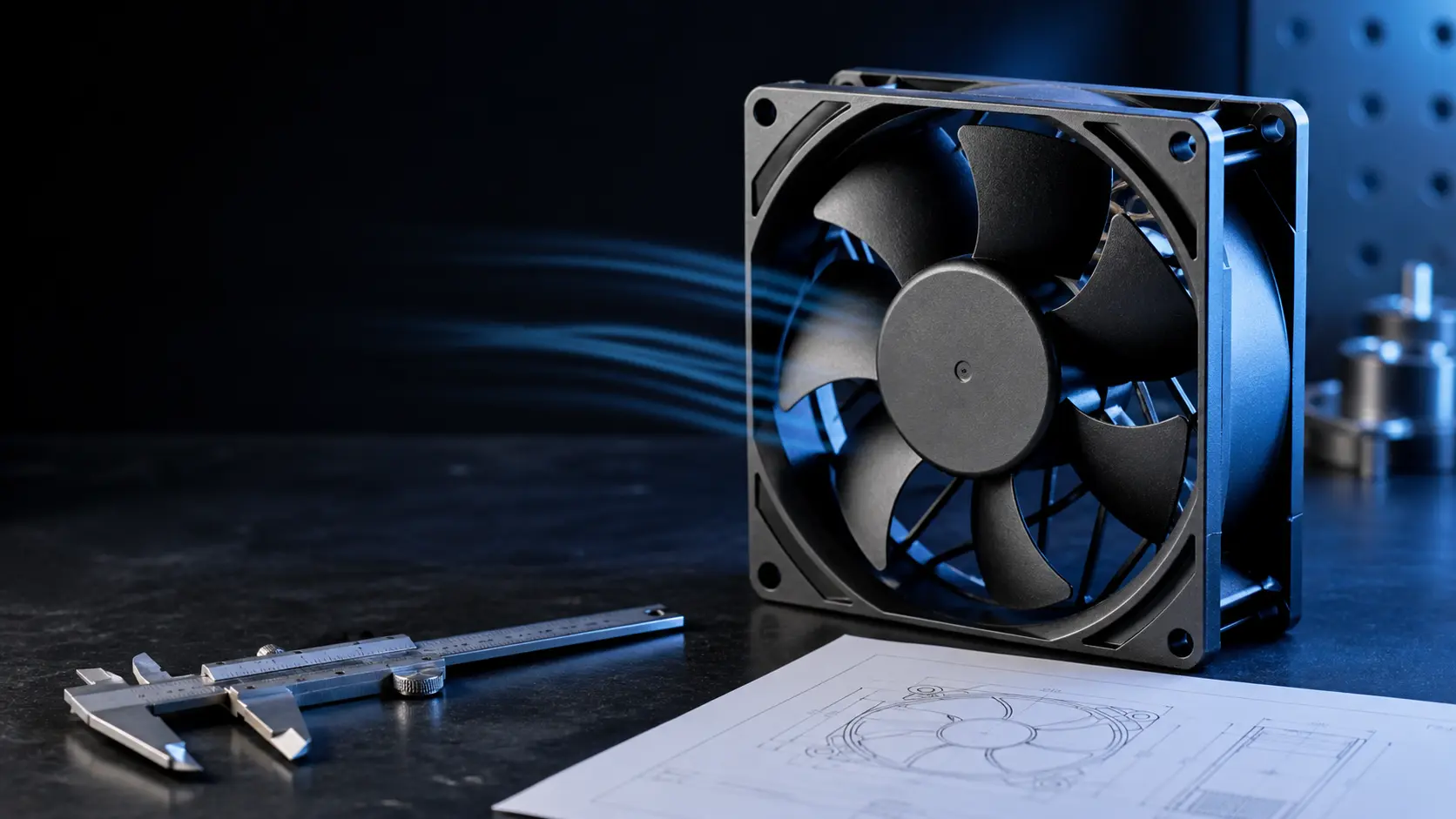
Select AI server fans from heat load, airflow path, system pressure, noise, redundancy and control, then validate a customized sample before production.
Read Guide →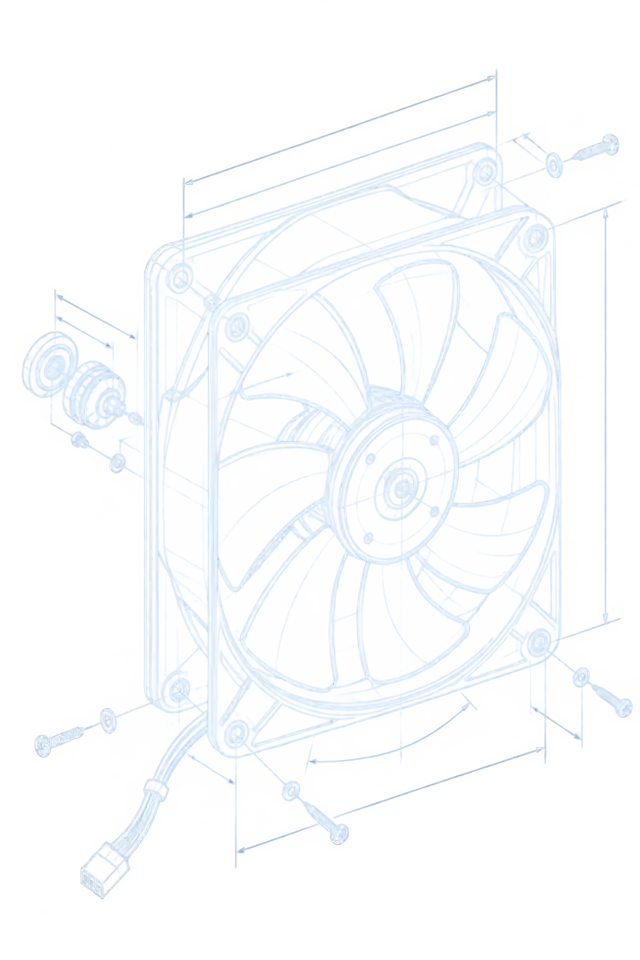
Build an air-cooled AI server thermal architecture around heat maps, pressure budgets, fan control, fault states and measured performance.
Read Guide →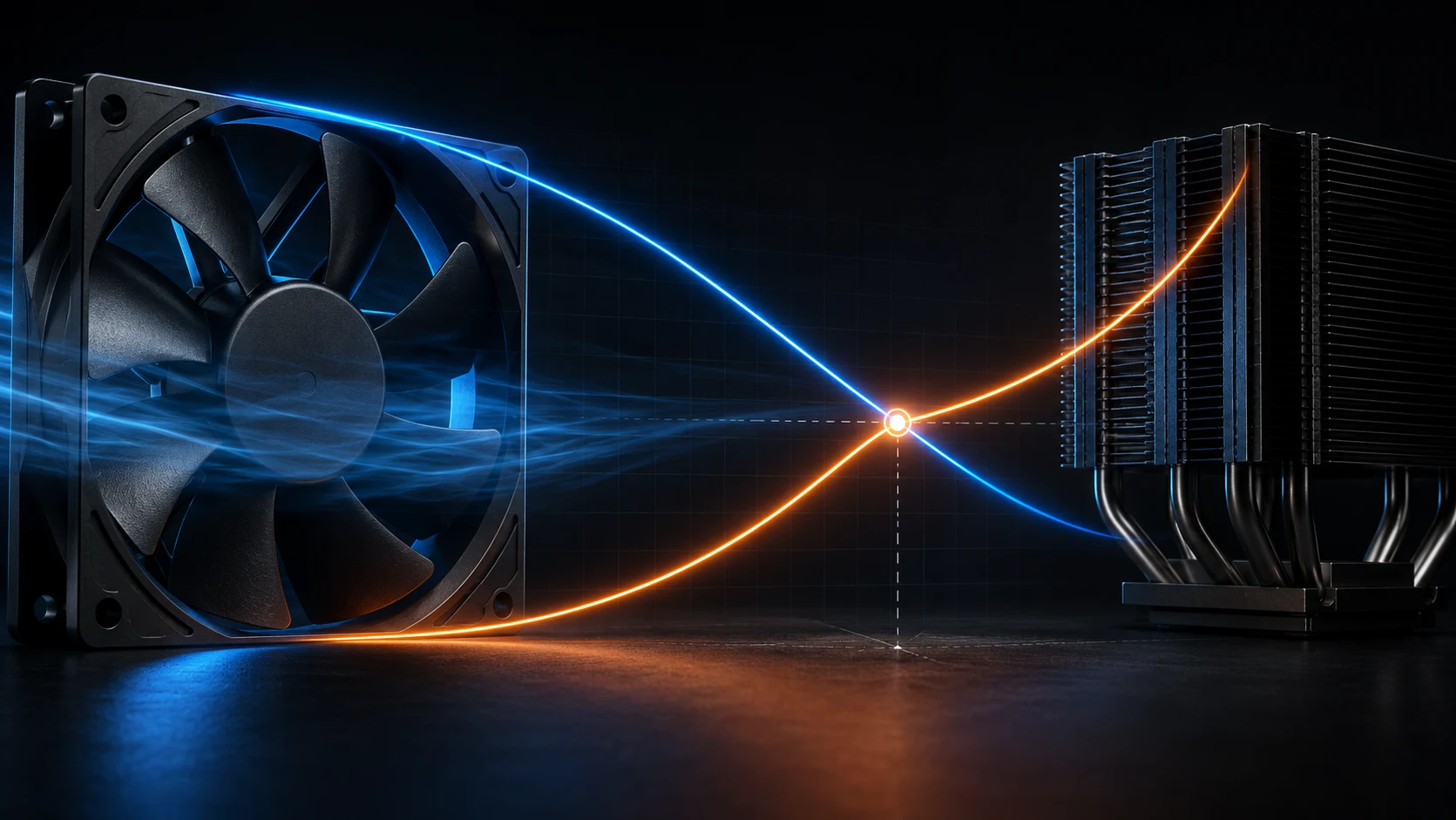
Learn how to read a fan P-Q curve, build a system resistance curve and find the operating point where airflow and pressure are real inside your product.
Read Guide →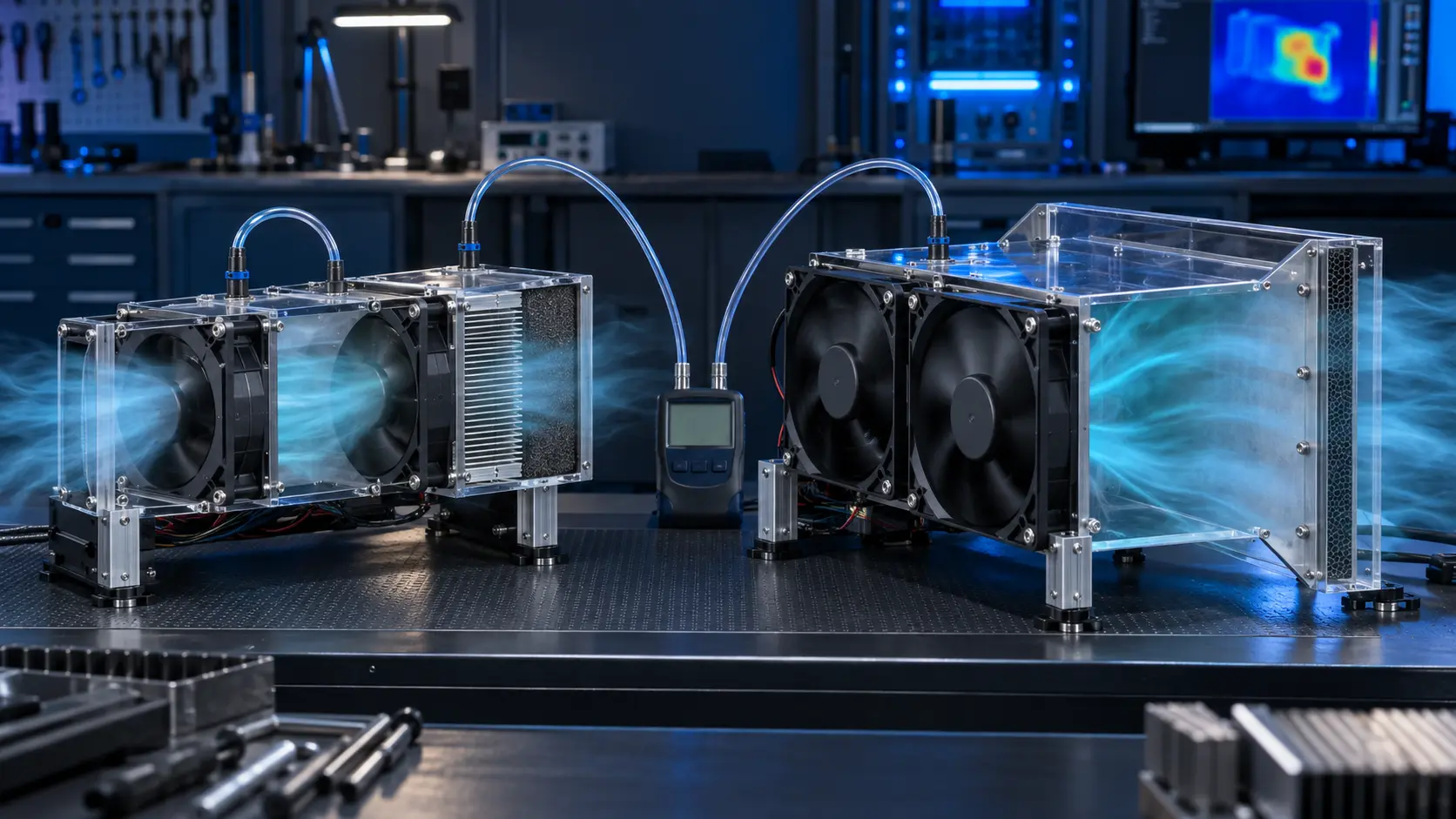
Choose series or parallel cooling fans from the real system curve, then validate interaction, failure behaviour and installed airflow before approving the design.
Read Guide →Target airflow and static pressure at that airflow, available space, voltage tolerance, control signal, connector, noise limit, quantity and the temperature or ingress conditions. If you have a current fan, send its label and the system context rather than relying on frame size alone.
Start fan selection →For fan and air-path design reviews, see our focused guides on custom fan selection for fan walls and rear-door heat exchangers.
MEGA Tech catalogue reference
Our current catalogue contains 107 fan series and 1,184 listed variants. Use the catalogue voltage, current, input-power, airflow and static-pressure fields as a first selection reference, then confirm the final fan in the customer air path with a sample.
Scope: MEGA Tech develops and manufactures the fan. Complete cabinets, coils and liquid loops remain the system integrator responsibility.